Pollinator planting recipe · 10 species

Flowering food forest edge

Ten species for a generous orchard or food forest edge, from spring blossom to flowering herbs and mature autumn ivy.

Sunny edge + partial shade · moist, draining soilTemperate Europe · larger gardens and orchard edges
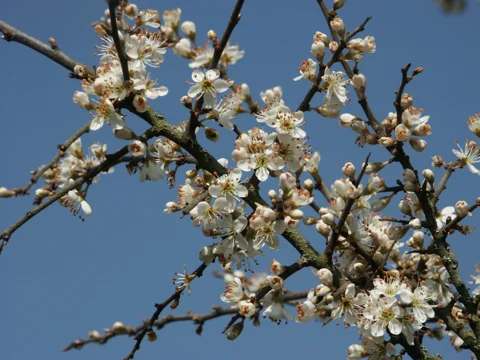
Flowers of Prunus spinosa.
BerndH · Wikimedia Commons · CC BY-SA 3.0
Why these plants

Build a sequence of flowers

Different layers contribute at different times. Woody blossom and lungwort open the sequence; the sunny herb strip bridges towards summer. Mature flowering ivy provides a distinct autumn component.

The plant choices draw on published guidance. The combination and layout are design suggestions, not a trialled plant community or a guarantee of pollinator numbers. [1] [2] [3]

Follow the season

Flowering overlap

These are the original catalogue months, shown as a planning guide. Sources may use broader seasons or different regional dates. Weather, plant age and management affect actual flowering.

Swipe the calendar to see all months

Indicative catalogue flowering periods · 10 species
PlantJanFebMarAprMayJunJulAugSepOctNovDec
1 Prunus spinosa January: no flowering recordedFebruary: recorded floweringMarch: recorded floweringApril: recorded floweringMay: recorded floweringJune: no flowering recordedJuly: no flowering recordedAugust: no flowering recordedSeptember: no flowering recordedOctober: no flowering recordedNovember: no flowering recordedDecember: no flowering recorded
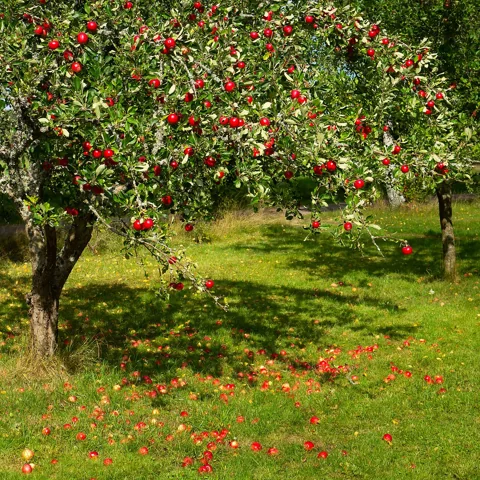
2 Malus domestica January: no flowering recordedFebruary: no flowering recordedMarch: no flowering recordedApril: recorded floweringMay: recorded floweringJune: no flowering recordedJuly: no flowering recordedAugust: no flowering recordedSeptember: no flowering recordedOctober: no flowering recordedNovember: no flowering recordedDecember: no flowering recorded
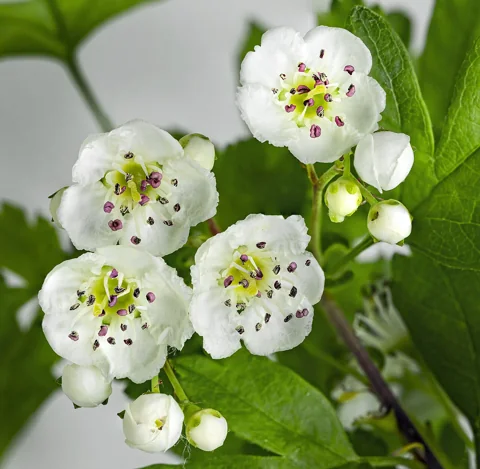
3 Crataegus monogyna January: no flowering recordedFebruary: no flowering recordedMarch: no flowering recordedApril: no flowering recordedMay: recorded floweringJune: recorded floweringJuly: no flowering recordedAugust: no flowering recordedSeptember: no flowering recordedOctober: no flowering recordedNovember: no flowering recordedDecember: no flowering recorded
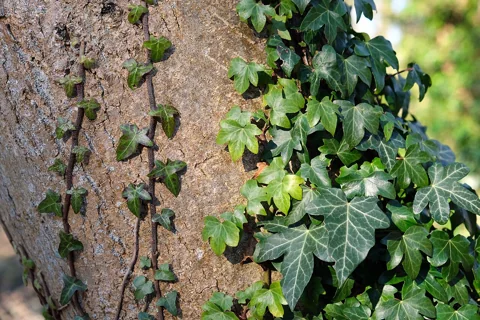
4 Hedera helix January: no flowering recordedFebruary: no flowering recordedMarch: no flowering recordedApril: no flowering recordedMay: no flowering recordedJune: no flowering recordedJuly: no flowering recordedAugust: no flowering recordedSeptember: recorded floweringOctober: recorded floweringNovember: recorded floweringDecember: no flowering recorded
5 Ribes nigrum January: no flowering recordedFebruary: no flowering recordedMarch: no flowering recordedApril: recorded floweringMay: recorded floweringJune: no flowering recordedJuly: no flowering recordedAugust: no flowering recordedSeptember: no flowering recordedOctober: no flowering recordedNovember: no flowering recordedDecember: no flowering recorded
6 Rubus idaeus January: no flowering recordedFebruary: no flowering recordedMarch: no flowering recordedApril: no flowering recordedMay: recorded floweringJune: recorded floweringJuly: recorded floweringAugust: recorded floweringSeptember: recorded floweringOctober: recorded floweringNovember: no flowering recordedDecember: no flowering recorded
7 Pulmonaria officinalis January: no flowering recordedFebruary: no flowering recordedMarch: recorded floweringApril: recorded floweringMay: recorded floweringJune: no flowering recordedJuly: no flowering recordedAugust: no flowering recordedSeptember: no flowering recordedOctober: no flowering recordedNovember: no flowering recordedDecember: no flowering recorded
8 Symphytum officinale January: no flowering recordedFebruary: no flowering recordedMarch: no flowering recordedApril: recorded floweringMay: recorded floweringJune: recorded floweringJuly: recorded floweringAugust: recorded floweringSeptember: recorded floweringOctober: no flowering recordedNovember: no flowering recordedDecember: no flowering recorded
9 Trifolium repens January: no flowering recordedFebruary: no flowering recordedMarch: no flowering recordedApril: no flowering recordedMay: recorded floweringJune: recorded floweringJuly: recorded floweringAugust: recorded floweringSeptember: recorded floweringOctober: recorded floweringNovember: no flowering recordedDecember: no flowering recorded
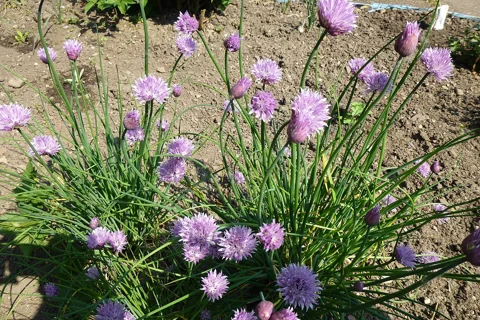
10 Allium schoenoprasum January: no flowering recordedFebruary: no flowering recordedMarch: no flowering recordedApril: no flowering recordedMay: recorded floweringJune: recorded floweringJuly: recorded floweringAugust: no flowering recordedSeptember: no flowering recordedOctober: no flowering recordedNovember: no flowering recordedDecember: no flowering recorded
Species recorded in flower012595434310

Months with no recorded flowers: Jan, Dec.

The diagram describes an established planting. Young ivy does not provide the autumn flowers shown: it must reach its mature flowering stage. This is a large edge planting, not ten species squeezed under one small tree.

Give every plant a place

Suggested planting zones

Start with the space taken by mature trees and hedging. Put fruiting shrubs on the sunny side, keep a separate herb strip, and use lungwort in the shaded base. Give ivy its own managed support.

Woody backbone

Allow mature tree and hedge space; manage ivy separately.

Sunny fruit edge

Keep access to shrubs and canes.

Herbs & shaded base

Lungwort takes the shade; clover and chives take the light.

Conceptual arrangement, not to scale. Choose quantities and spacing from the available area and mature plant spread.

Establish and manage the planting

Choose an apple rootstock and cultivar for the available space; this selection is not an apple cross-pollination plan. Keep blackthorn suckers, raspberry canes, comfrey and ivy within their allotted areas.

The complete selection

All 10 plants and their roles

Every plant links to its existing database profile. Original nectar and pollen ratings remain on those profiles; the references here do not certify those numeric values.

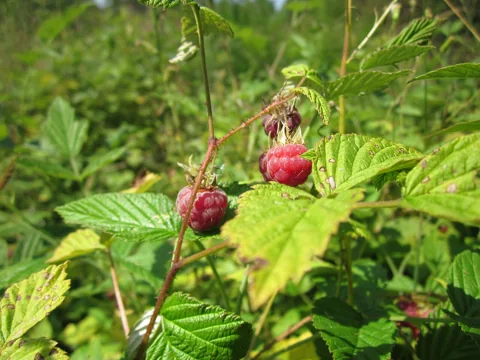
A fruiting Rubus idaeus plant.
AnRo0002 · Wikimedia Commons · CC0
6

Rubus idaeus

Raspberry flowering canes

A draining, preferably sunny strip with room to manage canes.

Catalogue flowering: May–Oct

Evidence for this selection

RHS includes Rubus idaeus in its Plants for Pollinators guidance.

Listed as attracting: bees, butterflies, pollinators.

Plant profile and reviewed observations

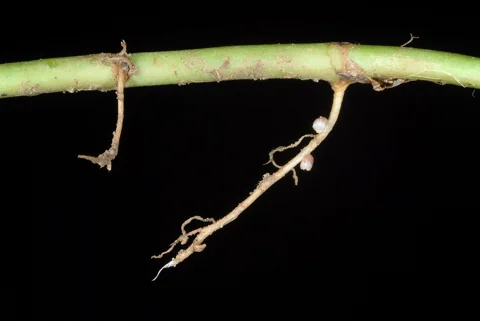
A creeping stem of Trifolium repens with roots at its nodes.
Douglas Goldman · Wikimedia Commons · CC BY-SA 4.0
9

Trifolium repens

Flowering clover strip

A light, moist but draining strip; leave patches unmown while flowering.

Catalogue flowering: May–Oct

Evidence for this selection

RHS includes Trifolium repens in its Plants for Pollinators guidance.

Listed as attracting: bees, butterflies, moths, pollinators.

Plant profile and reviewed observations

Read the supporting material

Sources and scope

General guidance supports the design principles. Plant references support individual traits or recorded flower visitors. A source does not endorse this complete planting recipe. Review date: 2026-09-08.

  1. Plants for PollinatorsRoyal Horticultural Society

    Recommends plants across seasons and simple, accessible flowers. This is general planting guidance, not a trial of these combinations.

  2. How to Make a Pollinator GardenXerces Society

    Match plants to local growing conditions and native ranges, provide nesting habitat and avoid pesticide exposure.

  3. Ivy on trees and as groundcoverRoyal Horticultural Society

    Hedera helix flowers on mature growth in autumn; reaching the flowering stage can take around ten years.

  4. RHS Plants for Pollinators — WildflowersRoyal Horticultural Society

    Recommended pollinator plants; some entries apply to a whole genus.

  5. RHS Plants for Pollinators — Plants Of The WorldRoyal Horticultural Society

    Recommended pollinator plants; some entries apply to a whole genus.

  6. Prunus spinosaRoyal Horticultural Society

    Sunny, moist but draining sites; early-spring blossom. Thorny growth and spreading suckers require space and management.

  7. RHS Plants for Pollinators — Garden PlantsRoyal Horticultural Society

    Recommended pollinator plants; some entries apply to a whole genus.

  8. Malus domestica — Plant ToolboxNC State Extension

    Growing conditions and reported flower visitors for the named plant.

  9. Crataegus monogynaRoyal Horticultural Society

    Sun or partial shade, draining soil and late-spring blossom; allow room for a woody plant several metres wide.

  10. Hedera helix — Plant ToolboxNC State Extension

    Growing conditions and reported flower visitors for the named plant.

  11. Fascinating facts: blackcurrantsRoyal Horticultural Society

    Ribes nigrum prefers an open sunny site and fertile, draining soil.

  12. Rubus idaeus — Plant ToolboxNC State Extension

    Growing conditions and reported flower visitors for the named plant.

  13. Pulmonaria officinalis — Plant ToolboxNC State Extension

    Growing conditions and reported flower visitors for the named plant.

  14. Symphytum officinale — Plant ToolboxNC State Extension

    Growing conditions and reported flower visitors for the named plant.

  15. Trifolium repens — Plant ToolboxNC State Extension

    Growing conditions and reported flower visitors for the named plant.

  16. Allium schoenoprasum — Plant ToolboxNC State Extension

    Growing conditions and reported flower visitors for the named plant.

← Explore the other pollinator recipes