Raspberry
Rubus idaeus
Linked agroforestry plant dataPlant photos
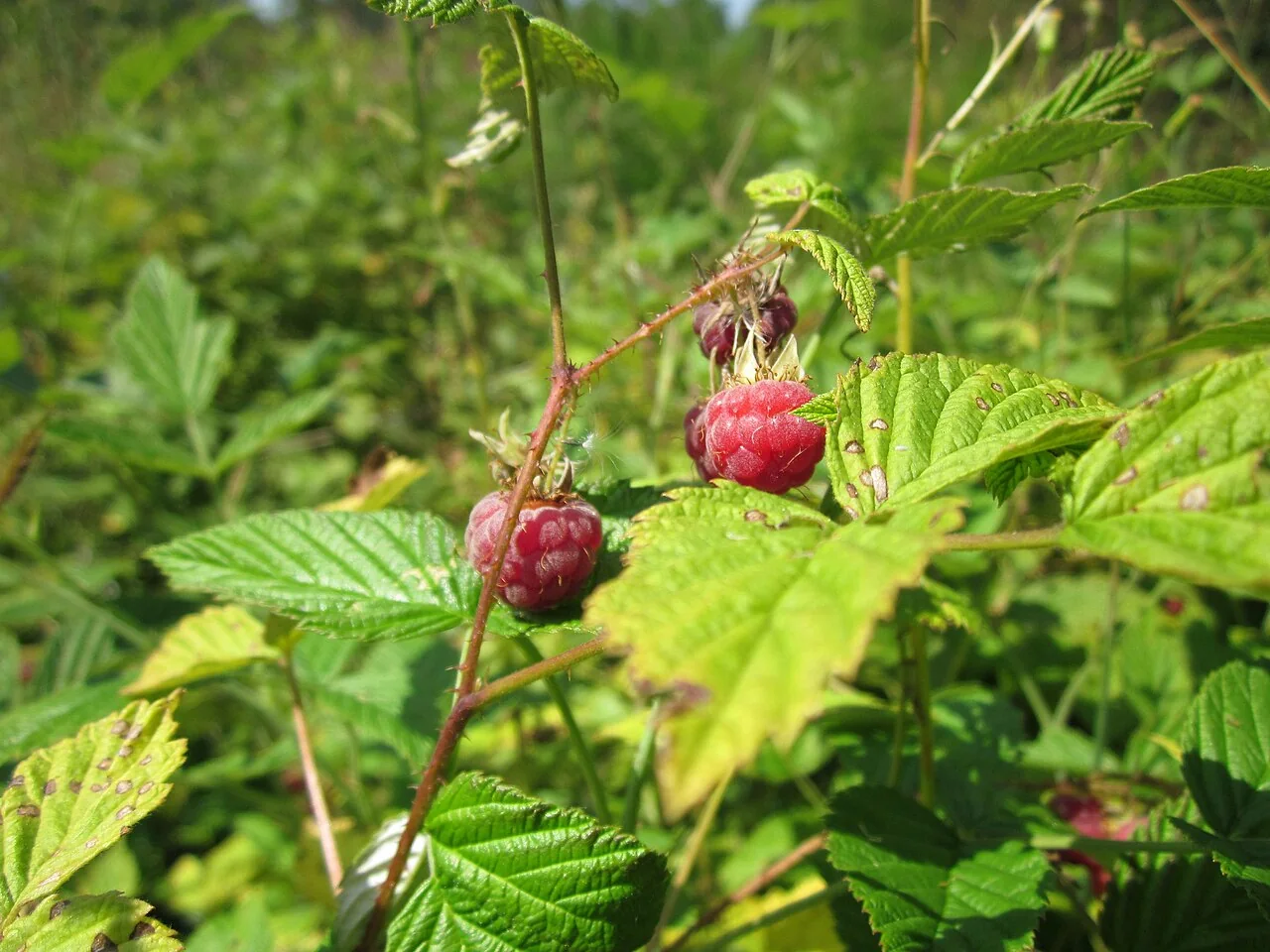
2 photos · Select to enlarge
A fruiting Rubus idaeus plant.
AnRo0002 / Wikimedia Commons / CC0
Photo details
Resized and converted to WebP. No content edits.
Source: File:20130714Rubus idaeus2.jpg
Reviewed . Source identification, photograph and license reviewed. The image illustrates the named plant; it does not verify dimensions or other plant traits.
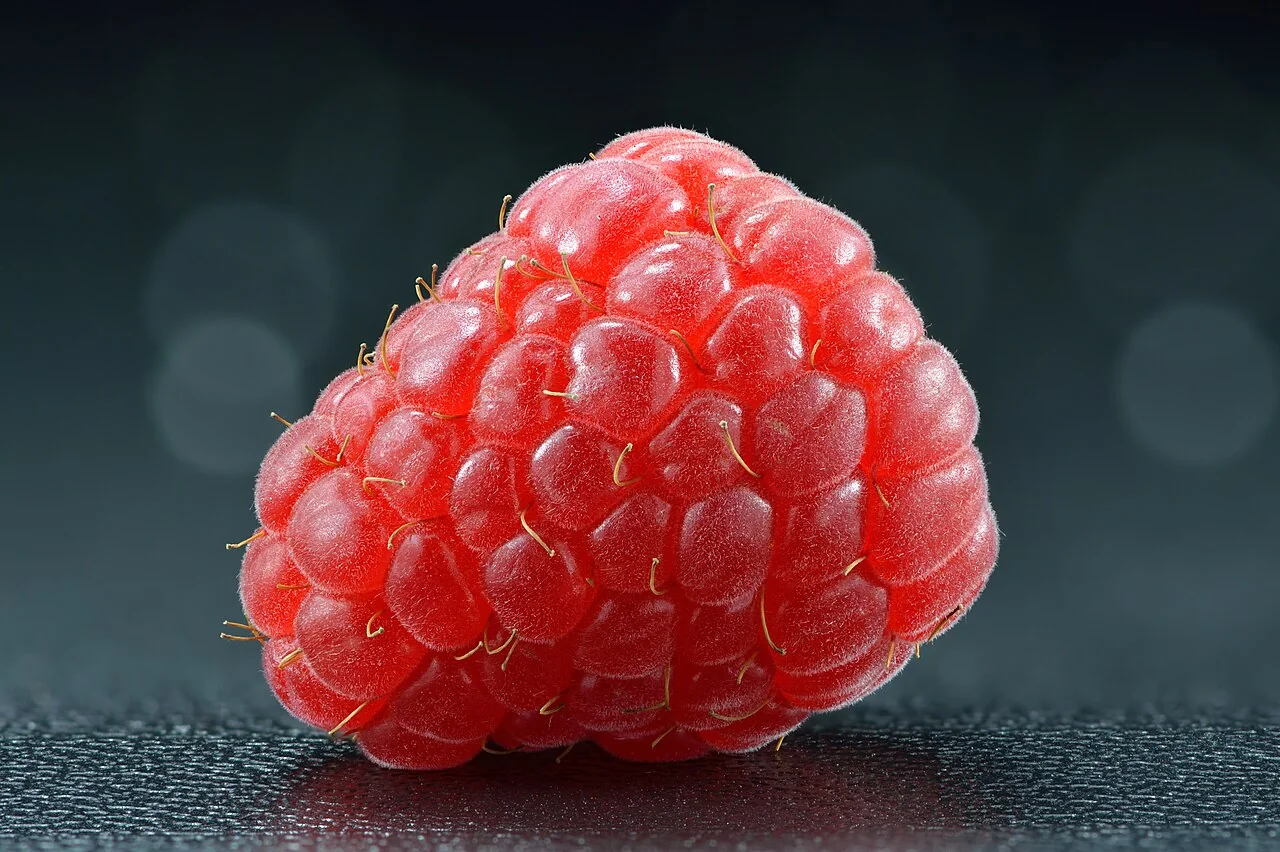
Fruit of Rubus idaeus.
Ivar Leidus / Wikimedia Commons / CC BY-SA 4.0
Photo details
Resized and converted to WebP. No content edits.
Source: File:Raspberry - whole (Rubus idaeus).jpg
Reviewed . Source identification, photograph and license reviewed. The image illustrates the named plant; it does not verify dimensions or other plant traits.
Common names
21 namesNames recorded in our plant catalogue and botanical sources, grouped by language. Usage can vary by region.
Catalogue language labels are reviewed separately from botanical source records.
Numbered references identify names recorded by an external source. Other names are from our plant catalogue.
NC State Extension Gardener Plant Toolbox; English common names in a United States horticultural reference.
Source records
- Raspberry — ul#common_names > li:nth-of-type(4); heading: Common Name(s):; Rubus idaeus.
- Blackberry — ul#common_names > li:nth-of-type(1); heading: Common Name(s):; Rubus idaeus.
- Dewberry — ul#common_names > li:nth-of-type(2); heading: Common Name(s):; Rubus idaeus.
- Raspberries — ul#common_names > li:nth-of-type(3); heading: Common Name(s):; Rubus idaeus.
- Red Raspberry — ul#common_names > li:nth-of-type(5); heading: Common Name(s):; Rubus idaeus.
Community-curated iNaturalist taxonomy. This is a common-name attestation, not an independent botanical determination.
Source records
- Raspberry — results[0].names[17]; taxon id 54436; Rubus idaeus.
- Framboos — results[0].names[12]; taxon id 54436; Rubus idaeus.
- Echte Himbeere — results[0].names[48]; taxon id 54436; Rubus idaeus.
- Himbeere — results[0].names[3]; taxon id 54436; Rubus idaeus.
- domestic red raspberry — results[0].names[39]; taxon id 54436; Rubus idaeus.
- European raspberry — results[0].names[5]; taxon id 54436; Rubus idaeus.
- red raspberry — results[0].names[1]; taxon id 54436; Rubus idaeus.
- Frambuesa — results[0].names[4]; taxon id 54436; Rubus idaeus.
- Framboisier — results[0].names[2]; taxon id 54436; Rubus idaeus.
- Framboisier commun — results[0].names[47]; taxon id 54436; Rubus idaeus.
- Ronce du mont Ida — results[0].names[52]; taxon id 54436; Rubus idaeus.
- Lampone — results[0].names[29]; taxon id 54436; Rubus idaeus.
- Gewone framboos — results[0].names[13]; taxon id 54436; Rubus idaeus.
- Framboesa — results[0].names[8]; taxon id 54436; Rubus idaeus.
- Framboeseira — results[0].names[7]; taxon id 54436; Rubus idaeus.
Names retained from the referenced botanical profile or table.
Source records
- common raspberry — Page 4, column 2, row top 622 pt; common-name cell after Rubus idaeus.; Rubus idaeus.
Source-backed information
Published observations for this plant. Each reference supports the information beside it.
- Botanical family
-
Rosaceae
Genus-level classification for Rubus; this does not confirm the complete catalogue name.
Sources [1] - Taxonomy
-
NC State Extension publishes a profile under Rubus idaeus.
Profile-name match; no accepted-name status is asserted.
Sources [2] - Plant habit
-
Arching; Erect; Spreading
NC State Extension profile.
Sources [2] - Life cycle
-
Perennial
NC State Extension profile.
Sources [2] - Growth rate
-
Medium
NC State Extension profile.
Sources [2] - Foliage
-
Deciduous; Semi-evergreen
NC State Extension profile.
Sources [2] - Light
-
Full sun (6 or more hours of direct sunlight a day); Partial Shade (Direct sunlight only part of the day, 2-6 hours)
NC State Extension profile.
Sources [2] - Moisture and drainage
-
Good Drainage
NC State Extension profile.
Sources [2] - Soil texture
-
Clay; High Organic Matter; Loam (Silt); Sand
NC State Extension profile.
Sources [2] - Soil pH
-
Acid (<6.0)
NC State Extension profile. These source categories do not certify the catalogue’s numeric pH interval.
Sources [2] - Flowering season
-
Spring; Summer
NC State Extension profile. Seasons reflect the source region and do not verify the catalogue’s exact flowering months.
Sources [2] - Reported wildlife attraction
-
Listed as attracting: bees, butterflies, pollinators.
NC State Extension profile. Broad wildlife categories; this does not establish flower visits by a named bee species or quantify nectar and pollen.
Sources [2] - Pollinator guidance
-
RHS includes Rubus idaeus in its Plants for Pollinators guidance.
RHS planting guidance. Choose accessible flowers with pollen and nectar; reduced-resource and double-flowered forms may be unsuitable.
Sources [3]
Who this plant supports
Complete plant information
Structure
- Vegetation layer
- Shrub
- Size
- Small
- Dimensions
- 2.00 m high × 1.50 m wide
- Growth rate
- Moderate
- Lifecycle
- Perennial
- Foliage
- Deciduous
Site conditions
- USDA hardiness
- 4-7
- Moisture
- Moist
- Soil
- Sandy, Loamy, Clay
- pH
- Acid, Neutral, Alkaline
- Light
- Partial shade, Sun
Uses
- Edible parts
- Leaves, Fruit, Coffee, Stem, Tea, Root
- Functions
- Cosmetic, Dye, Paper
- Edibility
- 5 out of 5
- Medicinal value
- 3 out of 5
Fruits: The fruits of this plant can be eaten both raw and cooked. They are delicious as a snack or can be used in various dishes such as pies and jam. Roots: The roots should be cooked thoroughly before consumption. Young shoots: The young, still tender shoots can be peeled and eaten both raw and cooked, similar to asparagus. These are harvested in the spring. Leaves: The dried leaves are ideal for making herbal tea.
Sources and references
References for the information marked with source numbers on this page.
-
Catalogue of Life
Rubus — Catalogue of Life COL26.8
COL26.8 (2026-08-20). Contributing checklist: Synonymic Checklists of the Vascular Plants of the World. This is taxonomic evidence, not an independent ecological study.
Supports: Botanical familyRelevant sections
- Botanical family: NameUsage.tsv line 1903590; ID 643JJ; rank genus; status accepted
Source checked on .
Source data licence: CC BY 4.0.
-
NC State Extension
Rubus idaeus — Plant Toolbox
NC State Extension Gardener Plant Toolbox. Growing conditions and seasons reflect its United States horticultural context.
Supports: TaxonomyPlant habitLife cycleGrowth rateFoliageLightMoisture and drainageSoil textureSoil pHFlowering seasonReported wildlife attractionRelevant sections
- Taxonomy: Main botanical heading (h1)
- Plant habit: Habit/Form
- Life cycle: Life Cycle
- Growth rate: Growth Rate
- Foliage: Woody Plant Leaf Characteristics
- Light: Light
- Moisture and drainage: Soil Drainage
- Soil texture: Soil Texture
- Soil pH: Soil pH
- Flowering season: Flower Bloom Time
- Reported wildlife attraction: Attracts
Source checked on .
-
Royal Horticultural Society
RHS Plants for Pollinators — Garden Plants
RHS planting guidance; applicable flower-form restrictions are retained. General recommendations do not measure local nectar or pollen production.
Supports: Pollinator guidanceRelevant sections
- Pollinator guidance: Page 4, column 2, entry Rubus idaeus (top 622 pt)
Source checked on .