

Honey bees
Nectar value
Medium
Pollen value
Medium
Malus domestica
Linked agroforestry plant data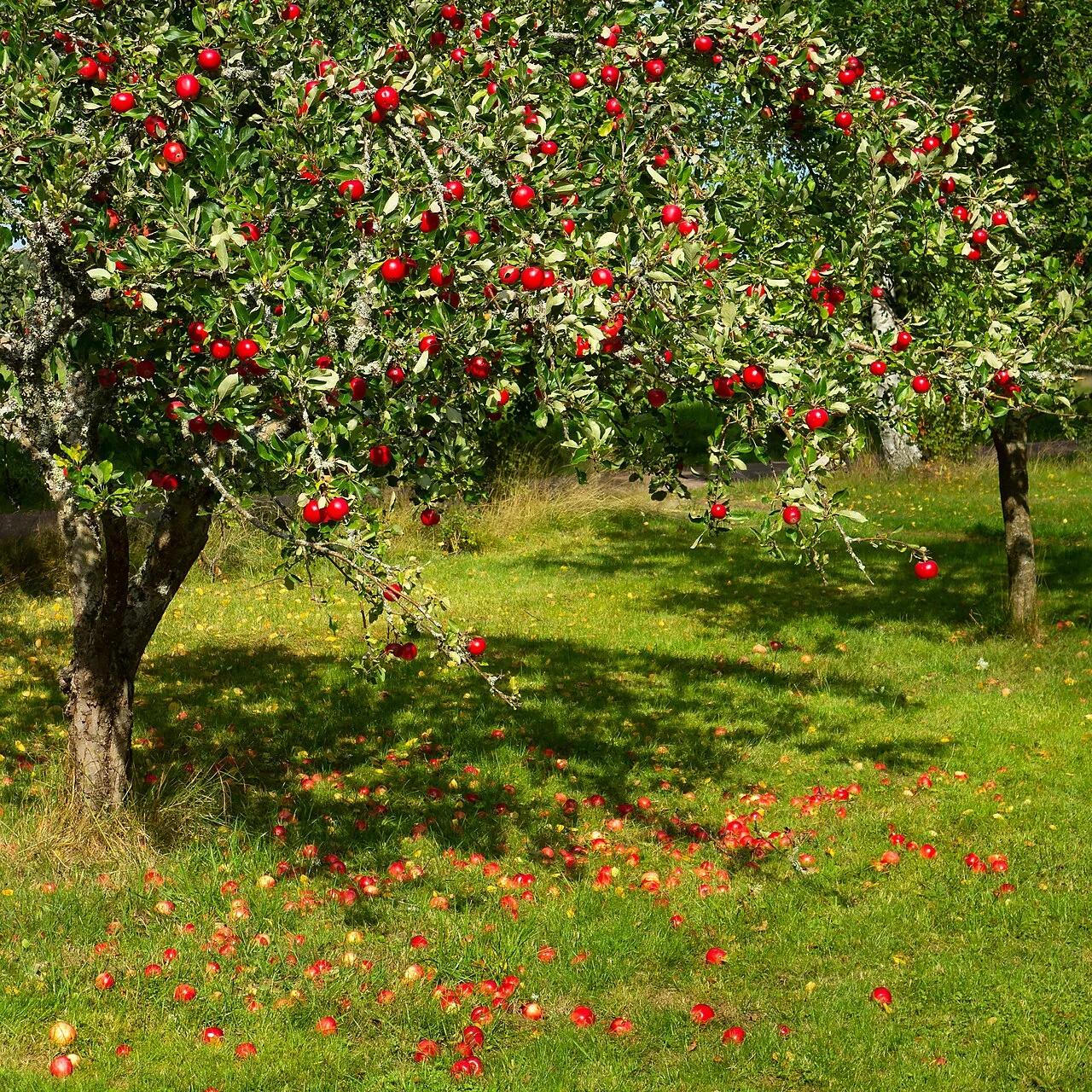
An apple tree bearing red fruit, cultivar ‘Särsö’.
W.carter / Wikimedia Commons / CC0
Resized and converted to WebP. No content edits.
Source: File:Tree with red apples in Barkedal 4.jpg
Reviewed . Source identifies an apple cultivar. The cultivar is named in the caption; its appearance is not presented as universal for this species.
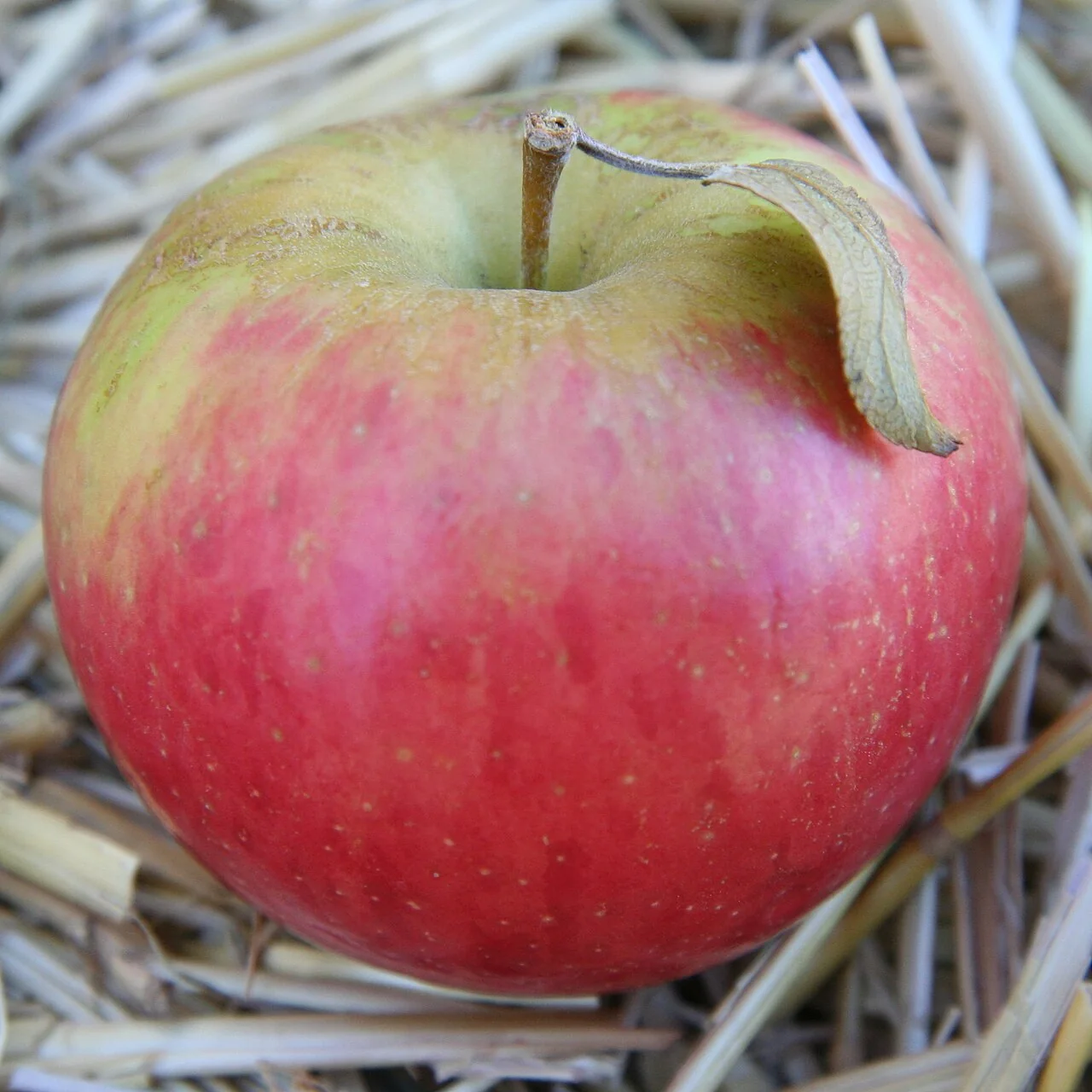
A ‘Honeycrisp’ apple; fruit appearance varies between cultivars.
Jonathunder / Wikimedia Commons / CC BY-SA 3.0
Resized and converted to WebP. No content edits.
Source: File:Honeycrisp.jpg
Reviewed . Source identifies an apple cultivar. The cultivar is named in the caption; its appearance is not presented as universal for this species.
Names recorded in our plant catalogue and botanical sources, grouped by language. Usage can vary by region.
Catalogue language labels are reviewed separately from botanical source records.
Numbered references identify names recorded by an external source. Other names are from our plant catalogue.
NC State Extension Gardener Plant Toolbox; English common names in a United States horticultural reference.
Community-curated iNaturalist taxonomy. This is a common-name attestation, not an independent botanical determination.
Common names from World Plants, version 26.05, reproduced in Catalogue of Life 2026-08-20. License: CC BY.
Published observations for this plant. Each reference supports the information beside it.
Taxonomic treatment in the August 2026 release; the catalogue record name is preserved.
Sources [1]Family in the cited taxonomic treatment.
Sources [1]NC State Extension profile. Converted from the source range in feet and inches; mature size varies with growing conditions.
Sources [2]NC State Extension profile. Converted from the source range in feet and inches; mature size varies with growing conditions.
Sources [2]NC State Extension profile.
Sources [2]NC State Extension profile.
Sources [2]NC State Extension profile.
Sources [2]NC State Extension profile.
Sources [2]NC State Extension profile.
Sources [2]NC State Extension profile.
Sources [2]NC State Extension profile. These source categories do not certify the catalogue’s numeric pH interval.
Sources [2]NC State Extension profile. Seasons reflect the source region and do not verify the catalogue’s exact flowering months.
Sources [2]NC State Extension profile. Origin reported by the source; this is not a claim of local nativeness.
Sources [2]NC State Extension profile. Broad wildlife categories; this does not establish flower visits by a named bee species or quantify nectar and pollen.
Sources [2]Genus-level guidance, not a rating for this individual species or a particular cultivar. RHS planting guidance. Choose accessible flowers with pollen and nectar; reduced-resource and double-flowered forms may be unsuitable.
Sources [3]Fruit: eating raw, cooking, or drying. Apples are one of the most common and cultivated types of fruit in temperate climates. There are various types of apples with a range of flavors, from sour to sweet, and textures from dry to juicy. They also vary in ripening periods, with some apples being ripe as early as the end of July, while others are not ripe until late autumn. Some apples contain a lot of pectin, making them ideal for making jam. Edible oil can be extracted from the seeds of an apple.
References for the information marked with source numbers on this page.
COL26.8 (2026-08-20). Contributing checklist: Synonymic Checklists of the Vascular Plants of the World. This is taxonomic evidence, not an independent ecological study.
Source checked on .
Source data licence: CC BY 4.0.
NC State Extension Gardener Plant Toolbox. Growing conditions and seasons reflect its United States horticultural context.
Source checked on .
RHS planting guidance; applicable flower-form restrictions are retained. General recommendations do not measure local nectar or pollen production.
Source checked on .