Blackthorn
Prunus spinosa
Linked agroforestry plant dataPlant photos
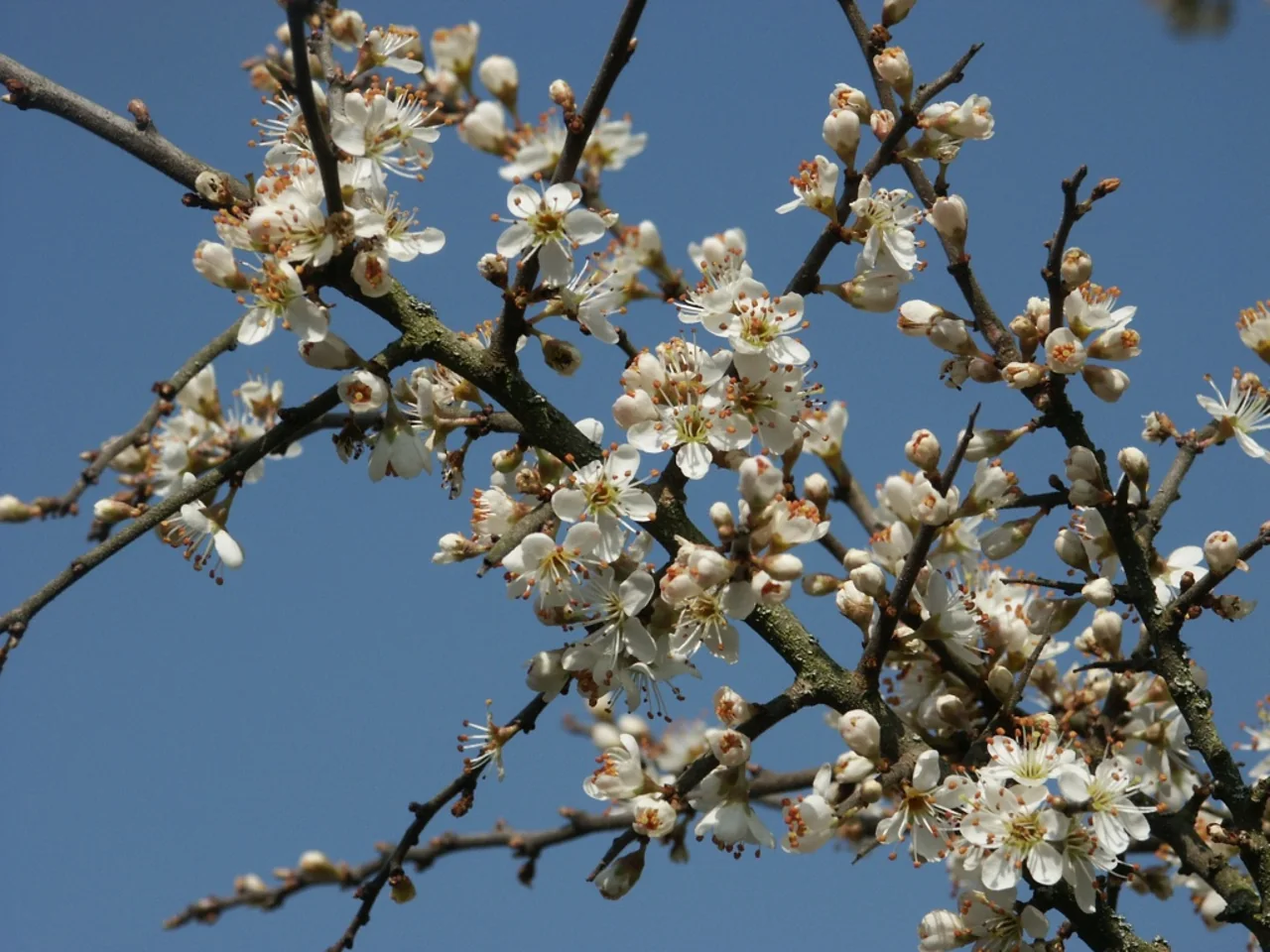
2 photos · Select to enlarge
Flowers of Prunus spinosa.
BerndH / Wikimedia Commons / CC BY-SA 3.0
Photo details
Resized and converted to WebP. No content edits.
Source: File:Prunus spinosa 130403.jpg
Reviewed . Source identification, photograph and license reviewed. The image illustrates the named plant; it does not verify dimensions or other plant traits.
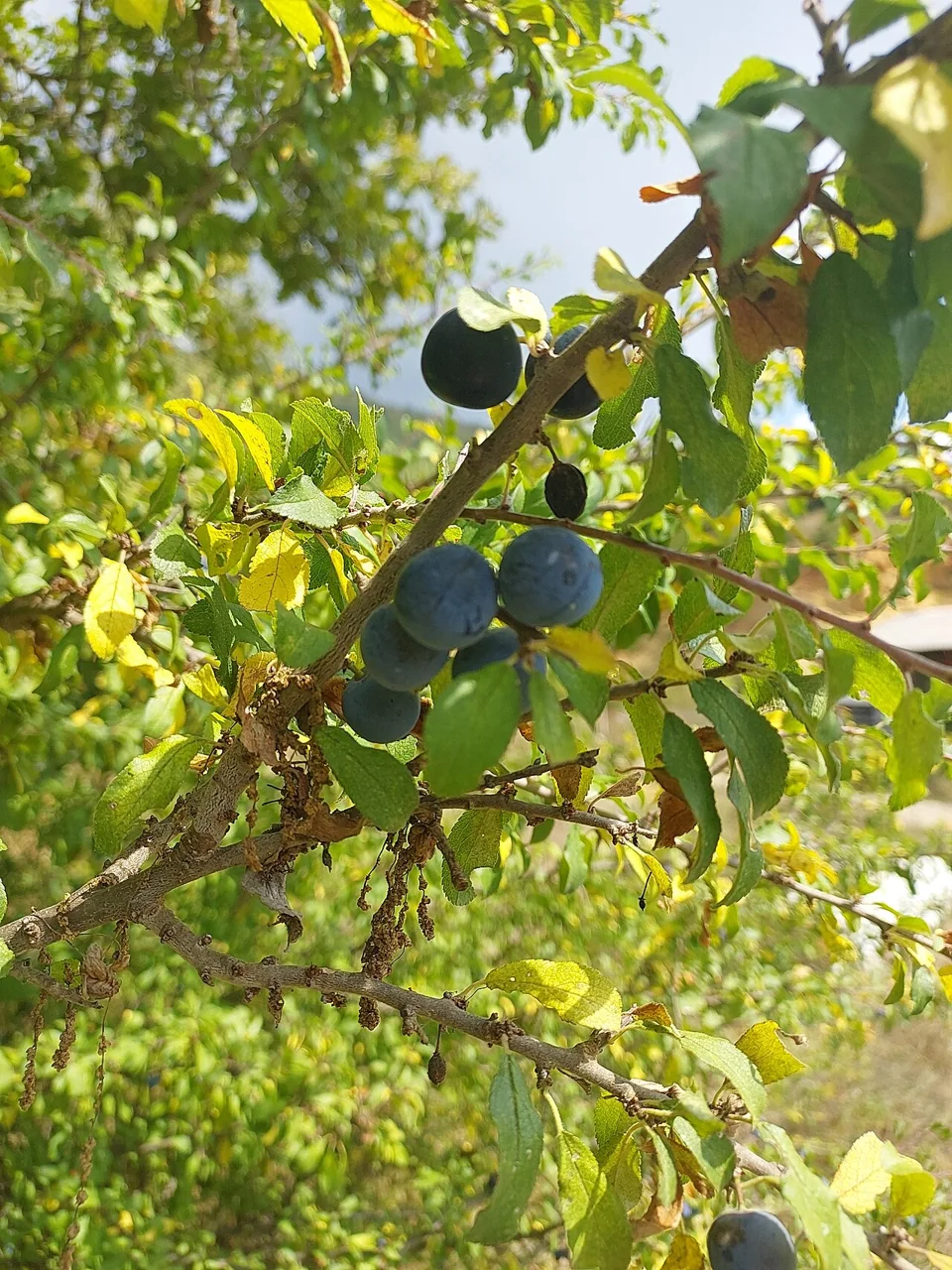
Fruit of Prunus spinosa.
İmmortalance / Wikimedia Commons / CC0
Photo details
Resized and converted to WebP. No content edits.
Source: File:Çakal eriği.jpg
Reviewed . Source identification, photograph and license reviewed. The image illustrates the named plant; it does not verify dimensions or other plant traits.
Common names
18 namesNames recorded in our plant catalogue and botanical sources, grouped by language. Usage can vary by region.
Numbered references identify names recorded by an external source. Other names are from our plant catalogue.
Names retained from the referenced botanical profile or table.
Source records
- blackthorn — Page 2, column 1, row top 262 pt; common-name cell after Prunus spinosa.; Prunus spinosa.
- sloe — Page 2, column 1, row top 262 pt; common-name cell after Prunus spinosa.; Prunus spinosa.
Names retained from the referenced botanical profile or table.
Source records
- blackthorn — Page 2, column 2, row top 517 pt; common-name cell after Prunus spinosa.; Prunus spinosa.
- sloe — Page 2, column 2, row top 517 pt; common-name cell after Prunus spinosa.; Prunus spinosa.
Community-curated iNaturalist taxonomy. This is a common-name attestation, not an independent botanical determination.
Source records
- Blackthorn — results[0].names[1]; taxon id 55811; Prunus spinosa.
- Sleedoorn — results[0].names[2]; taxon id 55811; Prunus spinosa.
- Prunellier — results[0].names[12]; taxon id 55811; Prunus spinosa.
- Heckendorn — results[0].names[8]; taxon id 55811; Prunus spinosa.
- Sauerpflaume — results[0].names[62]; taxon id 55811; Prunus spinosa.
- Schlehdorn — results[0].names[4]; taxon id 55811; Prunus spinosa.
- Schlehe — results[0].names[6]; taxon id 55811; Prunus spinosa.
- Schlehendorn — results[0].names[7]; taxon id 55811; Prunus spinosa.
- Schwarzdorn — results[0].names[5]; taxon id 55811; Prunus spinosa.
- Sloe — results[0].names[3]; taxon id 55811; Prunus spinosa.
- endrino — results[0].names[20]; taxon id 55811; Prunus spinosa.
- Épine noire — results[0].names[13]; taxon id 55811; Prunus spinosa.
- Ciliegio canino — results[0].names[25]; taxon id 55811; Prunus spinosa.
- Prugno spinoso — results[0].names[27]; taxon id 55811; Prunus spinosa.
- Prugnolo — results[0].names[11]; taxon id 55811; Prunus spinosa.
- Strozzapreti — results[0].names[26]; taxon id 55811; Prunus spinosa.
- Abrunheiro-bravo — results[0].names[9]; taxon id 55811; Prunus spinosa.
Source-backed information
Published observations for this plant. Each reference supports the information beside it.
- Botanical family
-
Rosaceae
Genus-level classification for Prunus; this does not confirm the complete catalogue name.
Sources [1]
Who this plant supports
Complete plant information
Structure
- Vegetation layer
- Fruit tree, Shrub
- Size
- Small
- Dimensions
- 3.00 m high × 3.00 m wide
- Growth rate
- Moderate
- Lifecycle
- Perennial
- Foliage
- Deciduous
Site conditions
- USDA hardiness
- 4-8
- Moisture
- Moist
- Soil
- Sandy, Loamy, Clay
- pH
- Acid, Neutral, Alkaline
- Light
- Partial shade, Sun
Uses
- Edible parts
- Fruit, Flowers, Seed
- Functions
- Cosmetic, Dye, Hedge, Pioneer plant, Timber, Pollinator plant, Carbon farming
- Edibility
- 3 out of 5
- Medicinal value
- 2 out of 5
The fruits of this plant can be eaten either raw or cooked. Normally, they are cooked due to their very sour taste, but once the fruits have been frozen, they lose some of their astringent properties, making it possible for some people to enjoy them raw. These fruits are often used to make jelly, syrups, and other preserves, and are also used as a flavoring for, for example, sloe gin and various liqueurs. In France, unripe fruits are pickled like olives. The fruits are about 15 mm in diameter and contain a large seed, which can be eaten both raw and cooked. However, the seed should not be eaten if it is too bitter, due to possible toxicity. The leaves of this plant are used as a coffee substitute, and the dried fruits can be used to make herbal tea. The edible flowers can be crystallized or sweetened and added to dishes.
Sources and references
References for the information marked with source numbers on this page.
-
Catalogue of Life
Prunus — Catalogue of Life COL26.8
COL26.8 (2026-08-20). Contributing checklist: Synonymic Checklists of the Vascular Plants of the World. This is taxonomic evidence, not an independent ecological study.
Supports: Botanical familyRelevant sections
- Botanical family: NameUsage.tsv line 2451952; ID 6Y6H; rank genus; status accepted
Source checked on .
Source data licence: CC BY 4.0.
-
Royal Horticultural Society
RHS Plants for Pollinators — Wildflowers
RHS planting guidance; applicable flower-form restrictions are retained. General recommendations do not measure local nectar or pollen production.
Supports: Pollinator guidanceRelevant sections
- Pollinator guidance: Page 2, column 2, entry Prunus spinosa (top 517 pt)
Source checked on .
-
Royal Horticultural Society
RHS Plants for Pollinators — Plants Of The World
RHS planting guidance; applicable flower-form restrictions are retained. General recommendations do not measure local nectar or pollen production.
Supports: Pollinator guidanceRelevant sections
- Pollinator guidance: Page 2, column 1, entry Prunus spinosa (top 262 pt)
Source checked on .