Pollinator planting recipe · 9 species

Moist flower border

Nine plants for a reliably moist border, combining spring flowers at the edge with taller summer and late-season clumps.

Sun to light shade · reliably moist soilTemperate Europe · managed garden borders
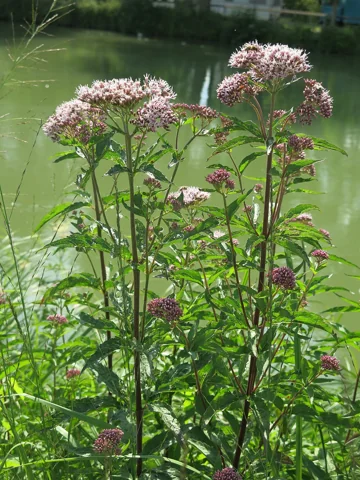
Eupatorium cannabinum in flower.
Burkhard Mücke · Wikimedia Commons · CC BY-SA 4.0
Why these plants

Build a sequence of flowers

Moisture is the common thread. Cuckooflower, bugle and water avens start the catalogue sequence; taller perennials take over in summer, with devil’s-bit scabious adding a later role.

The plant choices draw on published guidance. The combination and layout are design suggestions, not a trialled plant community or a guarantee of pollinator numbers. [1] [2] [3]

Follow the season

Flowering overlap

These are the original catalogue months, shown as a planning guide. Sources may use broader seasons or different regional dates. Weather, plant age and management affect actual flowering.

Swipe the calendar to see all months

Indicative catalogue flowering periods · 9 species
PlantJanFebMarAprMayJunJulAugSepOctNovDec
1 Eupatorium cannabinum January: no flowering recordedFebruary: no flowering recordedMarch: no flowering recordedApril: no flowering recordedMay: no flowering recordedJune: no flowering recordedJuly: recorded floweringAugust: recorded floweringSeptember: recorded floweringOctober: no flowering recordedNovember: no flowering recordedDecember: no flowering recorded
2 Filipendula ulmaria January: no flowering recordedFebruary: no flowering recordedMarch: no flowering recordedApril: no flowering recordedMay: no flowering recordedJune: recorded floweringJuly: recorded floweringAugust: recorded floweringSeptember: recorded floweringOctober: no flowering recordedNovember: no flowering recordedDecember: no flowering recorded
3 Lythrum salicaria January: no flowering recordedFebruary: no flowering recordedMarch: no flowering recordedApril: no flowering recordedMay: no flowering recordedJune: recorded floweringJuly: recorded floweringAugust: recorded floweringSeptember: recorded floweringOctober: no flowering recordedNovember: no flowering recordedDecember: no flowering recorded
4 Monarda didyma January: no flowering recordedFebruary: no flowering recordedMarch: no flowering recordedApril: no flowering recordedMay: no flowering recordedJune: no flowering recordedJuly: recorded floweringAugust: recorded floweringSeptember: recorded floweringOctober: no flowering recordedNovember: no flowering recordedDecember: no flowering recorded
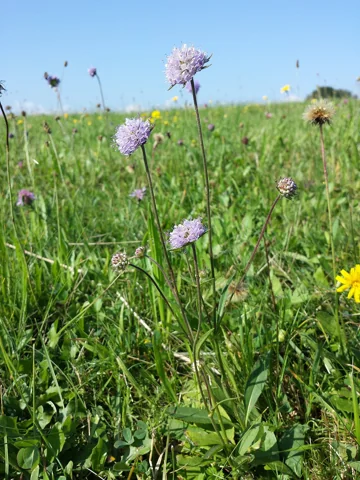
5 Succisa pratensis January: no flowering recordedFebruary: no flowering recordedMarch: no flowering recordedApril: no flowering recordedMay: no flowering recordedJune: no flowering recordedJuly: recorded floweringAugust: recorded floweringSeptember: recorded floweringOctober: no flowering recordedNovember: no flowering recordedDecember: no flowering recorded
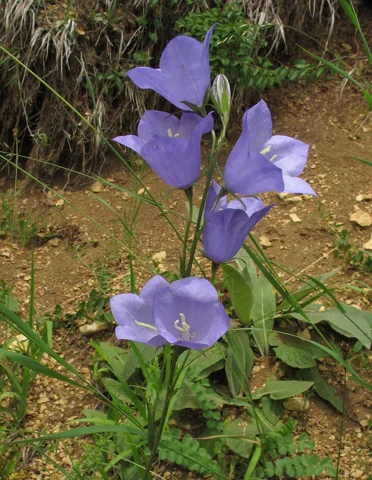
6 Campanula persicifolia January: no flowering recordedFebruary: no flowering recordedMarch: no flowering recordedApril: no flowering recordedMay: recorded floweringJune: recorded floweringJuly: recorded floweringAugust: recorded floweringSeptember: no flowering recordedOctober: no flowering recordedNovember: no flowering recordedDecember: no flowering recorded
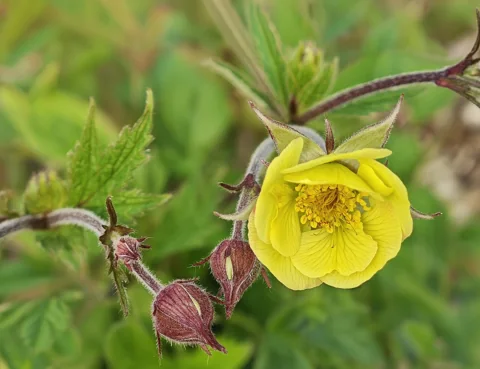
7 Geum rivale January: no flowering recordedFebruary: no flowering recordedMarch: no flowering recordedApril: no flowering recordedMay: recorded floweringJune: recorded floweringJuly: no flowering recordedAugust: no flowering recordedSeptember: no flowering recordedOctober: no flowering recordedNovember: no flowering recordedDecember: no flowering recorded
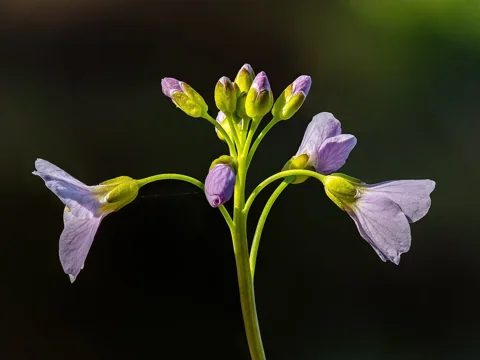
8 Cardamine pratensis January: no flowering recordedFebruary: no flowering recordedMarch: no flowering recordedApril: recorded floweringMay: recorded floweringJune: recorded floweringJuly: no flowering recordedAugust: no flowering recordedSeptember: no flowering recordedOctober: no flowering recordedNovember: no flowering recordedDecember: no flowering recorded
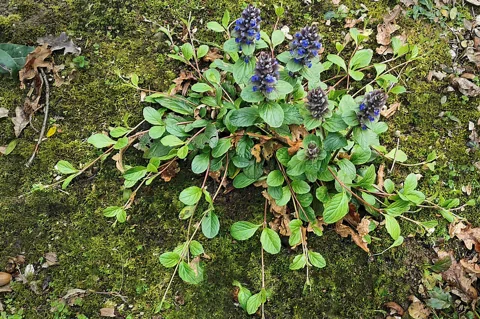
9 Ajuga reptans January: no flowering recordedFebruary: no flowering recordedMarch: no flowering recordedApril: recorded floweringMay: recorded floweringJune: recorded floweringJuly: no flowering recordedAugust: no flowering recordedSeptember: no flowering recordedOctober: no flowering recordedNovember: no flowering recordedDecember: no flowering recorded
Species recorded in flower000246665000

Months with no recorded flowers: Jan, Feb, Mar, Oct, Nov, Dec.

This selection is for temperate Europe. Purple loosestrife is invasive in North America: do not transfer this combination there. Use locally appropriate alternatives outside the intended region.

Give every plant a place

Suggested planting zones

Arrange a sunny, taller rear and an open, cooler front. This is a planted border: space and manage individual clumps instead of sowing everything as one meadow mixture.

Sunny taller rear

Give these vigorous plants room.

Open moist middle

Keep space between flowering clumps.

Cool spring edge

Keep low plants free of summer crowding.

Conceptual arrangement, not to scale. Choose quantities and spacing from the available area and mature plant spread.

Establish and manage the planting

Retain soil moisture through dry periods. Keep small spring plants clear of vigorous neighbours and divide spreading clumps when they crowd the border.

The complete selection

All 9 plants and their roles

Every plant links to its existing database profile. Original nectar and pollen ratings remain on those profiles; the references here do not certify those numeric values.

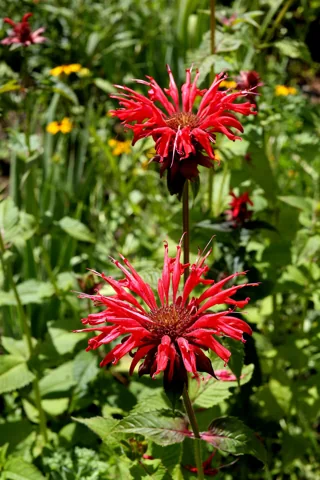
Monarda didyma in flower.
Burkhard Mücke · Wikimedia Commons · CC BY-SA 4.0
4

Monarda didyma

Bergamot flower clusters

Sun and reliably moist soil with drainage; leave air around clumps.

Catalogue flowering: Jul–Sep

Evidence for this selection

RHS includes Monarda didyma in its Plants for Pollinators guidance.

Listed as attracting: butterflies, hummingbirds, moths, pollinators, specialized bees.

Plant profile and reviewed observations

Read the supporting material

Sources and scope

General guidance supports the design principles. Plant references support individual traits or recorded flower visitors. A source does not endorse this complete planting recipe. Review date: 2026-09-08.

  1. Plants for PollinatorsRoyal Horticultural Society

    Recommends plants across seasons and simple, accessible flowers. This is general planting guidance, not a trial of these combinations.

  2. How to Make a Pollinator GardenXerces Society

    Match plants to local growing conditions and native ranges, provide nesting habitat and avoid pesticide exposure.

  3. Devil’s-bit scabious — Succisa pratensisThe Wildlife Trusts

    Damp meadows and woodland rides; flowers July to October and attracts bees and butterflies. The catalogue uses July to September.

  4. RHS Plants for Pollinators — WildflowersRoyal Horticultural Society

    Recommended pollinator plants; some entries apply to a whole genus.

  5. RHS Plants for Pollinators — Garden PlantsRoyal Horticultural Society

    Recommended pollinator plants; some entries apply to a whole genus.

  6. RHS Plants for Pollinators — Plants Of The WorldRoyal Horticultural Society

    Recommended pollinator plants; some entries apply to a whole genus.

  7. Eupatorium cannabinumRoyal Horticultural Society

    Moist soil, sun or partial shade; a vigorous perennial around 1.5 m with flowers in late summer and early autumn.

  8. Filipendula ulmaria — Plant ToolboxNC State Extension

    Growing conditions and reported flower visitors for the named plant.

  9. Lythrum salicaria — Plant ToolboxNC State Extension

    Growing conditions and reported flower visitors for the named plant.

  10. Monarda didyma — Plant ToolboxNC State Extension

    Growing conditions and reported flower visitors for the named plant.

  11. Campanula persicifolia — Plant ToolboxNC State Extension

    Growing conditions and reported flower visitors for the named plant.

  12. Geum rivaleRoyal Horticultural Society

    Moist, draining soil in sun or partial shade; flowers in late spring and early summer.

  13. Cuckooflower — Cardamine pratensisThe Wildlife Trusts

    Damp grassy habitats; flowers April to June in the UK.

  14. Ajuga reptans — Plant ToolboxNC State Extension

    Growing conditions and reported flower visitors for the named plant.

← Explore the other pollinator recipes