-20200416-RM-095356.jpg)
-20200412-RM-100314.jpg)
Honey bees
Nectar value
Medium
Pollen value
Medium
Cardamine pratensis
Linked agroforestry plant data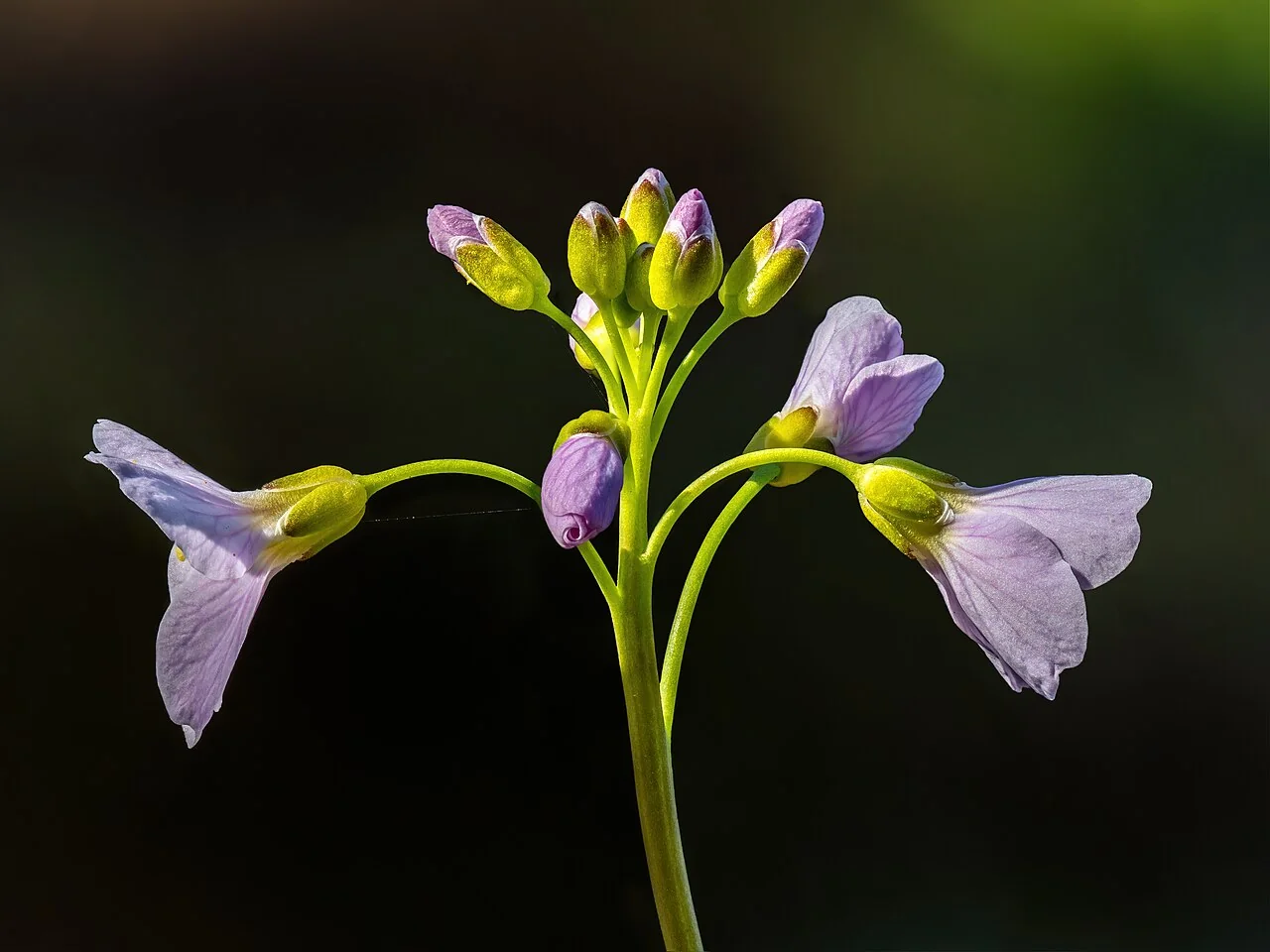
Flowers of Cardamine pratensis.
Reinhold Möller / Wikimedia Commons / CC BY-SA 4.0
Resized and converted to WebP. No content edits.
Source: File:Wiesenschaumkraut (Cardamine pratensis)-20200416-RM-095356.jpg
Reviewed . Source identification, photograph and license reviewed. The image illustrates the named plant; it does not verify dimensions or other plant traits.
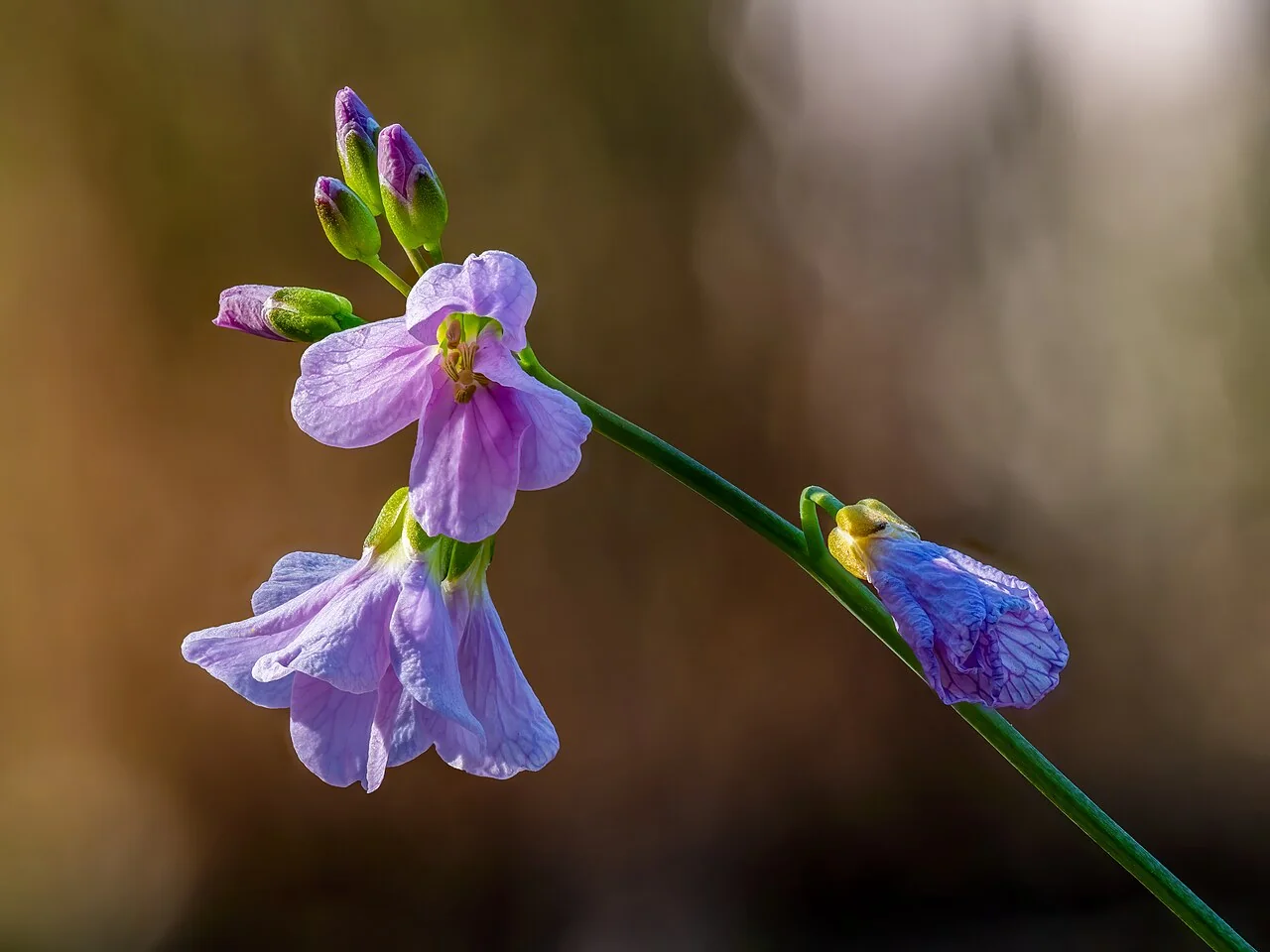
Flowers of Cardamine pratensis.
Reinhold Möller / Wikimedia Commons / CC BY-SA 4.0
Resized and converted to WebP. No content edits.
Source: File:Wiesenschaumkraut (Cardamine pratensis)-20200412-RM-100314.jpg
Reviewed . Source identification, photograph and license reviewed. The image illustrates the named plant; it does not verify dimensions or other plant traits.
Names recorded in our plant catalogue and botanical sources, grouped by language. Usage can vary by region.
Numbered references identify names recorded by an external source. Other names are from our plant catalogue.
Names retained from the referenced botanical profile or table.
Community-curated iNaturalist taxonomy. This is a common-name attestation, not an independent botanical determination.
Published observations for this plant. Each reference supports the information beside it.
Taxonomic treatment in the August 2026 release; the catalogue record name is preserved.
Sources [1]Family in the cited taxonomic treatment.
Sources [1]RHS planting guidance. Choose accessible flowers with pollen and nectar; reduced-resource and double-flowered forms may be unsuitable.
Sources [2]The leaves and young shoots of this plant can be eaten both raw and cooked. They are a good source of vitamins and minerals, especially vitamin C, but have a bitter and sharp taste. The leaves and young shoots can be harvested in the spring and taste somewhat like watercress. They are available early in the year and make a tasty addition to salads when used in small amounts. The flowers and flower buds can be eaten raw and have a spicy, watercress-like flavor. The white flowers are attractive and add a pleasant crunch and delightful taste to salads.
References for the information marked with source numbers on this page.
COL26.8 (2026-08-20). Contributing checklist: Synonymic Checklists of the Vascular Plants of the World. This is taxonomic evidence, not an independent ecological study.
Source checked on .
Source data licence: CC BY 4.0.
RHS planting guidance; applicable flower-form restrictions are retained. General recommendations do not measure local nectar or pollen production.
Source checked on .