

Honey bees
Nectar value
High
Pollen value
High
Tilia x europaea
Linked agroforestry plant data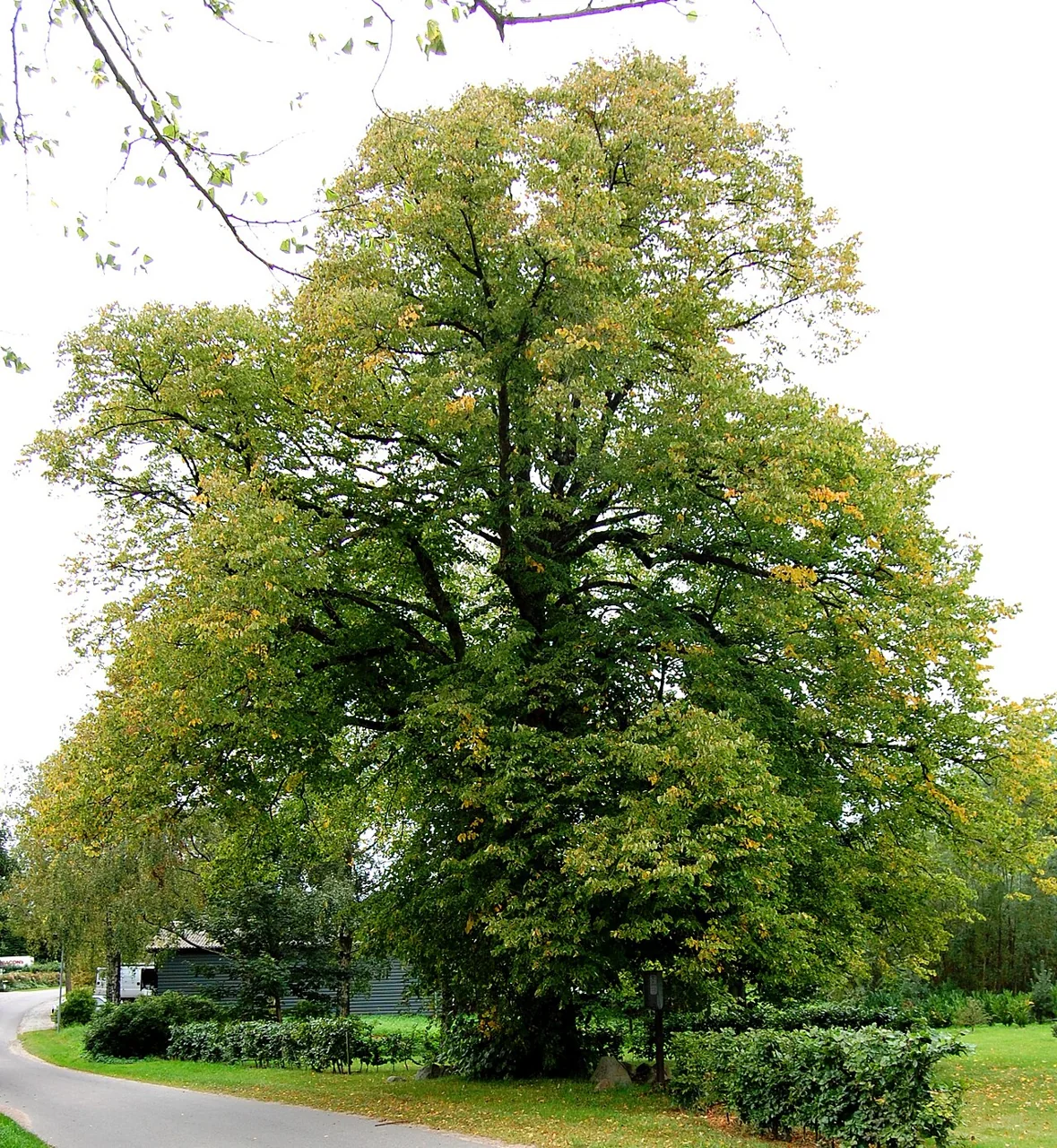
A Tilia × europaea tree.
Zolaria / Wikimedia Commons / CC BY-SA 3.0
Resized and converted to WebP. No content edits.
Source: File:Præstens træ.jpg
Reviewed . Source identification, photograph and license reviewed. The image illustrates the named plant; it does not verify dimensions or other plant traits.
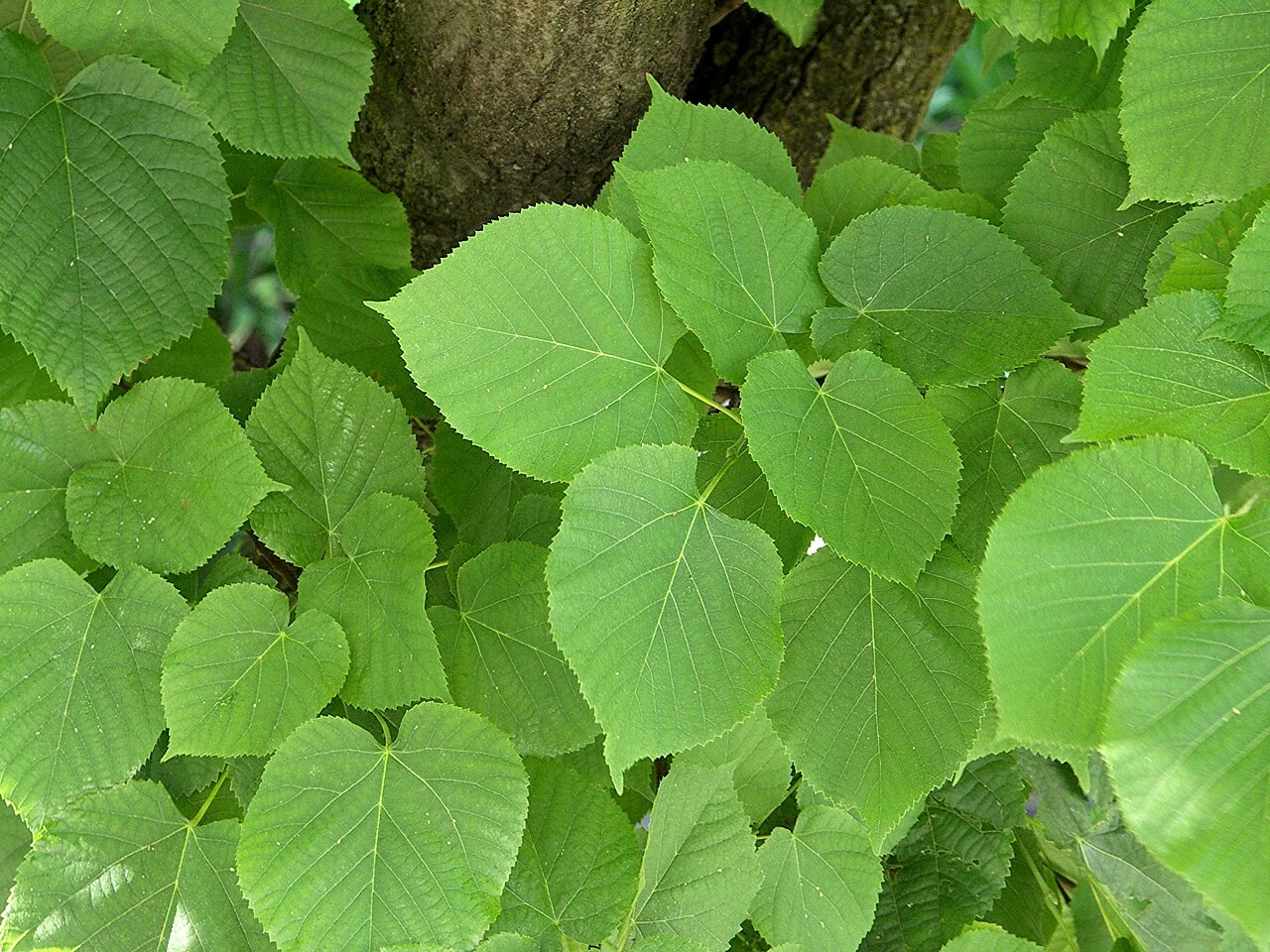
Leaves of Tilia × europaea.
Alvesgaspar / Wikimedia Commons / CC BY-SA 3.0
Resized and converted to WebP. No content edits.
Source: File:Tilia x europea-1.JPG
Reviewed . Source identification, photograph and license reviewed. The image illustrates the named plant; it does not verify dimensions or other plant traits.
Names recorded in our plant catalogue and botanical sources, grouped by language. Usage can vary by region.
Numbered references identify names recorded by an external source. Other names are from our plant catalogue.
Names retained from the referenced botanical profile or table.
Common names from World Plants, version 26.05, reproduced in Catalogue of Life 2026-08-20. License: CC BY.
Published observations for this plant. Each reference supports the information beside it.
Taxonomic treatment in the August 2026 release; the catalogue record name is preserved.
Sources [1]Family in the cited taxonomic treatment.
Sources [1]RHS planting guidance. Choose accessible flowers with pollen and nectar; reduced-resource and double-flowered forms may be unsuitable.
Sources [2]Explicit native locality records in Kew WCVP v16; introduced and doubtful distributions excluded. Continent conversion follows the documented geographic mapping.
Sources [3]Young leaves can be eaten raw and are perfect for salads due to their mild flavor and soft texture. The flowers can be dried and then used to make a refreshing tea that has a delightful honey-like scent. Additionally, the flowers can also serve as a vegetable and even as a substitute for chocolate. Note: older flowers may be toxic, so do not use them. The sap of the plant can be used to make a delicious drink or syrup, which is often used as a sweetener.
References for the information marked with source numbers on this page.
COL26.8 (2026-08-20). Contributing checklist: Synonymic Checklists of the Vascular Plants of the World. This is taxonomic evidence, not an independent ecological study.
Source checked on .
Source data licence: CC BY 4.0.
RHS planting guidance; applicable flower-form restrictions are retained. General recommendations do not measure local nectar or pollen production.
Source checked on .
Native distribution and taxonomic treatment from the official WCVP v16 export (4 June 2026). The link opens the corresponding POWO taxon. Source rows are retained in the native-range audit archive.
Source checked on .
Source data licence: CC BY 3.0.