Tilia x europaea
Common Lime
Explore the size, hardiness, soil, light, edible uses and harvest period of Tilia x europaea.
Plant photos
2 photos · Select to enlarge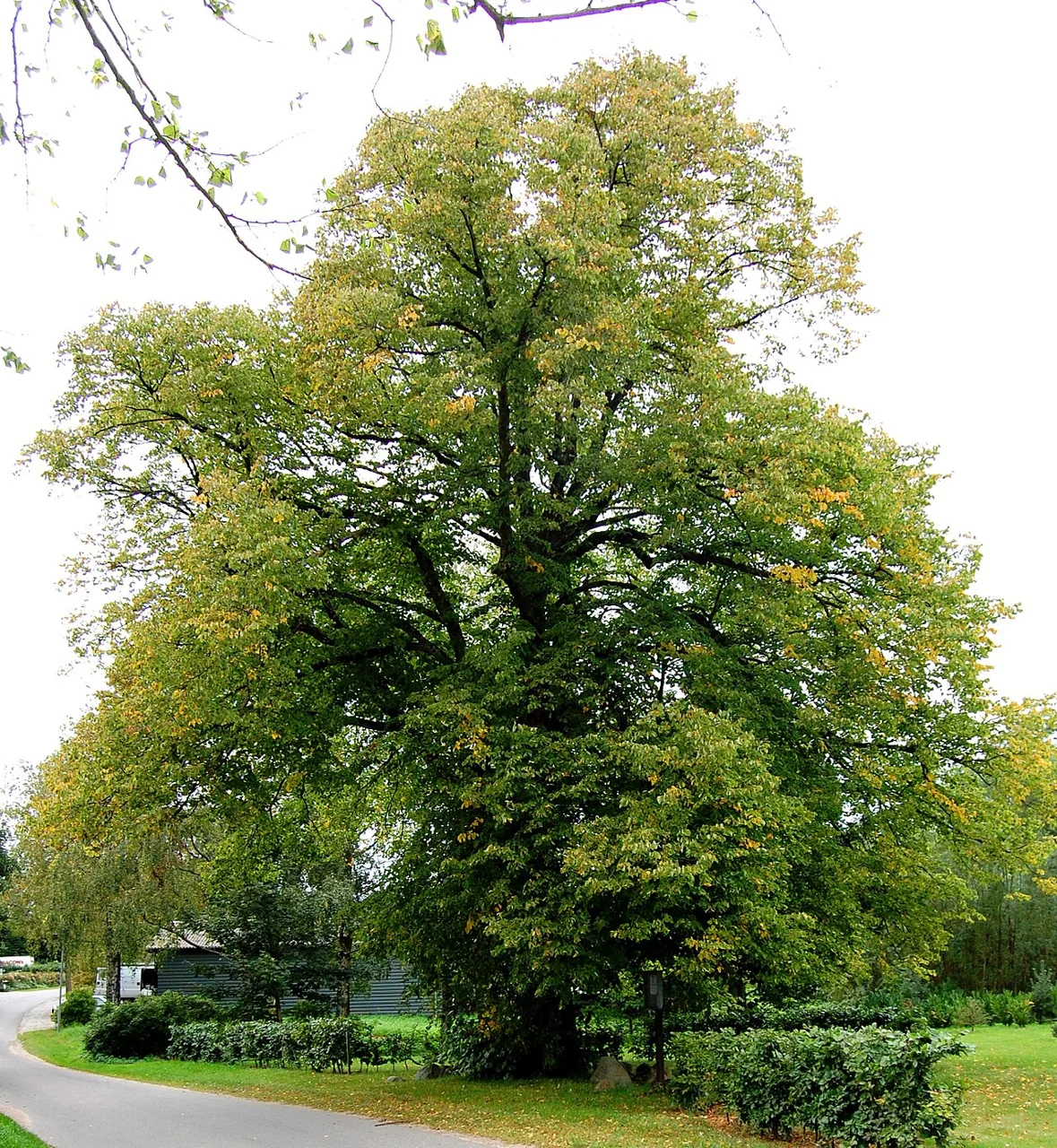
A Tilia × europaea tree.
Zolaria / Wikimedia Commons / CC BY-SA 3.0

Photo details
Resized and converted to WebP. No content edits.
Source: File:Præstens træ.jpg
Reviewed . Source identification, photograph and license reviewed. The image illustrates the named plant; it does not verify dimensions or other plant traits.
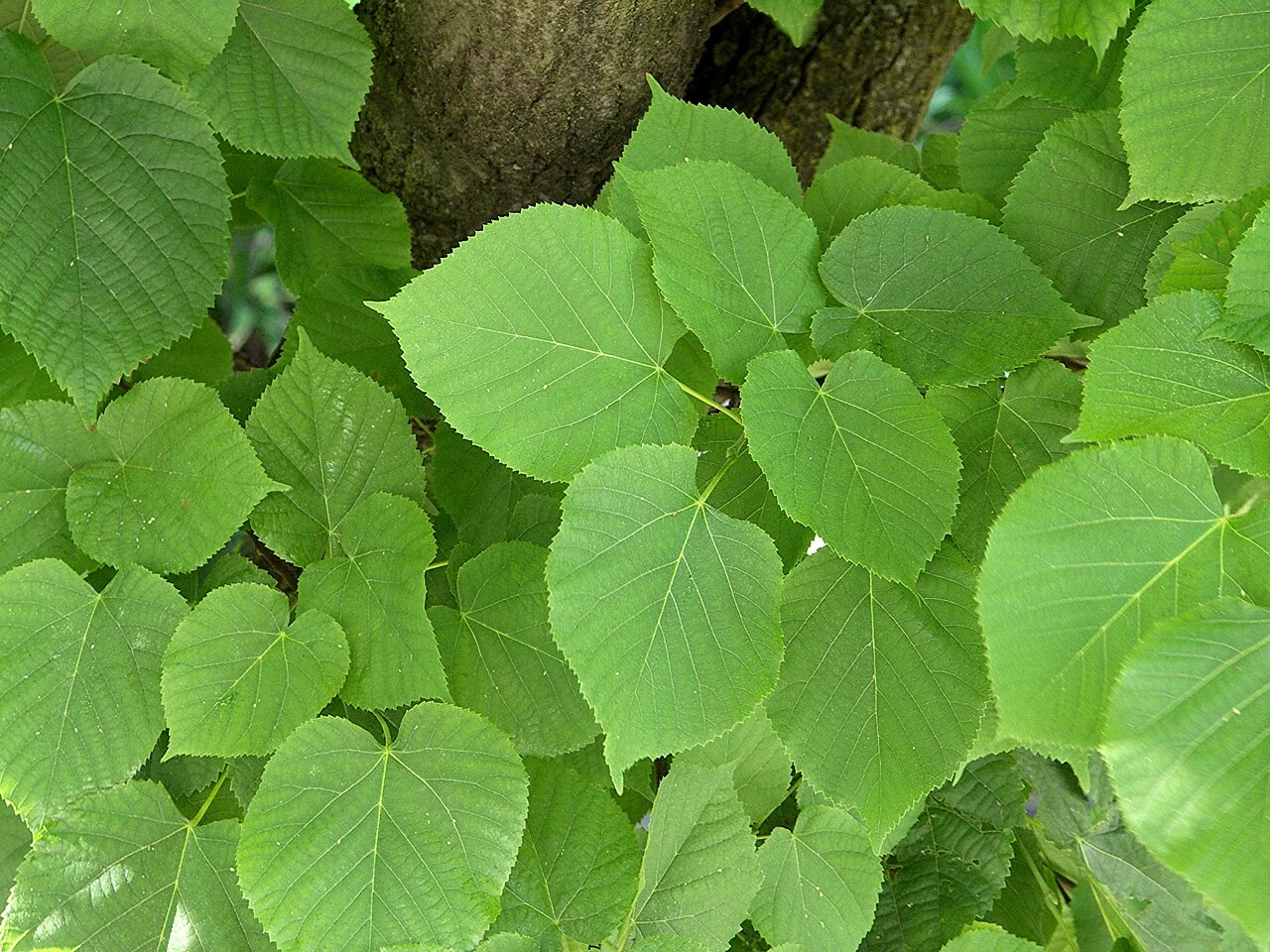
Leaves of Tilia × europaea.
Alvesgaspar / Wikimedia Commons / CC BY-SA 3.0

Photo details
Resized and converted to WebP. No content edits.
Source: File:Tilia x europea-1.JPG
Reviewed . Source identification, photograph and license reviewed. The image illustrates the named plant; it does not verify dimensions or other plant traits.
Common names
7 names · 4 languages- EnglishYour language
-
- Common Lime
- Common linden[1]
Other languages (3)
- Dutch
-
- Europese linde
- Gewone linde
- Hollandse linde
- French
-
- Tilleul commun
- German
-
- Holländische Linde[1]
Sources & name notes (1)
Names recorded in our plant catalogue and botanical sources, grouped by language. Usage can vary by region.
Numbered references identify names recorded by an external source. Other names are from our plant catalogue.
Common names from World Plants, version 26.05, reproduced in Catalogue of Life 2026-08-20. License: CC BY.
Source records
- Common linden (EN); Holländische Linde (DE) — VernacularName.tsv, line 163249; taxon 93LXC.
General information
Plant characteristics
Growing conditions
Moist
Sand (light) Loam (medium) Clay (heavy)
Acidic Neutral Alkaline
Partial shade, Full sun
Uses
Flowers, Leaves, Sap
Charcoal, Fibre, Paper, Wood, Bee forage
Description
Young leaves can be eaten raw and are perfect for salads due to their mild flavor and soft texture. The flowers can be dried and then used to make a refreshing tea that has a delightful honey-like scent. Additionally, the flowers can also serve as a vegetable and even as a substitute for chocolate. Note: older flowers may be toxic, so do not use them. The sap of the plant can be used to make a delicious drink or syrup, which is often used as a sweetener.
Harvest
Crown
Sources and references
References for the information marked with source numbers on this page.
-
Royal Botanic Gardens, Kew
World Checklist of Vascular Plants, version 16, extracted 4 June 2026
Relevant sections
- Taxonomy: WCVP version 16, wcvp_names.csv: Tilia × europaea L., name ID 2518295, row 258682
- Botanical family: WCVP v16, wcvp_names.csv row 258797; name ID 2518358; Tilia L.. Family column.
Source checked on .
Source data licence: CC BY 3.0.
-
Catalogue of Life
Catalogue of Life 2026-08-20 — Tilia × europaea
Taxonomic data from World Plants, version 26.05, reproduced in Catalogue of Life 2026-08-20.
Supports: TaxonomyRelevant sections
- Taxonomy: COL 2026-08-20, NameUsage.tsv line 3641974, ID 93LXC: Tilia × europaea L. (accepted).
Source checked on .