
Honey bees
Nectar value
Low
Pollen value
Low
Salvia officinalis
Linked agroforestry plant data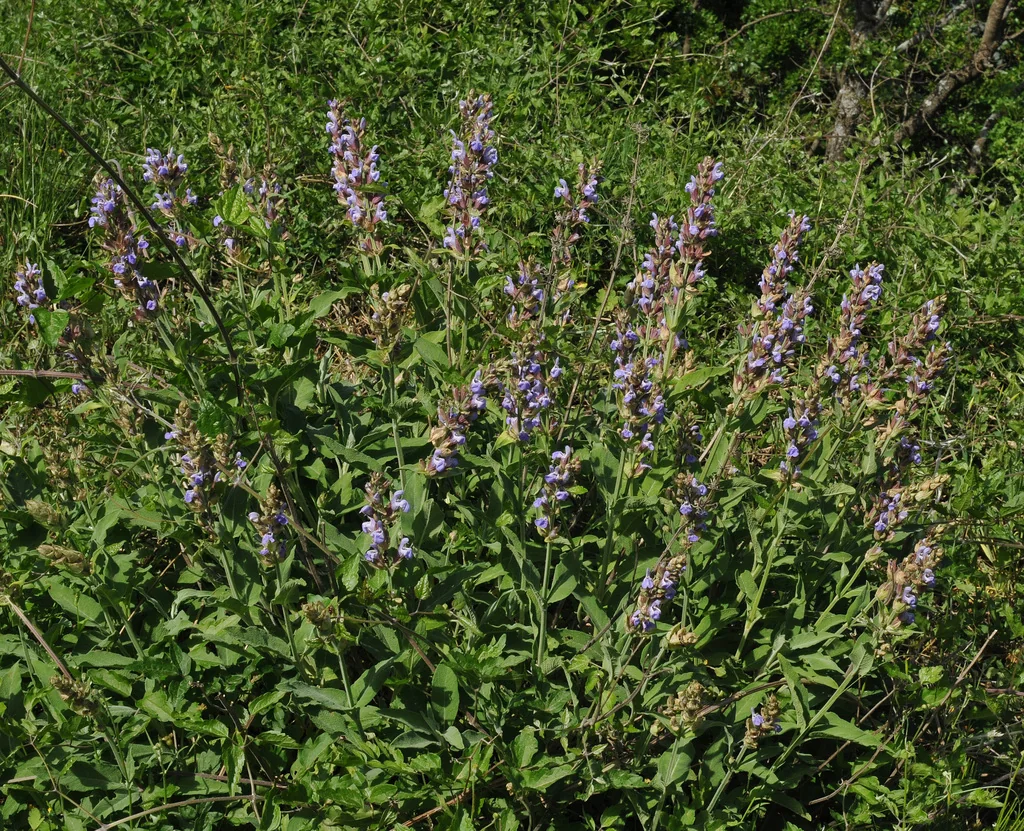
A Salvia officinalis plant with leafy growth and flowering stems.
(c) Todd Boland / iNaturalist / CC BY 4.0
Resized and converted to WebP. No content edits.
Source: iNaturalist photo 119184784
View the observation and community identifications on iNaturalist.
Reviewed . The photographed view, exact taxon scope, current community identifications, per-photo license and source attribution were reviewed. The observation has at least two current agreeing community identifiers and no conflicting current species identification. The image illustrates plant appearance; it does not establish botanical measurements.
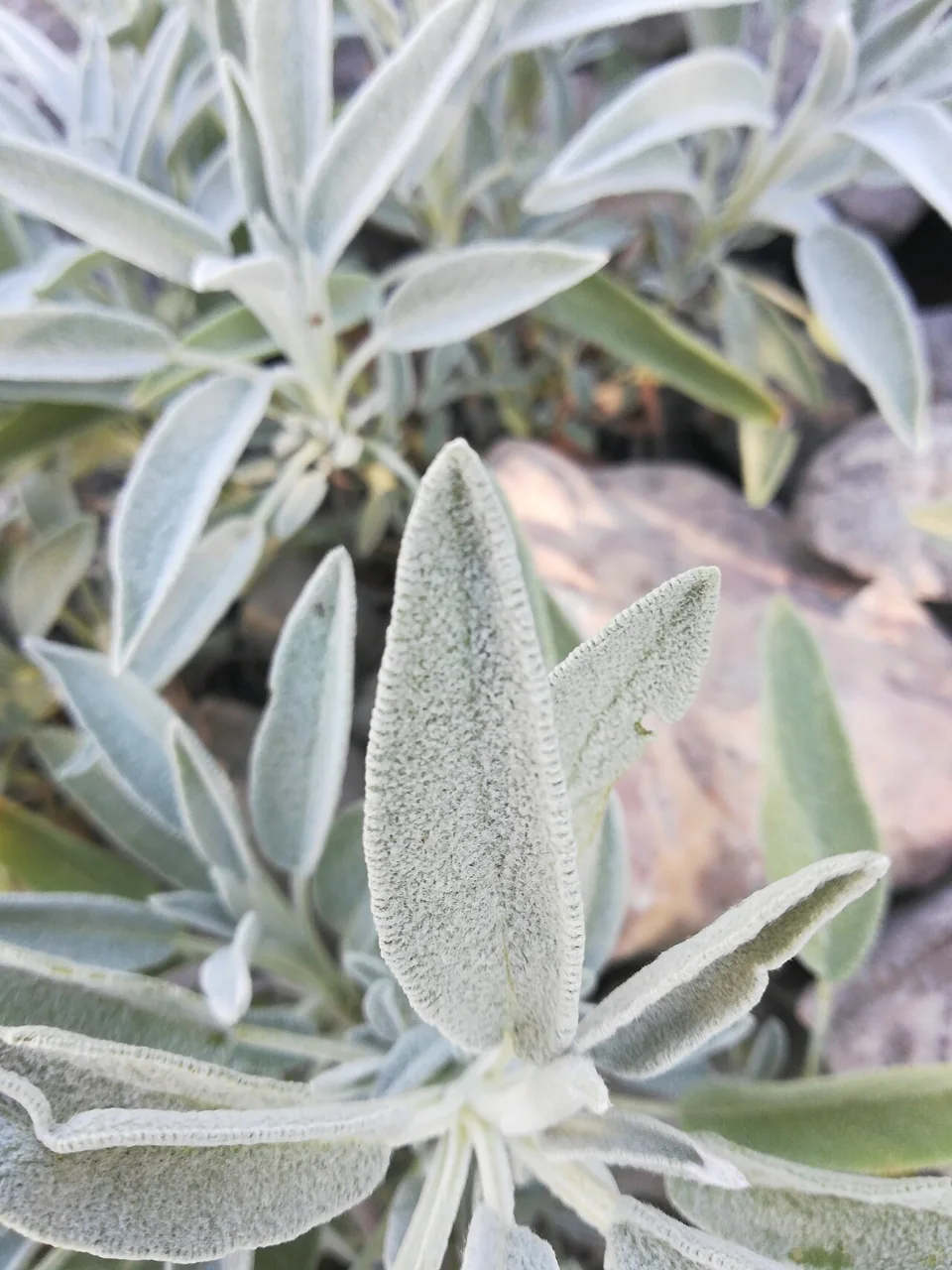
Leaves of Salvia officinalis.
Alina Majcen / Wikimedia Commons / CC0
Resized and converted to WebP. No content edits.
Source: File:Salvia officinalis L. 3355742911.jpg
Reviewed . Source identification, photograph and license reviewed. The image illustrates the named plant; it does not verify dimensions or other plant traits.
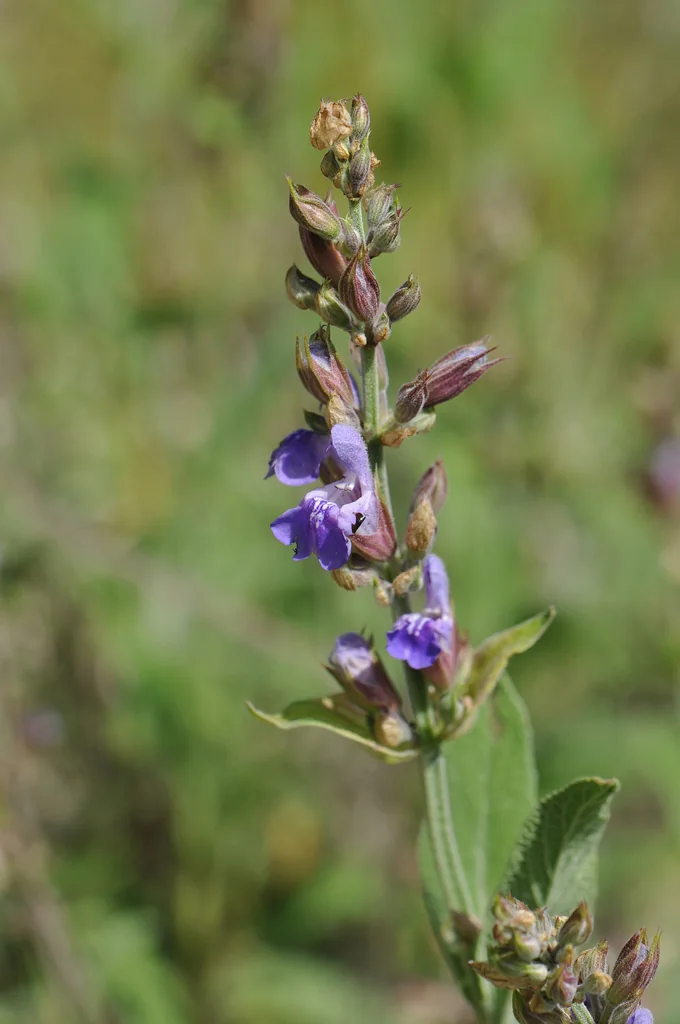
Blue-violet flowers of Salvia officinalis.
(c) Todd Boland / iNaturalist / CC BY 4.0
Resized and converted to WebP. No content edits.
Source: iNaturalist photo 118166855
View the observation and community identifications on iNaturalist.
Reviewed . The photographed view, exact taxon scope, current community identifications, per-photo license and source attribution were reviewed. The observation has at least two current agreeing community identifiers and no conflicting current species identification. The image illustrates plant appearance; it does not establish botanical measurements.
Names recorded in our plant catalogue and botanical sources, grouped by language. Usage can vary by region.
Catalogue language labels are reviewed separately from botanical source records.
Numbered references identify names recorded by an external source. Other names are from our plant catalogue.
NC State Extension Gardener Plant Toolbox; English common names in a United States horticultural reference.
Community-curated iNaturalist taxonomy. This is a common-name attestation, not an independent botanical determination.
Published observations for this plant. Each reference supports the information beside it.
Taxonomic treatment in the August 2026 release; the catalogue record name is preserved.
Sources [1]Family in the cited taxonomic treatment.
Sources [1]NC State Extension profile. Converted from the source range in feet and inches; mature size varies with growing conditions.
Sources [2]NC State Extension profile. Converted from the source range in feet and inches; mature size varies with growing conditions.
Sources [2]NC State Extension profile.
Sources [2]NC State Extension profile.
Sources [2]NC State Extension profile.
Sources [2]NC State Extension profile.
Sources [2]NC State Extension profile.
Sources [2]NC State Extension profile.
Sources [2]NC State Extension profile. These source categories do not certify the catalogue’s numeric pH interval.
Sources [2]NC State Extension profile. Seasons reflect the source region and do not verify the catalogue’s exact flowering months.
Sources [2]NC State Extension profile. Origin reported by the source; this is not a claim of local nativeness.
Sources [2]NC State Extension profile. Broad wildlife categories; this does not establish flower visits by a named bee species or quantify nectar and pollen.
Sources [2]Leaves and flowers can be eaten both raw and cooked. This herb, with strongly aromatic leaves, is often used as a flavoring in cooked dishes. It helps with digestion and is therefore often combined with heavy, fatty foods. It gives a sausage-like flavor to savory dishes. The young leaves and flowers are suitable for raw consumption, cooking, pickling, or as an addition to sandwiches. The flowers can also be sprinkled over salads to add color and fragrance. An herbal tea made from fresh or dried leaves is said to promote digestion. An essential oil from this plant is commercially used to flavor ice cream, candy, pastries, and other products.
References for the information marked with source numbers on this page.
COL26.8 (2026-08-20). Contributing checklist: Synonymic Checklists of the Vascular Plants of the World. This is taxonomic evidence, not an independent ecological study.
Source checked on .
Source data licence: CC BY 4.0.
NC State Extension Gardener Plant Toolbox. Growing conditions and seasons reflect its United States horticultural context.
Source checked on .
RHS planting guidance; applicable flower-form restrictions are retained. General recommendations do not measure local nectar or pollen production.
Source checked on .