Honey bees
Nectar value
High
Pollen value
High
Salix fragilis
Linked agroforestry plant data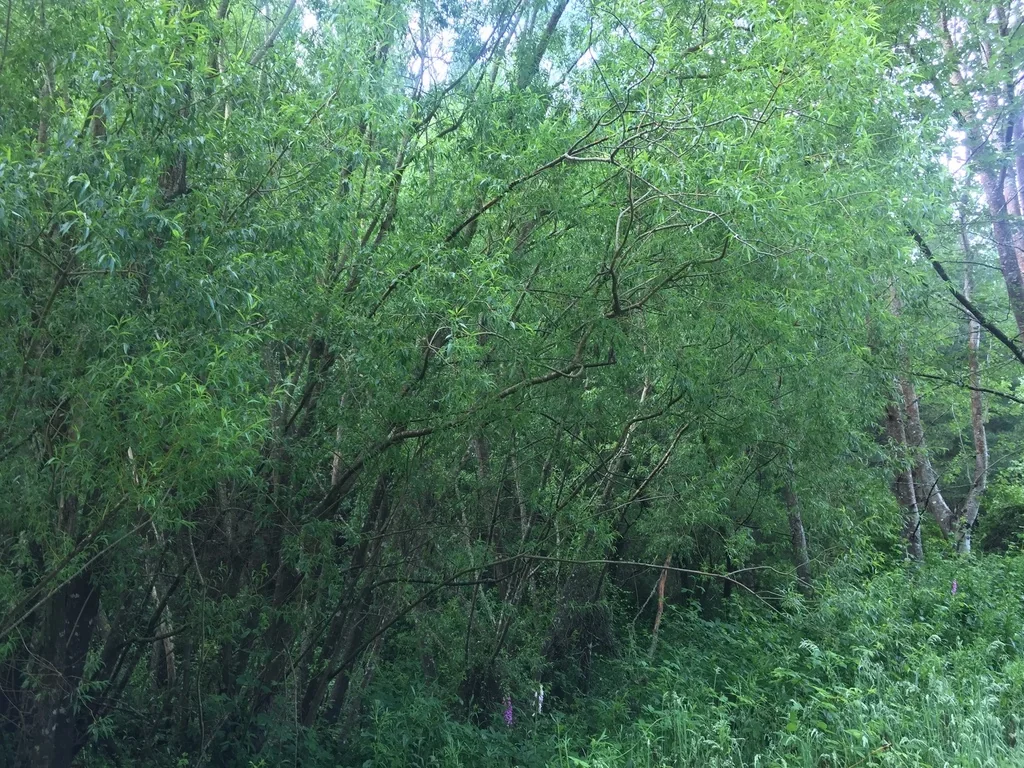
Salix × fragilis with leafy branches overhanging the ground.
(c) nick_goldwater / iNaturalist / CC BY 4.0
Resized and converted to WebP. No content edits.
Source: iNaturalist photo 30021967
View the observation and community identifications on iNaturalist.
Reviewed . The photographed view, exact taxon scope, current community identifications, per-photo license and source attribution were reviewed. The observation has at least two current agreeing community identifiers and no conflicting current species identification. The image illustrates plant appearance; it does not establish botanical measurements.
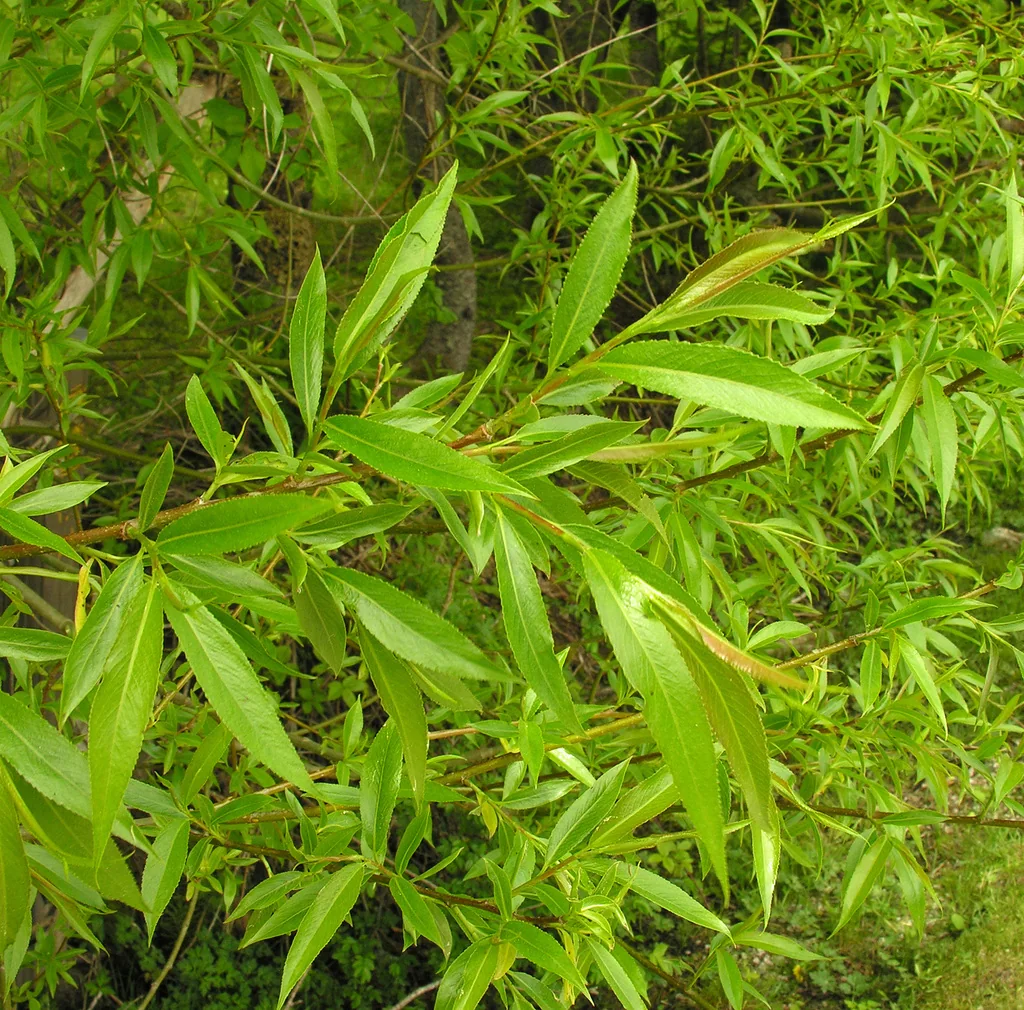
Leaves and young twigs of Salix × fragilis.
(c) Todd Boland / iNaturalist / CC BY 4.0
Resized and converted to WebP. No content edits.
Source: iNaturalist photo 113712665
View the observation and community identifications on iNaturalist.
Reviewed . The photographed view, exact taxon scope, current community identifications, per-photo license and source attribution were reviewed. The observation has at least two current agreeing community identifiers and no conflicting current species identification. The image illustrates plant appearance; it does not establish botanical measurements.
Names recorded in our plant catalogue, grouped by language. Usage can vary by region.
Catalogue language labels are reviewed separately from botanical source records.
Published observations for this plant. Each reference supports the information beside it.
Genus-level classification for Salix; this does not confirm the complete catalogue name.
Sources [1]The inner bark of this plant can be eaten both raw and cooked. After drying, the bark can be ground into powder and added to grain flour for bread-making, for example. The inner bark tastes very bitter, especially when fresh, and is even consumed as food during times of famine. The leaves and young shoots of the plant can also be eaten raw or cooked, although they are not very tasty. They serve as a food source during scarcity or famine, and the leaves can even be used as a tea substitute.
References for the information marked with source numbers on this page.
COL26.8 (2026-08-20). Contributing checklist: Synonymic Checklists of the Vascular Plants of the World. This is taxonomic evidence, not an independent ecological study.
Source checked on .
Source data licence: CC BY 4.0.