Willow
Salix alba
Linked agroforestry plant dataPlant photos
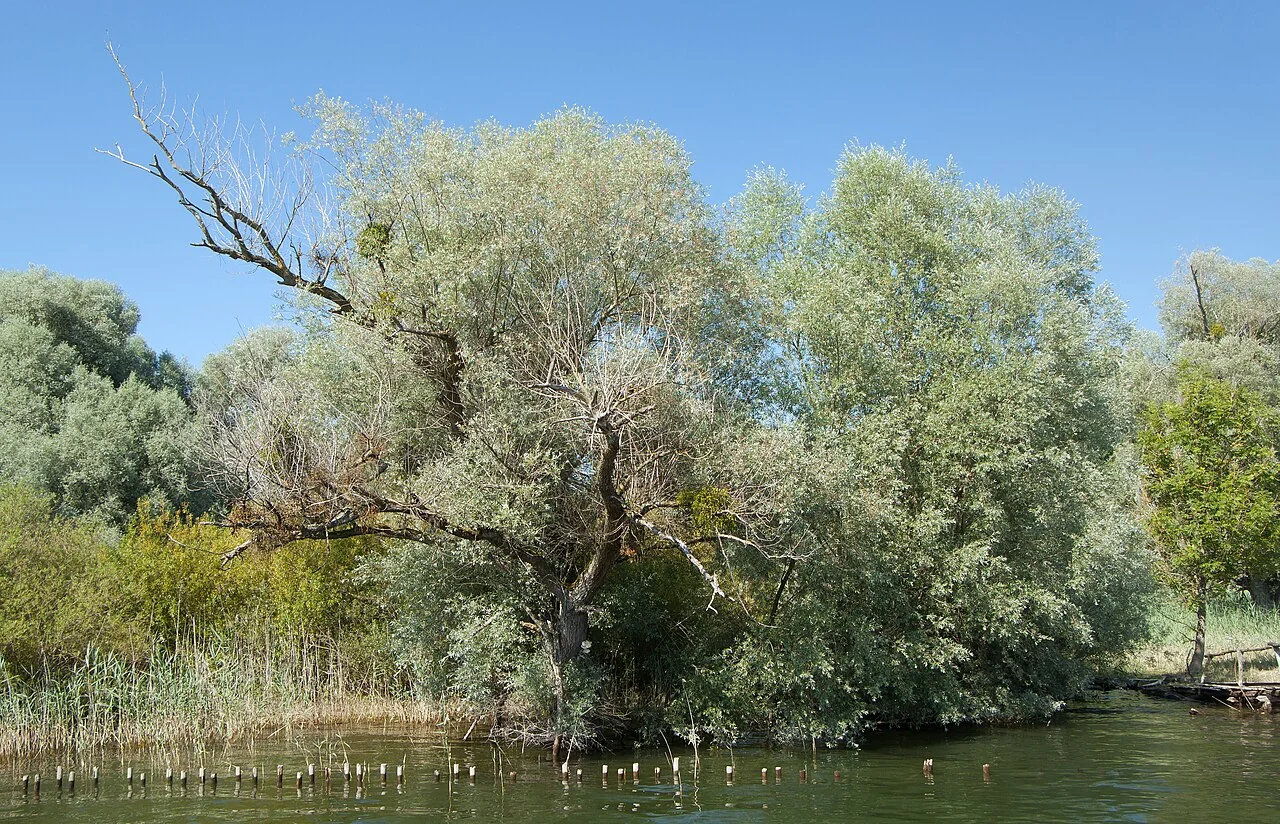
2 photos · Select to enlarge
A Salix alba tree.
H. Zell / Wikimedia Commons / CC BY-SA 3.0
Photo details
Resized and converted to WebP. No content edits.
Source: File:Salix alba - Lake Constance.jpg
Reviewed . Source identification, photograph and license reviewed. The image illustrates the named plant; it does not verify dimensions or other plant traits.
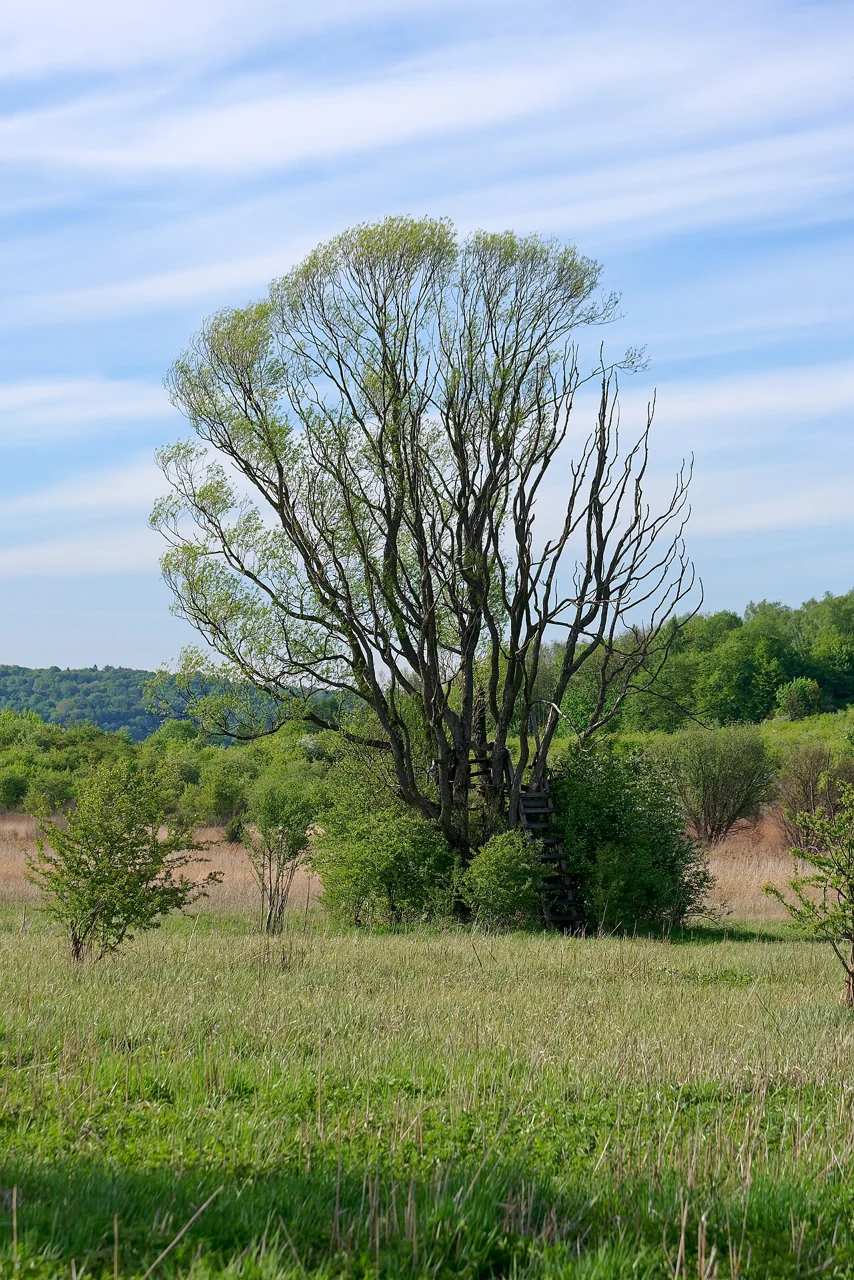
A Salix alba tree.
Jakub Hałun / Wikimedia Commons / CC BY-SA 4.0
Photo details
Resized and converted to WebP. No content edits.
Source: File:20200508 Bielańsko-Tyniecki Park Krajobrazowy 1709 1667.jpg
Reviewed . Source identification, photograph and license reviewed. The image illustrates the named plant; it does not verify dimensions or other plant traits.
Common names
43 names · 34 languagesOther languages (33)
- Arabic
-
- صفصاف أبيض[2]
- Basque
-
- Sahats zuria[2]
- Belarusian
-
- Вярба белая, ці Белалоз[2]
- Catalan
-
- Salze blanc[2]
- Cherokee
-
- ᏗᎳᎦᎵᏍᎩ ᎡᏆ[2]
- Chinese (Simplified)
-
- 白柳[2]
- Chinese (Traditional)
-
- 白柳[2]
- Croatian
-
- Bijela vrba[2]
- Czech
-
- vrba bílá[2]
- Danish
-
- Hvid-pil[2]
- Finnish
-
- Valkosalava[2]
- Hebrew
-
- ערבה לבנה[2]
- Hungarian
-
- Fehér fűz[2]
- Japanese
-
- セイヨウシロヤナギ[2]
- Kurdish
-
- دار بی سپی[2]
- Latvian
-
- Baltais vītols[2]
- Lithuanian
-
- Baltasis gluosnis[2]
- Norwegian
-
- hvitpil[2]
- Polish
-
- Wierzba biała[2]
- Russian
-
- Ива белая[2]
- Slovak
-
- vŕba biela[2]
- Slovenian
-
- bela vrba[2]
- Swedish
-
- Vitpil[2]
- Ukrainian
-
- Верба біла[2]
Sources & name notes (3)
Names recorded in our plant catalogue and botanical sources, grouped by language. Usage can vary by region.
Catalogue language labels are reviewed separately from botanical source records.
Numbered references identify names recorded by an external source. Other names are from our plant catalogue.
Community-curated iNaturalist taxonomy. This is a common-name attestation, not an independent botanical determination.
Source records
- Schietwilg — results[0].names[9]; taxon id 54841; Salix alba.
- Saule blanc — results[0].names[5]; taxon id 54841; Salix alba.
- white willow — results[0].names[1]; taxon id 54841; Salix alba.
- Silber-Weide — results[0].names[39]; taxon id 54841; Salix alba.
- Cricket-bat Willow — results[0].names[35]; taxon id 54841; Salix alba.
- sauce blanco — results[0].names[7]; taxon id 54841; Salix alba.
- Salice bianco — results[0].names[13]; taxon id 54841; Salix alba.
- Vimeiro-branco — results[0].names[4]; taxon id 54841; Salix alba.
Community-curated iNaturalist taxonomy; common-name attestation, not an independent botanical determination.
Source records
- Schietwilg — results[0].names[9]; taxon id 54841; Salix alba.
- Saule blanc — results[0].names[5]; taxon id 54841; Salix alba.
- white willow — results[0].names[1]; taxon id 54841; Salix alba.
- Silber-Weide — results[0].names[39]; taxon id 54841; Salix alba.
- Cricket-bat Willow — results[0].names[35]; taxon id 54841; Salix alba.
- sauce blanco — results[0].names[7]; taxon id 54841; Salix alba.
- Salice bianco — results[0].names[13]; taxon id 54841; Salix alba.
- Vimeiro-branco — results[0].names[4]; taxon id 54841; Salix alba.
- ערבה לבנה — results[0].names[3]; taxon id 54841; Salix alba.
- Vitpil — results[0].names[6]; taxon id 54841; Salix alba.
- vrba bílá — results[0].names[8]; taxon id 54841; Salix alba.
- Ива белая — results[0].names[10]; taxon id 54841; Salix alba.
- Valkosalava — results[0].names[11]; taxon id 54841; Salix alba.
- hvitpil — results[0].names[12]; taxon id 54841; Salix alba.
- Wierzba biała — results[0].names[14]; taxon id 54841; Salix alba.
- Baltasis gluosnis — results[0].names[15]; taxon id 54841; Salix alba.
- vŕba biela — results[0].names[16]; taxon id 54841; Salix alba.
- صفصاف أبيض — results[0].names[17]; taxon id 54841; Salix alba.
- セイヨウシロヤナギ — results[0].names[18]; taxon id 54841; Salix alba.
- hõberemmelgas — results[0].names[19]; taxon id 54841; Salix alba.
- hõbepaju — results[0].names[20]; taxon id 54841; Salix alba.
- Λευκή ιτιά — results[0].names[21]; taxon id 54841; Salix alba.
- Ιτέα η λευκή — results[0].names[22]; taxon id 54841; Salix alba.
- Salze blanc — results[0].names[23]; taxon id 54841; Salix alba.
- 白柳 — results[0].names[24]; taxon id 54841; Salix alba.
- 白柳 — results[0].names[25]; taxon id 54841; Salix alba.
- Hvid-pil — results[0].names[26]; taxon id 54841; Salix alba.
- Верба біла — results[0].names[27]; taxon id 54841; Salix alba.
- Вярба белая, ці Белалоз — results[0].names[28]; taxon id 54841; Salix alba.
- bela vrba — results[0].names[29]; taxon id 54841; Salix alba.
- Baltais vītols — results[0].names[30]; taxon id 54841; Salix alba.
- Bijela vrba — results[0].names[31]; taxon id 54841; Salix alba.
- Fehér fűz — results[0].names[32]; taxon id 54841; Salix alba.
- ᏗᎳᎦᎵᏍᎩ ᎡᏆ — results[0].names[33]; taxon id 54841; Salix alba.
- Beyaz Salkım Söğüt — results[0].names[34]; taxon id 54841; Salix alba.
- Ak Söğüt — results[0].names[36]; taxon id 54841; Salix alba.
- دار بی سپی — results[0].names[37]; taxon id 54841; Salix alba.
- Sahats zuria — results[0].names[38]; taxon id 54841; Salix alba.
NC State Extension Gardener Plant Toolbox; English common names in a United States horticultural reference.
Source records
- White Willow — ul#common_names > li:nth-of-type(3); heading: Common Name(s):; Salix alba.
- Huntingdon Willow — ul#common_names > li:nth-of-type(1); heading: Common Name(s):; Salix alba.
- Swallow-tailed Willow — ul#common_names > li:nth-of-type(2); heading: Common Name(s):; Salix alba.
Source-backed information
Published observations for this plant. Each reference supports the information beside it.
- Botanical family
-
Salicaceae
Genus-level classification for Salix; this does not confirm the complete catalogue name.
Sources [1] - Taxonomy
-
NC State Extension publishes a profile under Salix alba.
Profile-name match; no accepted-name status is asserted.
Sources [2] - Mature height
-
15.24–21.34 m
NC State Extension profile. Converted from the source range in feet and inches; mature size varies with growing conditions.
Sources [2] - Mature spread
-
12.19–21.34 m
NC State Extension profile. Converted from the source range in feet and inches; mature size varies with growing conditions.
Sources [2] - Plant habit
-
Erect; Multi-stemmed; Rounded; Weeping
NC State Extension profile.
Sources [2] - Growth rate
-
Rapid
NC State Extension profile.
Sources [2] - Foliage
-
Deciduous
NC State Extension profile.
Sources [2] - Light
-
Full sun (6 or more hours of direct sunlight a day); Partial Shade (Direct sunlight only part of the day, 2-6 hours)
NC State Extension profile.
Sources [2] - Moisture and drainage
-
Good Drainage; Moist; Occasional Flooding; Occasionally Wet
NC State Extension profile.
Sources [2] - Soil texture
-
Clay; Loam (Silt); Sand
NC State Extension profile.
Sources [2] - Soil pH
-
Acid (<6.0); Alkaline (>8.0); Neutral (6.0-8.0)
NC State Extension profile. These source categories do not certify the catalogue’s numeric pH interval.
Sources [2] - Flowering season
-
Spring
NC State Extension profile. Seasons reflect the source region and do not verify the catalogue’s exact flowering months.
Sources [2] - Native range
-
Europe, North Africia, and Central Asia
NC State Extension profile. Origin reported by the source; this is not a claim of local nativeness.
Sources [2]
Who this plant supports
Complete plant information
Structure
- Vegetation layer
- Tree
- Size
- Medium
- Dimensions
- 25.00 m high × 10.00 m wide
- Growth rate
- Slow
- Lifecycle
- Perennial
- Foliage
- Deciduous
Site conditions
- USDA hardiness
- 2-8
- Moisture
- Moist, Wet
- Soil
- Sandy, Loamy, Clay
- pH
- Acid, Neutral, Alkaline
- Light
- Sun
Uses
- Edible parts
- Leaves, Inner bark, Tea
- Functions
- Basketry, Charcoal, Paper, Pioneer plant, Windbreak, Timber, Pollinator plant
- Edibility
- 1 out of 5
- Medicinal value
- 3 out of 5
Inner bark can be eaten both raw and cooked. The bark can be dried, ground into powder, and added to grain flour to make bread. It has a bitter taste, especially when fresh, and is sometimes consumed during food shortages. Leaves and young shoots can also be eaten raw or cooked. Although they are not very tasty, they are used in times of scarcity or famine. The leaves can even serve as a tea substitute.
Sources and references
References for the information marked with source numbers on this page.
-
Catalogue of Life
Salix — Catalogue of Life COL26.8
COL26.8 (2026-08-20). Contributing checklist: Synonymic Checklists of the Vascular Plants of the World. This is taxonomic evidence, not an independent ecological study.
Supports: Botanical familyRelevant sections
- Botanical family: NameUsage.tsv line 2689067; ID 7BWB; rank genus; status accepted
Source checked on .
Source data licence: CC BY 4.0.
-
NC State Extension
Salix alba — Plant Toolbox
NC State Extension Gardener Plant Toolbox. Growing conditions and seasons reflect its United States horticultural context.
Supports: TaxonomyMature heightMature spreadPlant habitGrowth rateFoliageLightMoisture and drainageSoil textureSoil pHFlowering seasonNative rangeRelevant sections
- Taxonomy: Main botanical heading (h1)
- Mature height: Dimensions / Height
- Mature spread: Dimensions / Width
- Plant habit: Habit/Form
- Growth rate: Growth Rate
- Foliage: Woody Plant Leaf Characteristics
- Light: Light
- Moisture and drainage: Soil Drainage
- Soil texture: Soil Texture
- Soil pH: Soil pH
- Flowering season: Flower Bloom Time
- Native range: Country Or Region Of Origin
Source checked on .