_Blumeng%C3%A4rten_Hirschstetten_Wien_2014_c.jpg)

Honey bees
Nectar value
High
Pollen value
Unknown
Lavandula angustifolia
Linked agroforestry plant data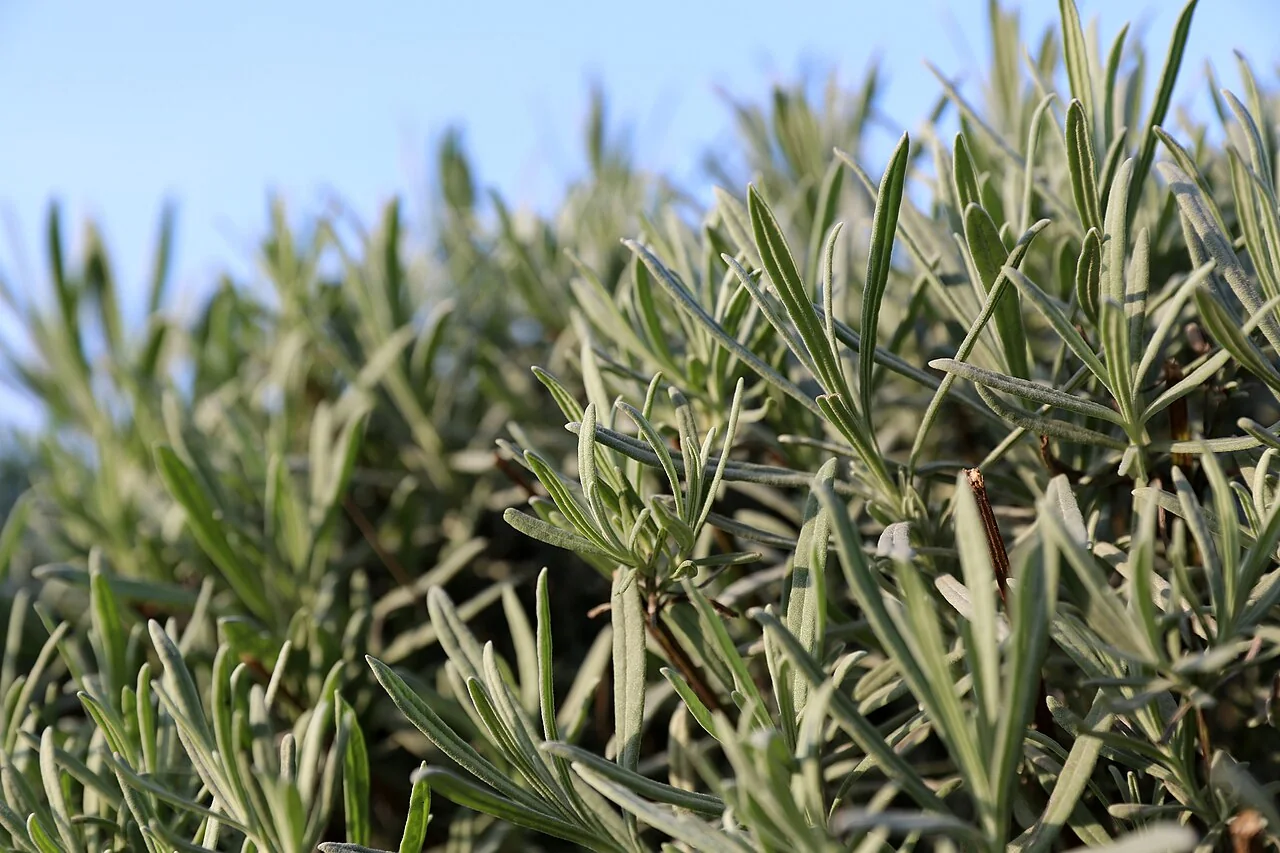
Foliage of Lavandula angustifolia cultivar 'Mailette'.
Manfred Werner - Tsui / Wikimedia Commons / CC BY-SA 3.0
Resized and converted to WebP. No content edits.
Source: File:Lavendel Mailette (Lavandula angustifolia) Blumengärten Hirschstetten Wien 2014 c.jpg
Reviewed . Source identification, photograph and license reviewed. The image illustrates the named plant; it does not verify dimensions or other plant traits.
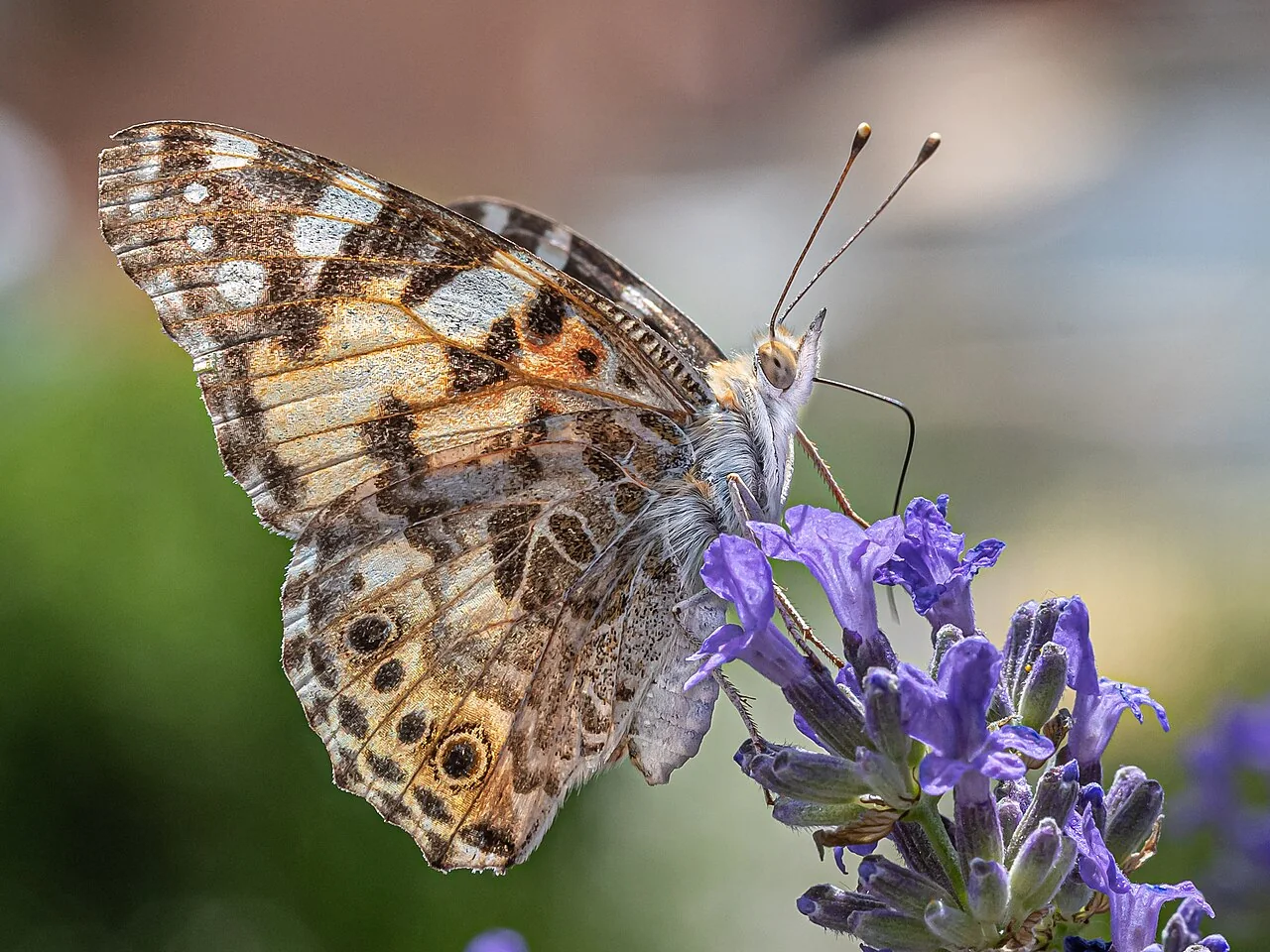
A painted lady butterfly visiting Lavandula angustifolia flowers.
Isiwal/Wikimedia Commons/CC BY-SA 4.0 / Wikimedia Commons / CC BY-SA 4.0
Resized and converted to WebP. No content edits.
Source: File:Vanessa cardui on Lavandula angustifolia-2459.jpg
Reviewed . Source identification, photograph and license reviewed. The image illustrates the named plant; it does not verify dimensions or other plant traits.
Names recorded in our plant catalogue and botanical sources, grouped by language. Usage can vary by region.
Catalogue language labels are reviewed separately from botanical source records.
Numbered references identify names recorded by an external source. Other names are from our plant catalogue.
NC State Extension Gardener Plant Toolbox; English common names in a United States horticultural reference.
Community-curated iNaturalist taxonomy. This is a common-name attestation, not an independent botanical determination.
Published observations for this plant. Each reference supports the information beside it.
Genus-level classification for Lavandula; this does not confirm the complete catalogue name.
Sources [1]Profile-name match; no accepted-name status is asserted.
Sources [2]NC State Extension profile. Converted from the source range in feet and inches; mature size varies with growing conditions.
Sources [2]NC State Extension profile. Converted from the source range in feet and inches; mature size varies with growing conditions.
Sources [2]NC State Extension profile.
Sources [2]NC State Extension profile.
Sources [2]NC State Extension profile.
Sources [2]NC State Extension profile.
Sources [2]NC State Extension profile.
Sources [2]NC State Extension profile.
Sources [2]NC State Extension profile.
Sources [2]NC State Extension profile. These source categories do not certify the catalogue’s numeric pH interval.
Sources [2]NC State Extension profile. Seasons reflect the source region and do not verify the catalogue’s exact flowering months.
Sources [2]NC State Extension profile. Origin reported by the source; this is not a claim of local nativeness.
Sources [2]NC State Extension profile. Broad wildlife categories; this does not establish flower visits by a named bee species or quantify nectar and pollen.
Sources [2]Lavender is a commonly used herb in households, well known for its delightful scent, but it also has medicinal properties. This herb is known for its calming effects on the nervous system and is often used for relaxation. The dried flowers can be used in tinctures, or the essential oil can be extracted and applied to the skin as an antiseptic for wound healing. The essential oil of lavender is milder than most other oils and can be safely applied to the skin. It has antiseptic, calming, and tonic properties and is also used in aromatherapy. Lavender is effective in treating various ailments such as headaches, burns, insect bites, and is a useful addition to bathwater. It is known for its powerful antiseptic action against various bacteria and can even be used as an antidote for snake bites. Lavender oil is approved for use in herbal medicine, particularly for improving appetite, according to the German Commission E monographs.
References for the information marked with source numbers on this page.
COL26.8 (2026-08-20). Contributing checklist: Synonymic Checklists of the Vascular Plants of the World. This is taxonomic evidence, not an independent ecological study.
Source checked on .
Source data licence: CC BY 4.0.
NC State Extension Gardener Plant Toolbox. Growing conditions and seasons reflect its United States horticultural context.
Source checked on .