mouse-eared hawkweed
Hieracium pilosella
Plant photos
2 photos · Select to enlarge
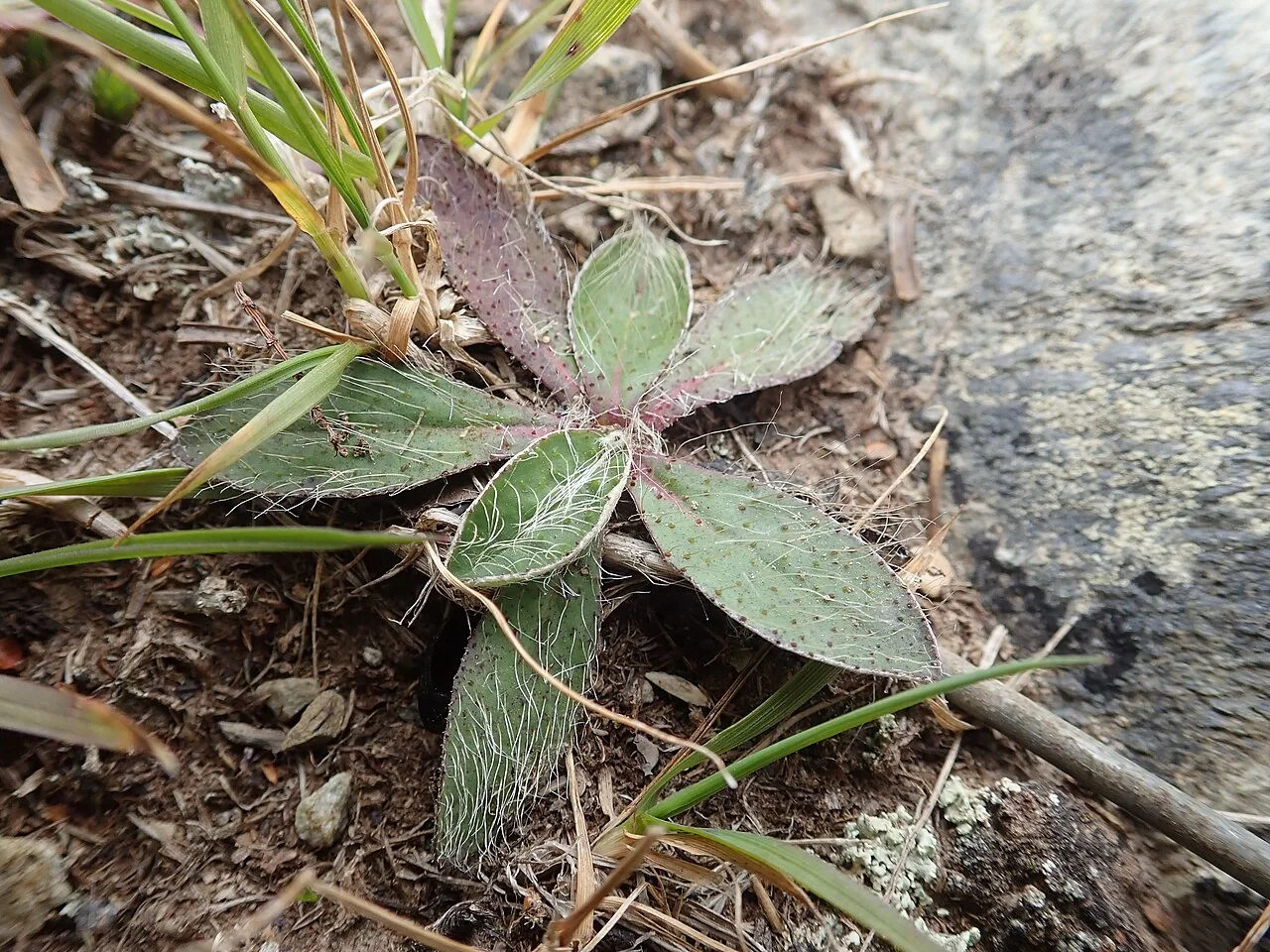
Hairy basal leaves of Hieracium pilosella.
Stitchingbushwalker / Wikimedia Commons / CC BY-SA 4.0
Photo details
Resized and converted to WebP. No content edits.
Source: File:P3038214 Pilosella officinarum - Mouse-ear Hawkweed.jpg
Reviewed . The actual photograph, source identification and reuse license were reviewed. The image illustrates the source-identified plant; it does not verify measurements or pollinator ratings.
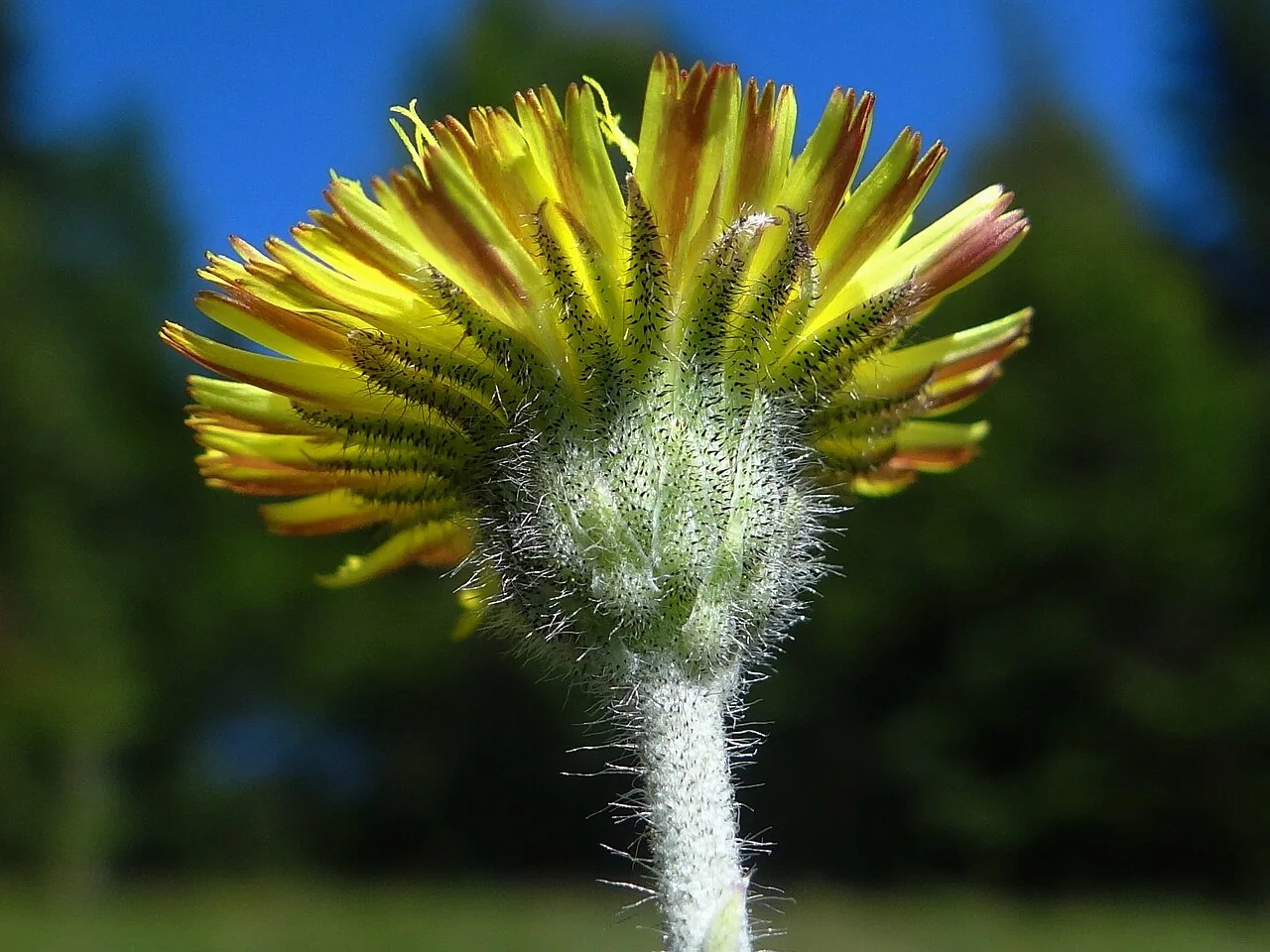
Side view of a yellow flower head of Hieracium pilosella.
Jerzy Opioła / Wikimedia Commons / CC BY-SA 3.0
Photo details
Resized and converted to WebP. No content edits.
Source: File:Hieracium pilosella Ł2.jpg
Reviewed . The actual photograph, source identification and reuse license were reviewed. The image illustrates the source-identified plant; it does not verify measurements or pollinator ratings.
Common names
39 names · 27 languagesOther languages (26)
- Belarusian
-
- Ястрабок валасісты, ці Ястрэц[2]
- Chinese (Traditional)
-
- 鼠耳細毛菊[2]
- Croatian
-
- Mala runjika[2]
- Danish
-
- Håret høgeurt[2]
- Estonian
-
- harilik karutubakas[2]
- Finnish
-
- Huopavoikeltano[2]
- Hungarian
-
- ezüstös hölgymál[2]
- Irish
-
- Searbh na muc[2]
- Japanese
-
- ハイコウリンタンポポ[2]
- Lithuanian
-
- Vienagraižė vanagutė[2]
- Norwegian
-
- hårsveve[2]
- Russian
-
- Ястребиночка обыкновенная[2]
- Slovak
-
- chlpánik obyčajný[2]
- Slovenian
-
- Dolgodlakava škržolica[2]
- Swedish
-
- Gråfibbla[2]
- Ukrainian
-
- Нечуйвітер волохатенький[2]
Sources & name notes (5)
Names recorded in our plant catalogue and botanical sources, grouped by language. Usage can vary by region.
Catalogue language labels are reviewed separately from botanical source records.
Numbered references identify names recorded by an external source. Other names are from our plant catalogue.
Community-curated iNaturalist taxonomy. This is a common-name attestation, not an independent botanical determination.
Source records
- Kleines Habichtskraut — results[0].names[4]; taxon id 402509; Pilosella officinarum.
- Mausohr-Habichtskraut — results[0].names[3]; taxon id 402509; Pilosella officinarum.
- Mouse-Ear — results[0].names[7]; taxon id 402509; Pilosella officinarum.
- Mouse-ear Hawkweed — results[0].names[5]; taxon id 402509; Pilosella officinarum.
- mouse-eared hawkweed — results[0].names[2]; taxon id 402509; Pilosella officinarum.
- Vellosilla — results[0].names[36]; taxon id 402509; Pilosella officinarum.
- Pilloselle officinale — results[0].names[6]; taxon id 402509; Pilosella officinarum.
- Piloselle — results[0].names[9]; taxon id 402509; Pilosella officinarum.
- Épervière piloselle — results[0].names[34]; taxon id 402509; Pilosella officinarum.
- Pelosella pelosetta — results[0].names[32]; taxon id 402509; Pilosella officinarum.
- Muizenoor — results[0].names[12]; taxon id 402509; Pilosella officinarum.
- Pilosela-das-boticas — results[0].names[33]; taxon id 402509; Pilosella officinarum.
Community-curated iNaturalist taxonomy; common-name attestation, not an independent botanical determination.
Source records
- Kleines Habichtskraut — results[4].names[4]; taxon id 402509; Pilosella officinarum.
- Mausohr-Habichtskraut — results[4].names[3]; taxon id 402509; Pilosella officinarum.
- Mouse-Ear — results[4].names[7]; taxon id 402509; Pilosella officinarum.
- Mouse-ear Hawkweed — results[4].names[5]; taxon id 402509; Pilosella officinarum.
- mouse-eared hawkweed — results[4].names[2]; taxon id 402509; Pilosella officinarum.
- Vellosilla — results[4].names[36]; taxon id 402509; Pilosella officinarum.
- Pilloselle officinale — results[4].names[6]; taxon id 402509; Pilosella officinarum.
- Piloselle — results[4].names[9]; taxon id 402509; Pilosella officinarum.
- Épervière piloselle — results[4].names[34]; taxon id 402509; Pilosella officinarum.
- Pelosella pelosetta — results[4].names[32]; taxon id 402509; Pilosella officinarum.
- Muizenoor — results[4].names[12]; taxon id 402509; Pilosella officinarum.
- Pilosela-das-boticas — results[4].names[33]; taxon id 402509; Pilosella officinarum.
- chlupáček zední — results[4].names[1]; taxon id 402509; Pilosella officinarum.
- Ястребиночка обыкновенная — results[4].names[8]; taxon id 402509; Pilosella officinarum.
- Håret høgeurt — results[4].names[10]; taxon id 402509; Pilosella officinarum.
- Gråfibbla — results[4].names[11]; taxon id 402509; Pilosella officinarum.
- jestřábník chlupáček — results[4].names[13]; taxon id 402509; Pilosella officinarum.
- Huopavoikeltano — results[4].names[14]; taxon id 402509; Pilosella officinarum.
- hårsveve — results[4].names[15]; taxon id 402509; Pilosella officinarum.
- Vienagraižė vanagutė — results[4].names[16]; taxon id 402509; Pilosella officinarum.
- Jastrzębiec kosmaczek — results[4].names[17]; taxon id 402509; Pilosella officinarum.
- chlpánik obyčajný — results[4].names[18]; taxon id 402509; Pilosella officinarum.
- harilik karutubakas — results[4].names[19]; taxon id 402509; Pilosella officinarum.
- 药用细毛菊 — results[4].names[20]; taxon id 402509; Pilosella officinarum.
- 鼠耳細毛菊 — results[4].names[21]; taxon id 402509; Pilosella officinarum.
- 鼠耳细毛菊 — results[4].names[22]; taxon id 402509; Pilosella officinarum.
- Mala runjika — results[4].names[23]; taxon id 402509; Pilosella officinarum.
- Нечуйвітер волохатенький — results[4].names[24]; taxon id 402509; Pilosella officinarum.
- Ястрабок валасісты, ці Ястрэц — results[4].names[25]; taxon id 402509; Pilosella officinarum.
- Dolgodlakava škržolica — results[4].names[26]; taxon id 402509; Pilosella officinarum.
- ezüstös hölgymál — results[4].names[27]; taxon id 402509; Pilosella officinarum.
- ハイコウリンタンポポ — results[4].names[28]; taxon id 402509; Pilosella officinarum.
- Matainā pamauraga — results[4].names[29]; taxon id 402509; Pilosella officinarum.
- Mazā mauraga — results[4].names[30]; taxon id 402509; Pilosella officinarum.
- Searbh na muc — results[4].names[31]; taxon id 402509; Pilosella officinarum.
- Kosmaczek pospolity — results[4].names[35]; taxon id 402509; Pilosella officinarum.
NC State Extension Gardener Plant Toolbox; English common names in a United States horticultural reference.
Source records
- Mouse-ear Hawkweed — ul#common_names > li:nth-of-type(1); heading: Common Name(s):; Pilosella officinarum.
Names retained from the referenced botanical profile or table.
Source records
- mouse-ear hawkweed — Page 4, column 1, row top 277 pt; common-name cell after Pilosella officinarum.; Pilosella officinarum.
Common names from World Plants, version 26.05, reproduced in Catalogue of Life 2026-08-20. License: CC BY.
Source records
- Kleines Mausohrhabichtskraut (DE) — VernacularName.tsv, line 141622; taxon 4HV2W.
- Mouse-ear-hawkweed (EN) — VernacularName.tsv, line 141623; taxon 4HV2W.
Source-backed information
Published observations for this plant. Each reference supports the information beside it.
- Taxonomy
- Catalogue of Life treats Hieracium pilosella as a synonym of Pilosella officinarum.
- Botanical family
-
Asteraceae
Family in the cited taxonomic treatment.
Sources [2] - Plant habit
-
Clumping; Dense; Spreading
NC State Extension profile, published as Pilosella officinarum; accepted-name linkage follows Catalogue of Life.
Sources [3] - Life cycle
-
Perennial
NC State Extension profile, published as Pilosella officinarum; accepted-name linkage follows Catalogue of Life.
Sources [3] - Growth rate
-
Rapid
NC State Extension profile, published as Pilosella officinarum; accepted-name linkage follows Catalogue of Life.
Sources [3] - Light
-
Full sun (6 or more hours of direct sunlight a day); Partial Shade (Direct sunlight only part of the day, 2-6 hours)
NC State Extension profile, published as Pilosella officinarum; accepted-name linkage follows Catalogue of Life.
Sources [3] - Moisture and drainage
-
Good Drainage; Occasionally Dry; Very Dry
NC State Extension profile, published as Pilosella officinarum; accepted-name linkage follows Catalogue of Life.
Sources [3] - Soil texture
-
Clay; Loam (Silt); Sand
NC State Extension profile, published as Pilosella officinarum; accepted-name linkage follows Catalogue of Life.
Sources [3] - Soil pH
-
Acid (<6.0); Alkaline (>8.0); Neutral (6.0-8.0)
NC State Extension profile, published as Pilosella officinarum; accepted-name linkage follows Catalogue of Life. These source categories do not certify the catalogue’s numeric pH interval.
Sources [3] - Flowering season
-
Autumn; Summer
NC State Extension profile, published as Pilosella officinarum; accepted-name linkage follows Catalogue of Life. Seasons reflect the source region and do not verify the catalogue’s exact flowering months.
Sources [3] - Native range
-
Europe and northern Asia
NC State Extension profile, published as Pilosella officinarum; accepted-name linkage follows Catalogue of Life. Origin reported by the source; this is not a claim of local nativeness.
Sources [3] - Pollinator guidance
-
RHS includes Pilosella officinarum in its Plants for Pollinators guidance.
RHS planting guidance. Choose accessible flowers with pollen and nectar; reduced-resource and double-flowered forms may be unsuitable.
Sources [4]
Who this plant supports
About this plant
Mouseear Hawkweed (Hieracium pilosella) is a herbaceous plant. It flowers from May to June.
Sources and references
References for the information marked with source numbers on this page.
-
Catalogue of Life
Hieracium pilosella — Catalogue of Life COL26.8
COL26.8 (2026-08-20). Contributing checklist: Synonymic Checklists of the Vascular Plants of the World. This is taxonomic evidence, not an independent ecological study.
Supports: TaxonomyRelevant sections
- Taxonomy: NameUsage.tsv line 371797; ID 3LS95; rank species; status synonym
Source checked on .
Source data licence: CC BY 4.0.
-
Catalogue of Life
Pilosella officinarum — Catalogue of Life COL26.8
COL26.8 (2026-08-20). Contributing checklist: Synonymic Checklists of the Vascular Plants of the World. This is taxonomic evidence, not an independent ecological study.
Relevant sections
- Taxonomy: NameUsage.tsv line 944415; ID 4HV2W; rank species; status accepted
- Botanical family: NameUsage.tsv line 944415; ID 4HV2W; rank species; status accepted
Source checked on .
Source data licence: CC BY 4.0.
-
NC State Extension
Pilosella officinarum — Plant Toolbox
NC State Extension Gardener Plant Toolbox. Growing conditions and seasons reflect its United States horticultural context.
Supports: Plant habitLife cycleGrowth rateLightMoisture and drainageSoil textureSoil pHFlowering seasonNative rangeRelevant sections
- Plant habit: Habit/Form
- Life cycle: Life Cycle
- Growth rate: Growth Rate
- Light: Light
- Moisture and drainage: Soil Drainage
- Soil texture: Soil Texture
- Soil pH: Soil pH
- Flowering season: Flower Bloom Time
- Native range: Country Or Region Of Origin
Source checked on .
-
Royal Horticultural Society
RHS Plants for Pollinators — Wildflowers
RHS planting guidance; applicable flower-form restrictions are retained. General recommendations do not measure local nectar or pollen production.
Supports: Pollinator guidanceRelevant sections
- Pollinator guidance: Page 4, column 1, entry Pilosella officinarum (top 277 pt)
Source checked on .