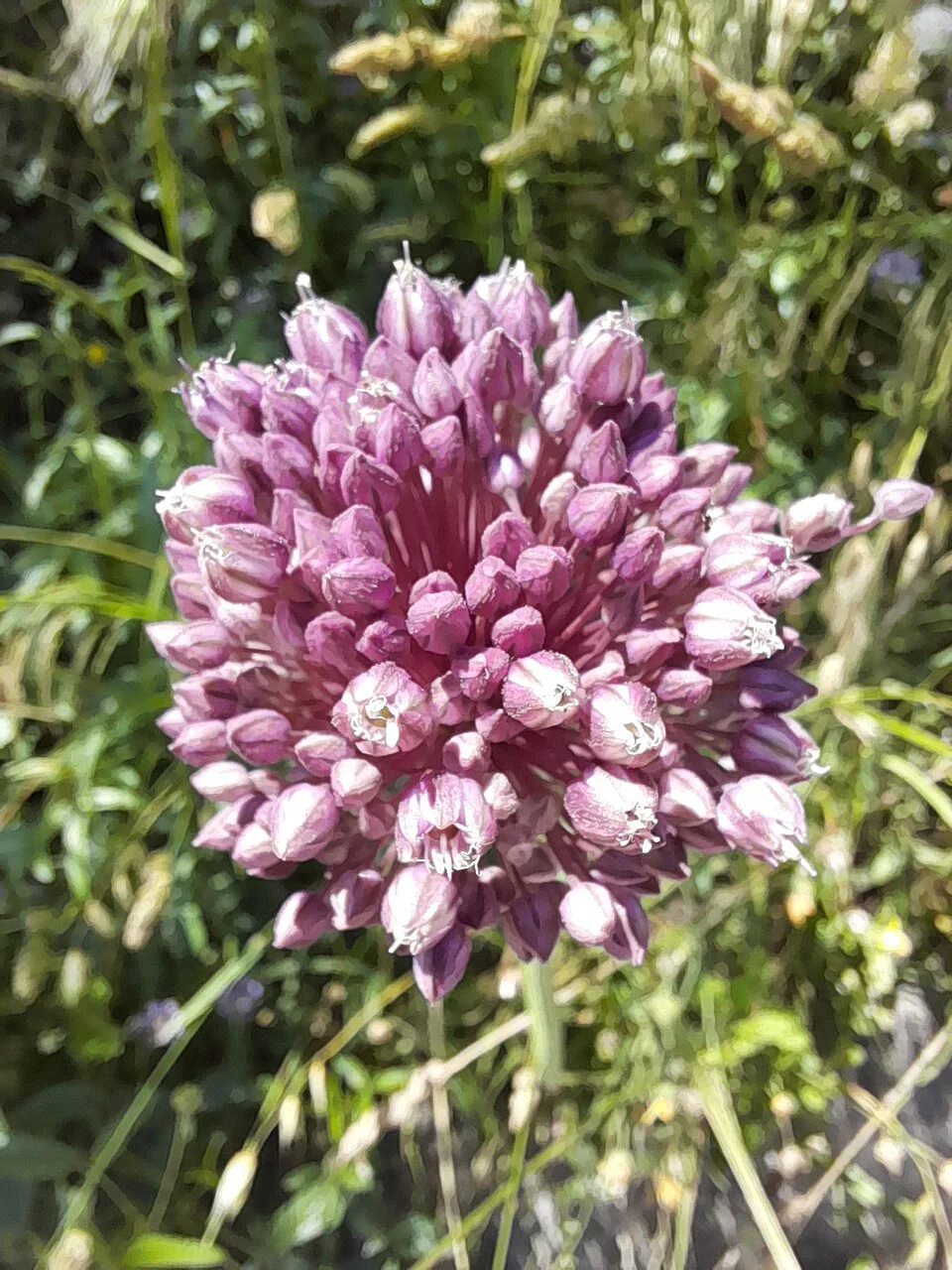
Pollinator plant

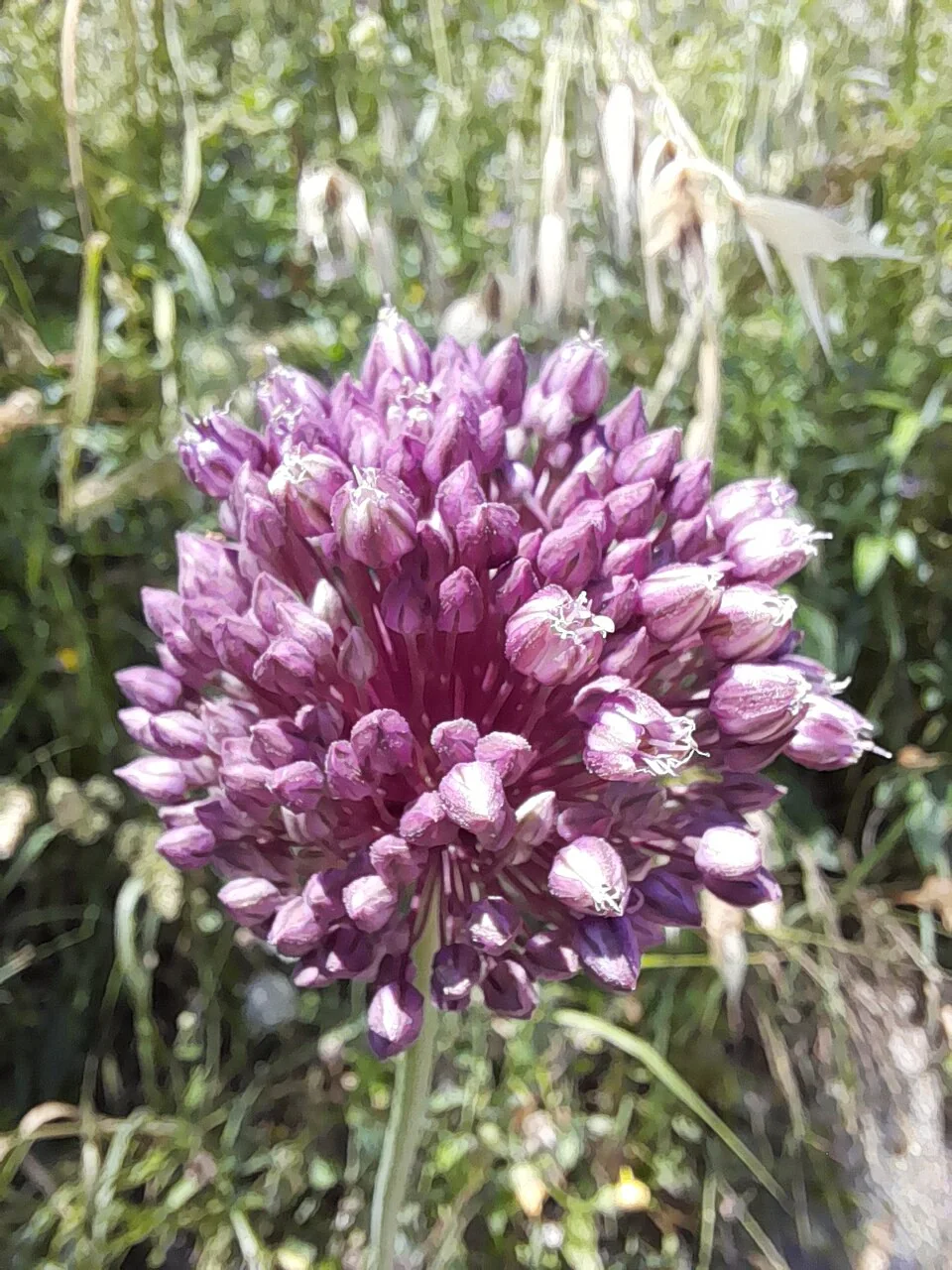
Leek

Allium porrum

Linked agroforestry plant data
Pollinator recipe

Common names

25 names · 23 languages
EnglishYour language
Other languages (22)
Dutch
French
  • Poireau
  • Poireau cultivé[1][2]
Armenian
Chinese (Simplified)
Croatian
Czech
  • pór zahradní[2]
Estonian
Finnish
German
Greek
  • Πράσο[2]
Hungarian
  • póréhagyma[2]
Indonesian
  • Daun Bawang[2]
Italian
Japanese
Polish
  • Czosnek por[2]
Portuguese
Russian
  • Лук-порей[2]
Sinhala
  • ලීක්ස්[2]
Slovak
  • pór pestovaný[2]
Spanish
Thai
  • กระเทียมต้น[2]
Turkish
Sources & name notes (2)

Names recorded in our plant catalogue and botanical sources, grouped by language. Usage can vary by region.

Numbered references identify names recorded by an external source. Other names are from our plant catalogue.

[1] Allium porrum — iNaturalist taxon names ↗

Community-curated iNaturalist taxonomy. This is a common-name attestation, not an independent botanical determination.

Source records
  • Leek — results[1].names[2]; taxon id 158190; Allium porrum.
  • Prei — results[1].names[8]; taxon id 158190; Allium porrum.
  • Porree — results[1].names[22]; taxon id 158190; Allium porrum.
  • ajoporro — results[1].names[23]; taxon id 158190; Allium porrum.
  • poro — results[1].names[1]; taxon id 158190; Allium porrum.
  • Poireau cultivé — results[1].names[3]; taxon id 158190; Allium porrum.
  • porro — results[1].names[13]; taxon id 158190; Allium porrum.
  • Alho-poró — results[1].names[4]; taxon id 158190; Allium porrum.
[2] Allium porrum — iNaturalist taxon names ↗

Community-curated iNaturalist taxonomy; common-name attestation, not an independent botanical determination.

Source records
  • Leek — results[1].names[2]; taxon id 158190; Allium porrum.
  • Prei — results[1].names[8]; taxon id 158190; Allium porrum.
  • Porree — results[1].names[22]; taxon id 158190; Allium porrum.
  • ajoporro — results[1].names[23]; taxon id 158190; Allium porrum.
  • poro — results[1].names[1]; taxon id 158190; Allium porrum.
  • Poireau cultivé — results[1].names[3]; taxon id 158190; Allium porrum.
  • porro — results[1].names[13]; taxon id 158190; Allium porrum.
  • Alho-poró — results[1].names[4]; taxon id 158190; Allium porrum.
  • pór zahradní — results[1].names[5]; taxon id 158190; Allium porrum.
  • porrulauk — results[1].names[6]; taxon id 158190; Allium porrum.
  • ලීක්ස් — results[1].names[7]; taxon id 158190; Allium porrum.
  • Лук-порей — results[1].names[9]; taxon id 158190; Allium porrum.
  • Պրաս — results[1].names[10]; taxon id 158190; Allium porrum.
  • pırasa — results[1].names[11]; taxon id 158190; Allium porrum.
  • Daun Bawang — results[1].names[12]; taxon id 158190; Allium porrum.
  • Πράσο — results[1].names[14]; taxon id 158190; Allium porrum.
  • กระเทียมต้น — results[1].names[15]; taxon id 158190; Allium porrum.
  • Poriluk — results[1].names[16]; taxon id 158190; Allium porrum.
  • Czosnek por — results[1].names[17]; taxon id 158190; Allium porrum.
  • póréhagyma — results[1].names[18]; taxon id 158190; Allium porrum.
  • purjo — results[1].names[19]; taxon id 158190; Allium porrum.
  • pór pestovaný — results[1].names[20]; taxon id 158190; Allium porrum.
  • 韭葱 — results[1].names[21]; taxon id 158190; Allium porrum.
  • リーキ — results[1].names[24]; taxon id 158190; Allium porrum.
Plant references

Source-backed information

Published observations for this plant. Each reference supports the information beside it.

Botanical family
Amaryllidaceae

Genus-level classification for Allium; this does not confirm the complete catalogue name.

Sources [1]
Native range
Cultigen. Recorded cultivated origin: Iran. No independently established wild native range is assigned.

Explicit native locality records in Kew WCVP v16; introduced and doubtful distributions excluded. Continent conversion follows the documented geographic mapping.

Sources [2]
Catalogue ratings

Who this plant supports

Honey bees

Medium suitability
Nectar value Medium
Pollen value Medium

Solitary wild bees

High suitability
Nectar value Medium
Pollen value Medium
Agroforestry database

Complete plant information

Open full plant profile

Structure

Vegetation layer
Herbaceous, Vegetable
Size
Small
Dimensions
0.90 m high × 0.00 m wide
Lifecycle
Perennial

Site conditions

USDA hardiness
5-9
Moisture
Moist, Well-drained
Soil
Sandy, Loamy
pH
Acid, Neutral, Alkaline
Light
Sun

Uses

Edible parts
Leaves, Flowers, Root
Functions
Fungicide
Edibility
4 out of 5
Medicinal value
2 out of 5

The leaves and long white blanched stems of this plant can be cooked and eaten, or thinly sliced and added to salads. They have a mild onion flavor with a delightful sweetness. The bulb can be eaten raw or cooked and is produced in the plant's second year of growth. If the plant is not in bloom, the bulb becomes slightly larger. The flowers can be eaten raw and serve as a garnish on salads, although they are somewhat drier and less flavorful than other plants in the same family.

Sources and references

References for the information marked with source numbers on this page.

Sources checked
  1. Catalogue of Life Allium — Catalogue of Life COL26.8

    COL26.8 (2026-08-20). Contributing checklist: The World Checklist of Vascular Plants (WCVP). This is taxonomic evidence, not an independent ecological study.

    Supports: Botanical family
    Relevant sections
    • Botanical family: NameUsage.tsv line 3537954; ID 8VTKZ; rank genus; status accepted

    Source checked on .

    Source data licence: CC BY 4.0.

  2. Royal Botanic Gardens, Kew Allium porrum — Kew WCVP native distribution

    Native distribution and taxonomic treatment from the official WCVP v16 export (4 June 2026). The link opens the corresponding POWO taxon. Source rows are retained in the native-range audit archive.

    Supports: Native range
    Relevant sections
    • Native range: WCVP v16; wcvp_names.csv lines 1171611; wcvp_distribution.csv native locality lines 415227

    Source checked on .

    Source data licence: CC BY 3.0.