Viburnum trilobum
Highbush cranberry
Explore the size, hardiness, soil, light, edible uses and harvest period of Viburnum trilobum.
Plant photos
2 photos · Select to enlarge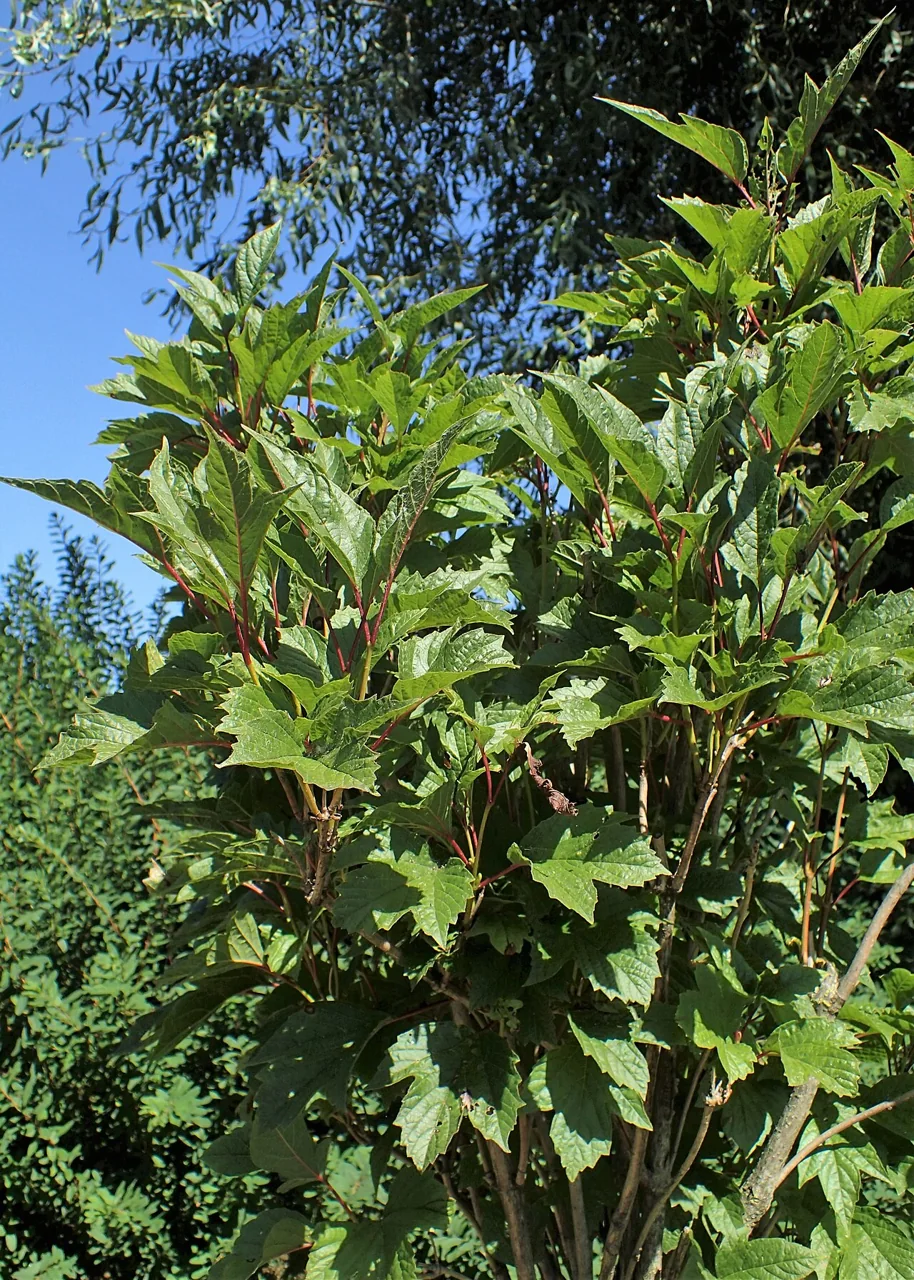
The growth habit of Viburnum trilobum cultivar 'Spring Red Compact'.
Krzysztof Ziarnek, Kenraiz / Wikimedia Commons / CC BY-SA 4.0

Photo details
Resized and converted to WebP. No content edits.
Source: File:Viburnum trilobum 'Spring Red Compact' kz01.jpg
Reviewed . Source identification, photograph and license reviewed. The image illustrates the named plant; it does not verify dimensions or other plant traits.
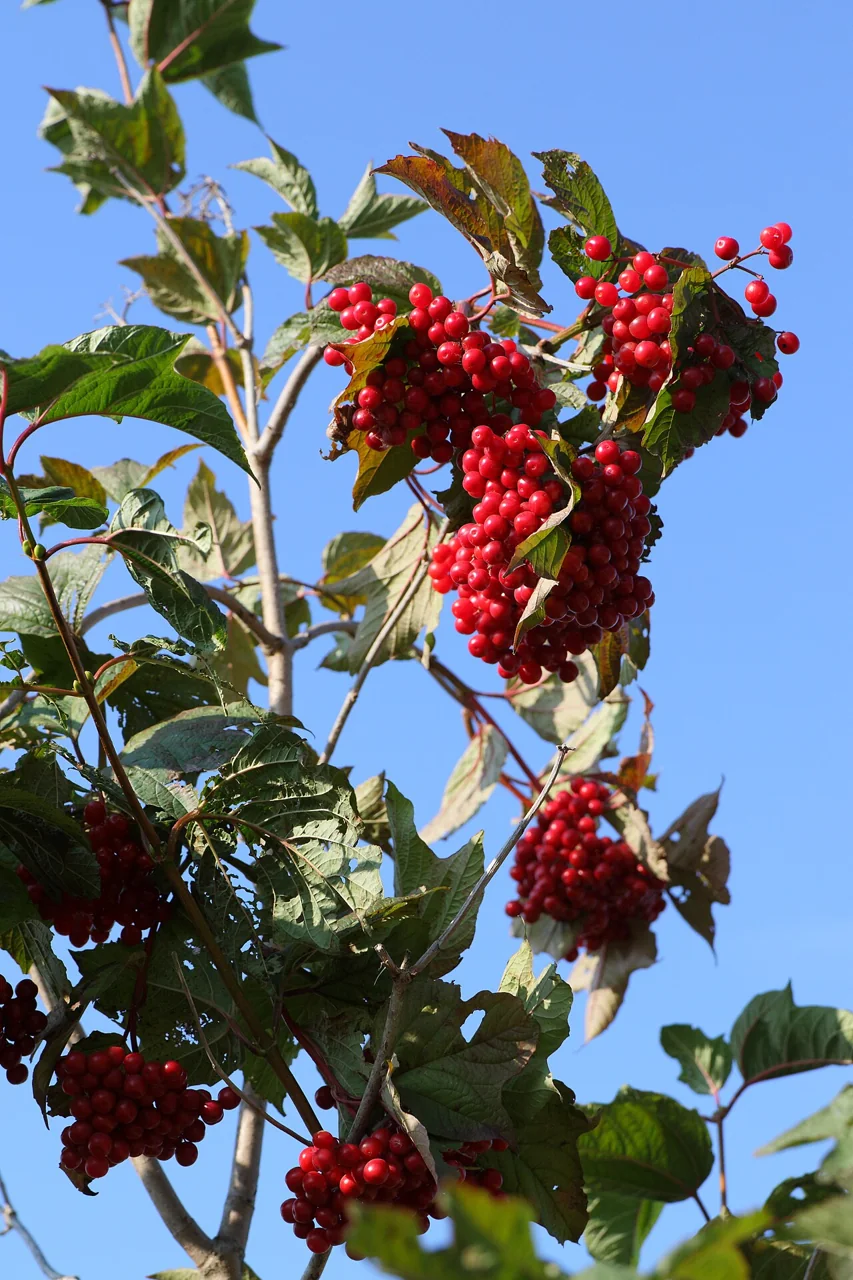
Fruit of Viburnum trilobum.
Cephas / Wikimedia Commons / CC BY-SA 4.0

Photo details
Resized and converted to WebP. No content edits.
Source: File:Viburnum trilobum CT 02.jpg
Reviewed . Source identification, photograph and license reviewed. The image illustrates the named plant; it does not verify dimensions or other plant traits.
Common names
6 names · 4 languages- EnglishYour language
-
- American Guelder-rose[1]
- Highbush cranberry
Other languages (3)
- Dutch
-
- Amerikaanse Cranberry
- Amerikaanse sneeuwbal
- French
-
- Viorne trilobée
- Language not specified
-
- American Cranberrybush[1]
Sources & name notes (1)
Names recorded in our plant catalogue and botanical sources, grouped by language. Usage can vary by region.
Numbered references identify names recorded by an external source. Other names are from our plant catalogue.
Common names from World Plants, version 26.05, reproduced in Catalogue of Life 2026-08-20. License: CC BY.
Source records
- American Cranberrybush — VernacularName.tsv, line 152530; taxon B4SDW.
- American Guelder-rose (EN) — VernacularName.tsv, line 152531; taxon B4SDW.
General information
Plant characteristics
NC State landscape size range; converted from feet and inches. Size varies with site, age and management.
Sources [3]NC State landscape size range; converted from feet and inches. Size varies with site, age and management.
Sources [3]Whole-plant habit and form as described by NC State.
Sources [3]Growing conditions
USDA zones listed by NC State; winter survival does not establish reliable cropping.
Sources [3]Uses
Fruit
Bee forage
Description
The fruit can be eaten raw but is also suitable for cooking. The flesh is juicy with a sour taste that comes into its own best after frost. The fruits are a good source of vitamin C and can serve as a tasty alternative to cranberries. They are often used in jams, preserves, and other dishes. Jam made from these fruits has a pleasant taste and pairs well with dishes such as porridge. The fruits have a diameter of about 8 mm and contain a large seed.
Harvest
Sources and references
References for the information marked with source numbers on this page.
-
Royal Botanic Gardens, Kew
World Checklist of Vascular Plants, version 16, extracted 4 June 2026
Relevant sections
- Botanical family: WCVP v16, wcvp_names.csv row 187028; name ID 2456153; Viburnum L.. Family column.
- Taxonomy: WCVP v16, wcvp_names.csv row 187757; name ID 2458670; Viburnum trilobum Marshall.
Source checked on .
Source data licence: CC BY 3.0.
-
Catalogue of Life
Catalogue of Life 2026-08-20 — Viburnum trilobum
Taxonomic data from World Plants, version 26.05, reproduced in Catalogue of Life 2026-08-20.
Supports: TaxonomyRelevant sections
- Taxonomy: COL 2026-08-20, NameUsage.tsv line 4150219, ID B4SDW: Viburnum trilobum Marshall (accepted).
Source checked on .
-
NC State Extension, North Carolina State University
Viburnum trilobum — Extension Gardener Plant Toolbox
Supports: HeightSpreadGrowth rateFoliageGrowth habitLightSoil moistureSoil textureSoil pHUSDA hardiness
Relevant sections
- Height: Dimensions > Height; Height: 8 ft. 0 in. - 12 ft. 0 in.
- Spread: Dimensions > Width; Width: 8 ft. 0 in. - 12 ft. 0 in.
- Growth rate: Growth Rate
- Foliage: Woody Plant Leaf Characteristics
- Growth habit: Habit/Form
- Light: Light
- Soil moisture: Soil Drainage
- Soil texture: Soil Texture
- Soil pH: Soil pH
- USDA hardiness: USDA Plant Hardiness Zone
Source checked on .