Tanacetum parthenium
Feverfew, Matricaria
Explore the size, hardiness, soil, light, edible uses and harvest period of Tanacetum parthenium.
Plant photos
2 photos · Select to enlarge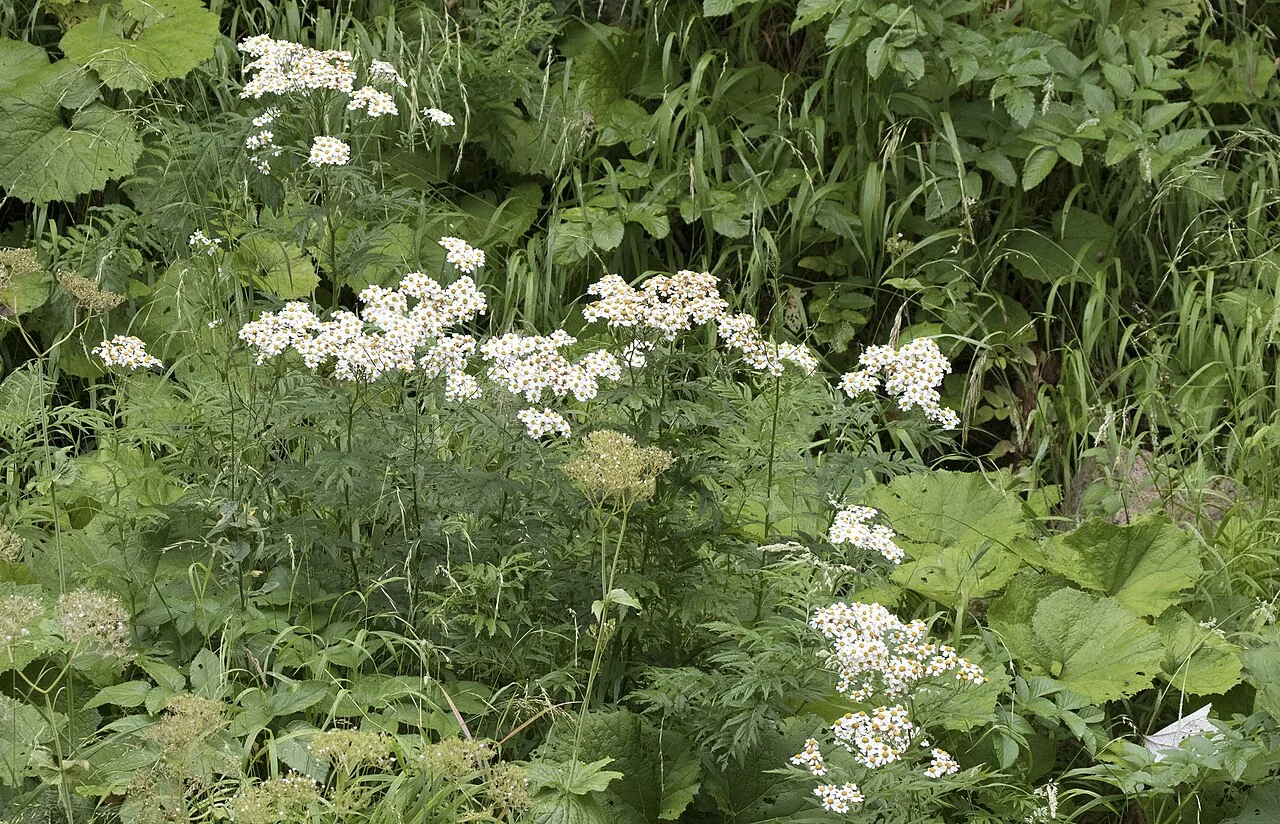
Tanacetum parthenium in flower.
Zeynel Cebeci / Wikimedia Commons / CC BY-SA 4.0

Photo details
Resized and converted to WebP. No content edits.
Source: File:Tanacetum parthenium - Feverfew 02.jpg
Reviewed . Source identification, photograph and license reviewed. The image illustrates the named plant; it does not verify dimensions or other plant traits.
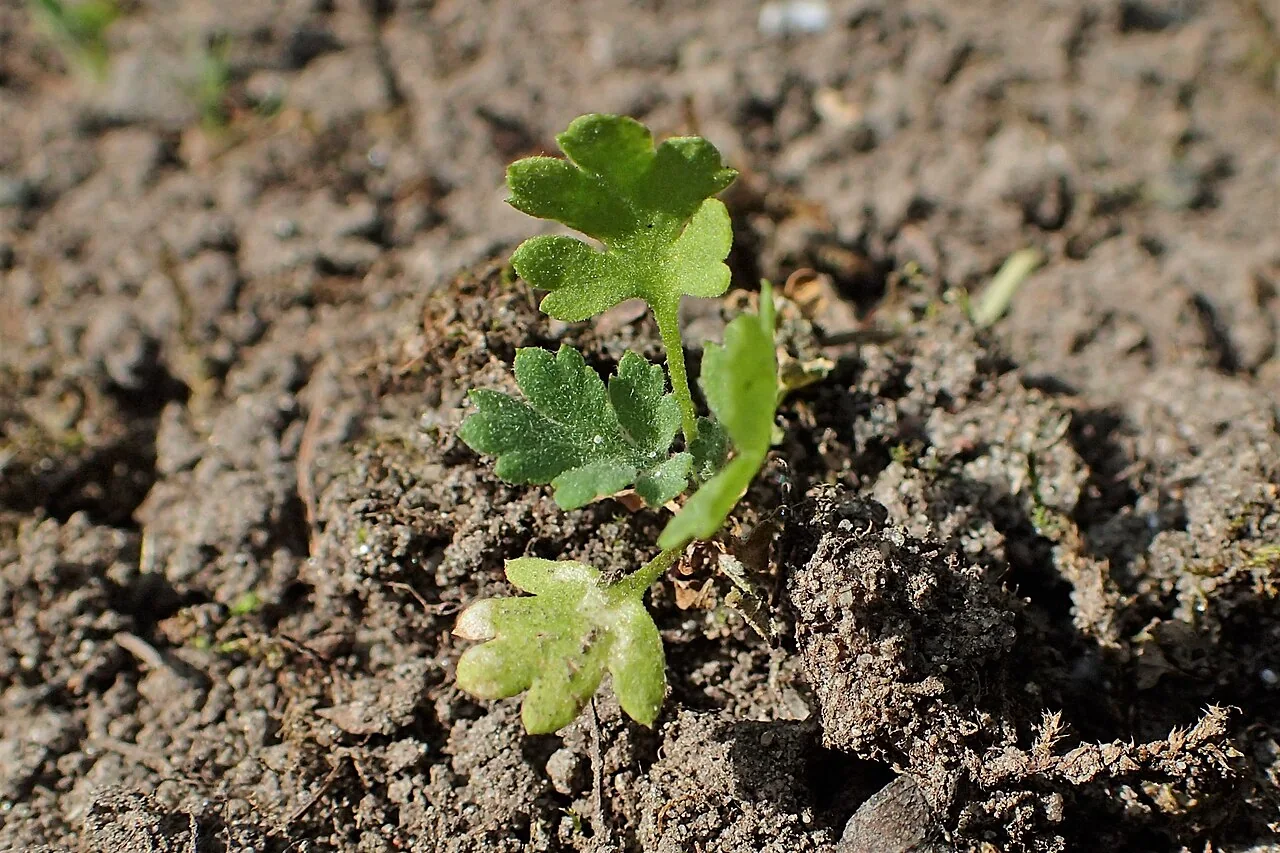
A seedling of Tanacetum parthenium.
Krzysztof Ziarnek, Kenraiz / Wikimedia Commons / CC BY-SA 4.0

Photo details
Resized and converted to WebP. No content edits.
Source: File:Tanacetum parthenium kz03.jpg
Reviewed . Source identification, photograph and license reviewed. The image illustrates the named plant; it does not verify dimensions or other plant traits.
Common names
39 names · 30 languagesOther languages (29)
- Dutch
-
- Moederkruid[2]
- French
-
- Grande Camomille[2]
- Arabic
-
- أقحوان زهرة الذهب[2]
- Bulgarian
-
- Моминска вратига[2]
- Chinese (Simplified)
-
- 小白菊[2]
- Chinese (Traditional)
-
- 小白菊[2]
- Czech
-
- řimbaba obecná[2]
- Danish
-
- Matrem[2]
- Finnish
-
- reunuspietaryrtti[2]
- Galician
-
- Herba de Santa María[2]
- Greek
-
- Βάλσαμο[2]
- Hungarian
-
- őszi varádics[2]
- Italian
-
- Partenio[2]
- Lithuanian
-
- Vaistinis skaistenis[2]
- Norwegian
-
- matrem[2]
- Russian
-
- Пижма девичья[2]
- Slovak
-
- rimbaba obyčajná[2]
- Slovenian
-
- beli vratič[2]
- Swedish
-
- mattram[2]
- Tepehuano
-
- Uy jak[2]
- Turkish
-
- beyaz papatya[2]
- Ukrainian
-
- Пижмо дівоче[2]
- Welsh
-
- Wermod wen[2]
Sources & name notes (2)
Names recorded in our plant catalogue and botanical sources, grouped by language. Usage can vary by region.
Numbered references identify names recorded by an external source. Other names are from our plant catalogue.
Common names from World Plants, version 26.05, reproduced in Catalogue of Life 2026-08-20. License: CC BY.
Source records
- Mutterkraut (DE); Feverfew (EN); Hierba de Santa Maria (ES) — VernacularName.tsv, line 143413; taxon 7BJ6P.
Community-curated iNaturalist taxonomy; common-name attestation, not an independent botanical determination.
Source records
- feverfew — results[0].names[1]; taxon id 54520; Tanacetum parthenium.
- Moederkruid — results[0].names[2]; taxon id 54520; Tanacetum parthenium.
- Grande camomille — results[0].names[3]; taxon id 54520; Tanacetum parthenium.
- Mutterkraut-Wucherblume — results[0].names[4]; taxon id 54520; Tanacetum parthenium.
- Altamisa — results[0].names[5]; taxon id 54520; Tanacetum parthenium.
- Artemisa — results[0].names[7]; taxon id 54520; Tanacetum parthenium.
- Пижма девичья — results[0].names[8]; taxon id 54520; Tanacetum parthenium.
- řimbaba obecná — results[0].names[9]; taxon id 54520; Tanacetum parthenium.
- Matrem — results[0].names[10]; taxon id 54520; Tanacetum parthenium.
- matrem — results[0].names[11]; taxon id 54520; Tanacetum parthenium.
- Partenio — results[0].names[12]; taxon id 54520; Tanacetum parthenium.
- reunuspietaryrtti — results[0].names[13]; taxon id 54520; Tanacetum parthenium.
- Vaistinis skaistenis — results[0].names[14]; taxon id 54520; Tanacetum parthenium.
- ナツシロギク — results[0].names[15]; taxon id 54520; Tanacetum parthenium.
- マトリカリア — results[0].names[16]; taxon id 54520; Tanacetum parthenium.
- mattram — results[0].names[17]; taxon id 54520; Tanacetum parthenium.
- lõhnav neitsikummel — results[0].names[18]; taxon id 54520; Tanacetum parthenium.
- lõhnav püreeter — results[0].names[19]; taxon id 54520; Tanacetum parthenium.
- Βάλσαμο — results[0].names[20]; taxon id 54520; Tanacetum parthenium.
- 小白菊 — results[0].names[21]; taxon id 54520; Tanacetum parthenium.
- Моминска вратига — results[0].names[22]; taxon id 54520; Tanacetum parthenium.
- 小白菊 — results[0].names[23]; taxon id 54520; Tanacetum parthenium.
- Uy jak — results[0].names[24]; taxon id 54520; Tanacetum parthenium.
- beli vratič — results[0].names[25]; taxon id 54520; Tanacetum parthenium.
- Пижмо дівоче — results[0].names[26]; taxon id 54520; Tanacetum parthenium.
- Herba de Santa María — results[0].names[27]; taxon id 54520; Tanacetum parthenium.
- أقحوان زهرة الذهب — results[0].names[28]; taxon id 54520; Tanacetum parthenium.
- Artemigem-dos-jardins — results[0].names[29]; taxon id 54520; Tanacetum parthenium.
- Samambainha — results[0].names[30]; taxon id 54520; Tanacetum parthenium.
- Margaridinha — results[0].names[31]; taxon id 54520; Tanacetum parthenium.
- Wrotycz maruna — results[0].names[32]; taxon id 54520; Tanacetum parthenium.
- Złocień maruna — results[0].names[33]; taxon id 54520; Tanacetum parthenium.
- őszi varádics — results[0].names[34]; taxon id 54520; Tanacetum parthenium.
- beyaz papatya — results[0].names[35]; taxon id 54520; Tanacetum parthenium.
- Wermod wen — results[0].names[36]; taxon id 54520; Tanacetum parthenium.
- rimbaba obyčajná — results[0].names[37]; taxon id 54520; Tanacetum parthenium.
General information
Plant characteristics
NC State landscape size range; converted from feet and inches. Size varies with site, age and management.
Sources [3]NC State landscape size range; converted from feet and inches. Size varies with site, age and management.
Sources [3]Growing conditions
USDA zones listed by NC State; winter survival does not establish reliable cropping.
Sources [3]Uses
Condiment, Tea
Essential oil, Repellent, Fragrant
Description
The dried flowers are often used as a flavoring in the preparation of various pastries. This plant is used in the kitchen to give certain foods a delicious aromatic and bitter taste. The dried flowers are also used to make tea.
Harvest
Sources and references
References for the information marked with source numbers on this page.
-
Royal Botanic Gardens, Kew
World Checklist of Vascular Plants, version 16, extracted 4 June 2026
Relevant sections
- Botanical family: WCVP v16, wcvp_names.csv row 557201; name ID 3133920; Tanacetum L.. Family column.
- Taxonomy: WCVP v16, wcvp_names.csv row 189518; name ID 2916972; Tanacetum parthenium (L.) Sch.Bip..
Source checked on .
Source data licence: CC BY 3.0.
-
Catalogue of Life
Catalogue of Life 2026-08-20 — Tanacetum parthenium
Taxonomic data from World Plants, version 26.05, reproduced in Catalogue of Life 2026-08-20.
Supports: TaxonomyRelevant sections
- Taxonomy: COL 2026-08-20, NameUsage.tsv line 2680654, ID 7BJ6P: Tanacetum parthenium (L.) Sch.Bip. (accepted).
Source checked on .
-
NC State Extension, North Carolina State University
Tanacetum parthenium — Extension Gardener Plant Toolbox
Supports: HeightSpreadGrowth rateGrowth habitLife cycleLightSoil moistureSoil textureSoil pHUSDA hardiness
Relevant sections
- Height: Dimensions > Height; Height: 1 ft. 0 in. - 3 ft. 0 in.
- Spread: Dimensions > Width; Width: 1 ft. 0 in. - 2 ft. 0 in.
- Growth rate: Growth Rate
- Growth habit: Habit/Form
- Life cycle: Life Cycle
- Light: Light
- Soil moisture: Soil Drainage
- Soil texture: Soil Texture
- Soil pH: Soil pH
- USDA hardiness: USDA Plant Hardiness Zone
Source checked on .