Smilax herbacea
Carrion Flower, Smooth carrionflower
Explore the size, hardiness, soil, light, edible uses and harvest period of Smilax herbacea.
Plant photos
2 photos · Select to enlarge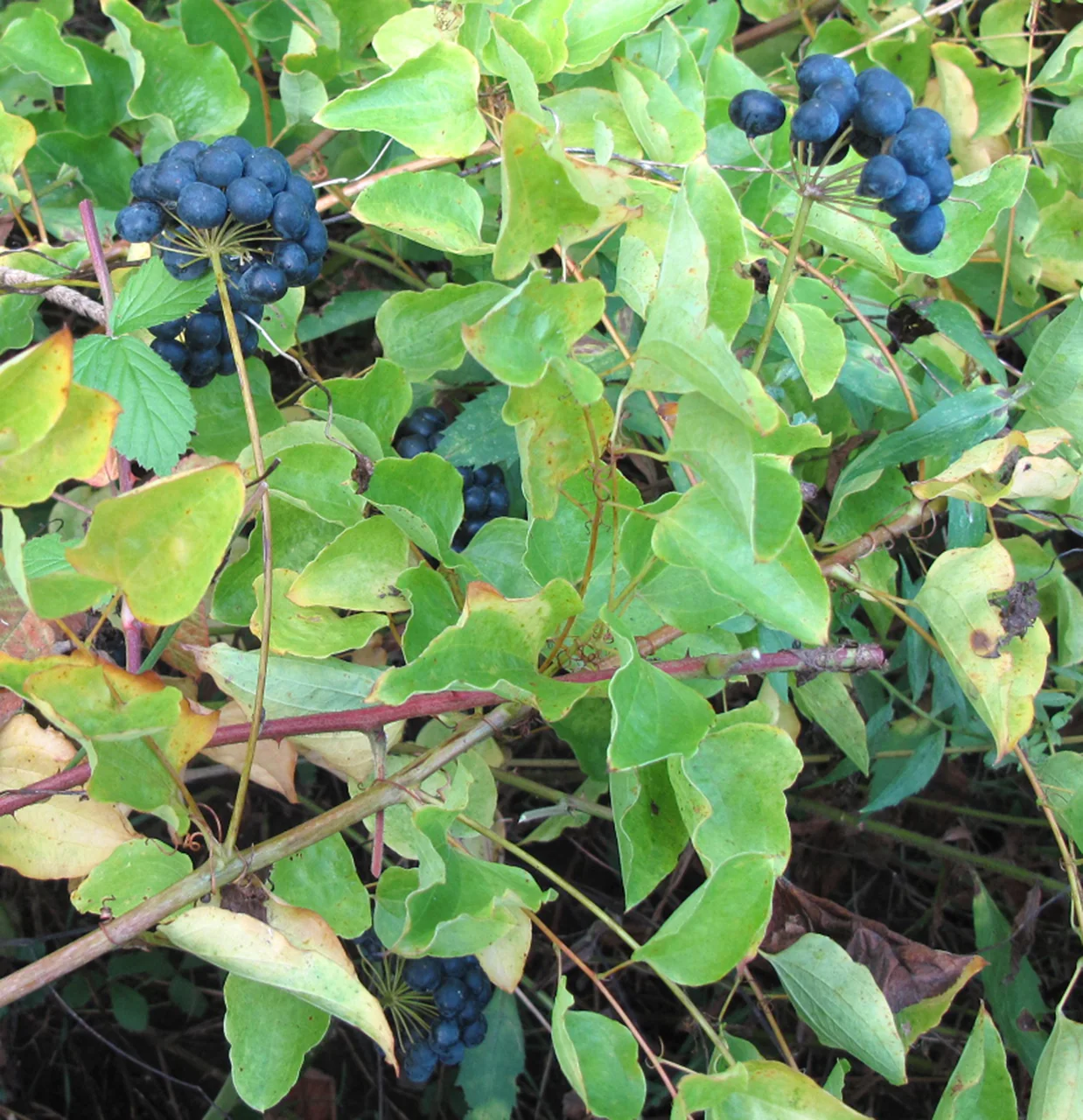
A fruiting Smilax herbacea plant.
Ayotte, Gilles, 1948- / Wikimedia Commons / CC BY-SA 4.0

Photo details
Resized and converted to WebP. No content edits.
Source: File:Smilax herbacea 15-p.bot-lilia.smilax-44.jpg
Reviewed . Source identification, photograph and license reviewed. The image illustrates the named plant; it does not verify dimensions or other plant traits.
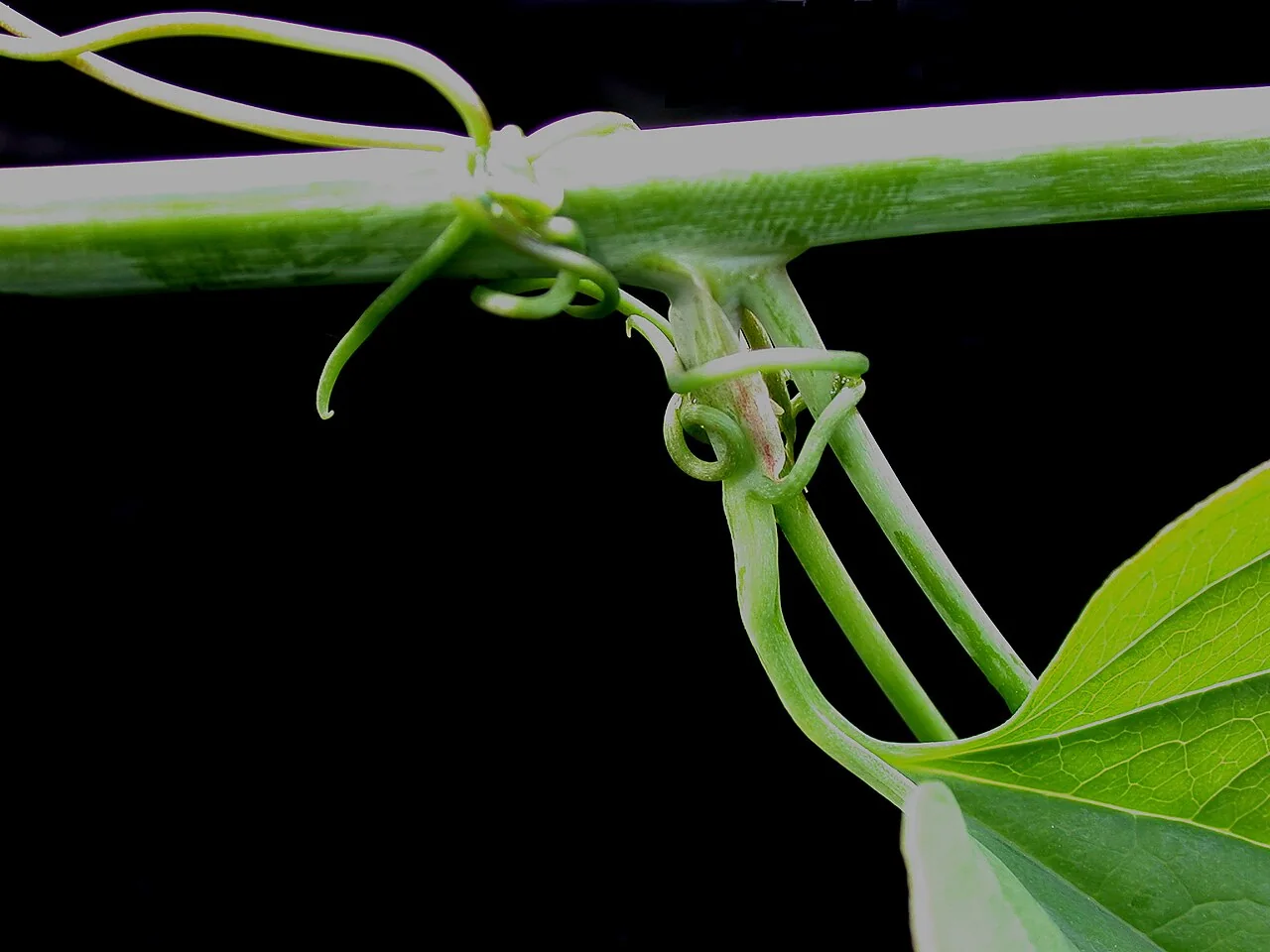
A stem and coiling tendrils of Smilax herbacea.
Ayotte, Gilles, 1948- / Wikimedia Commons / CC BY-SA 4.0

Photo details
Resized and converted to WebP. No content edits.
Source: File:Smilax herbacea 15-p.bot-lilia.smilax-60.jpg
Reviewed . Source identification, photograph and license reviewed. The image illustrates the named plant; it does not verify dimensions or other plant traits.
Common names
11 names · 8 languagesOther languages (7)
Sources & name notes (1)
Names recorded in our plant catalogue and botanical sources, grouped by language. Usage can vary by region.
Numbered references identify names recorded by an external source. Other names are from our plant catalogue.
Community-curated iNaturalist taxonomy; common-name attestation, not an independent botanical determination.
Source records
- smooth carrionflower — results[0].names[2]; taxon id 154524; Smilax herbacea.
- Smooth Herbaceous Greenbrier — results[0].names[3]; taxon id 154524; Smilax herbacea.
- Gine Bigominaga Wunj — results[0].names[4]; taxon id 154524; Smilax herbacea.
- smilax herbacé — results[0].names[5]; taxon id 154524; Smilax herbacea.
- 光滑菝葜 — results[0].names[6]; taxon id 154524; Smilax herbacea.
- 光滑菝葜 — results[0].names[7]; taxon id 154524; Smilax herbacea.
- ᏏᎦᏓᏍᎩ — results[0].names[8]; taxon id 154524; Smilax herbacea.
- virginiansarsaparilla — results[0].names[9]; taxon id 154524; Smilax herbacea.
General information
Accepted in the cited Kew taxonomic treatment.
Sources [1]Uses
Leaves, Fruit, Root
Fragrant
Description
Leaves and young shoots of this plant can be eaten both raw and cooked, similar to asparagus. They have a fine and delicate flavor. The fruits are tasty whether eaten raw or cooked and can be used for jam and jelly, but they must be fully ripe. They have a pleasant taste and are about 10 mm in diameter. The root of the plant can be eaten cooked. Additionally, the root can be dried, ground into powder, and used in making grains, bread, and even as a gelatin substitute.
Harvest
Sources and references
References for the information marked with source numbers on this page.
-
Royal Botanic Gardens, Kew
World Checklist of Vascular Plants, version 16, extracted 4 June 2026
Relevant sections
- Botanical family: WCVP v16, wcvp_names.csv row 277135; name ID 287300; Smilax L.. Family column.
- Taxonomy: WCVP v16, wcvp_names.csv row 234511; name ID 289196; Smilax herbacea L..
Source checked on .
Source data licence: CC BY 3.0.
-
NC State Extension, North Carolina State University
Smilax herbacea — Extension Gardener Plant Toolbox
Relevant sections
- Foliage: Woody Plant Leaf Characteristics
- Growth habit: Habit/Form
- Life cycle: Life Cycle
- Light: Light
- Soil moisture: Soil Drainage
- Soil texture: Soil Texture
- Soil pH: Soil pH
- USDA hardiness: USDA Plant Hardiness Zone
Source checked on .