Rhus glaba
Smooth Sumach
Explore the size, hardiness, soil, light, edible uses and harvest period of Rhus glaba.
Plant photos
2 photos · Select to enlarge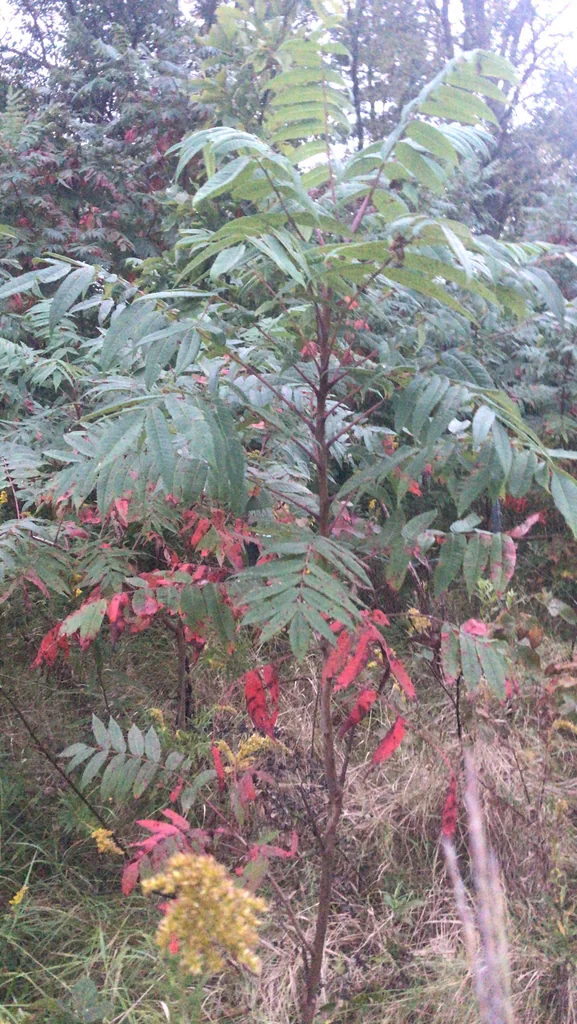
Rhus glabra plants with leafy stems and some red autumn foliage.
(c) Sergei Maslov / iNaturalist / CC BY-SA 4.0
Photo details
Resized and converted to WebP. No content edits.
Source: iNaturalist photo 98007267
View the observation and community identifications on iNaturalist.
Reviewed . The photographed view, exact taxon scope, current community identifications, per-photo license and source attribution were reviewed. The observation has at least two current agreeing community identifiers and no conflicting current species identification. The image illustrates plant appearance; it does not establish botanical measurements.
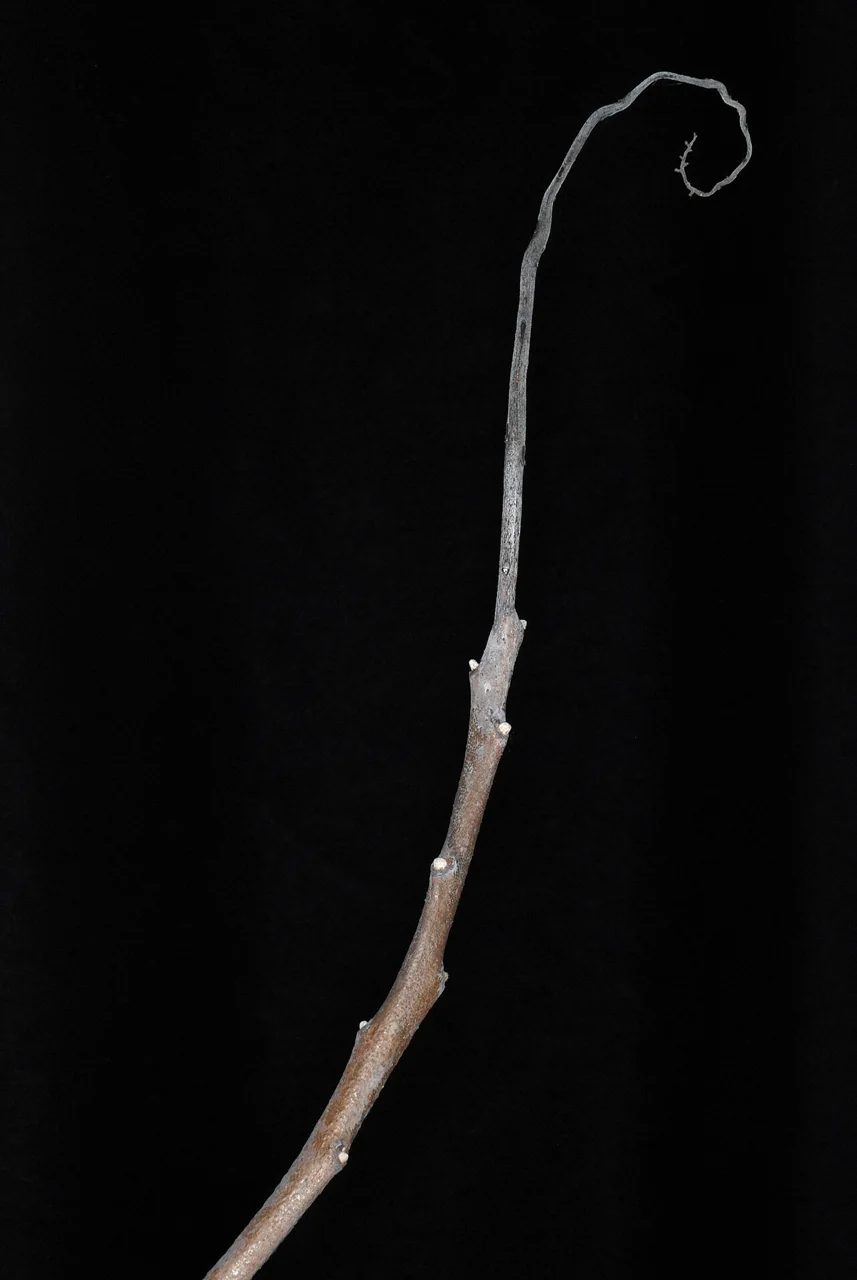
A leafless Rhus glabra twig.
DouglasGoldman / Wikimedia Commons / CC BY-SA 4.0

Photo details
Resized and converted to WebP. No content edits.
Source: File:Rhus glabra winter twig1.jpg
Reviewed . Source identification, photograph and license reviewed. The image illustrates the named plant; it does not verify dimensions or other plant traits.
Common names
5 names · 3 languages- EnglishYour language
-
- Smooth Sumach
Other languages (2)
- Dutch
-
- Azijnboom
- Fluweelboom
- sumak
- French
-
- Sumac glabre
Sources & name notes
Names recorded in our plant catalogue, grouped by language. Usage can vary by region.
General information
Accepted in the cited taxonomic treatment. Botanical references may use alternative names.
Sources [1]Plant characteristics
Growing conditions
Well-drained, Moist
Sand (light) Loam (medium) Clay (heavy)
Acidic Neutral Alkaline
Full sun
Uses
Fruit, Oil, Stems, Root
Dye, Hedge, Oil, Pioneer species, Windbreak, Wood, Bee forage
Description
Fruits of this plant can be eaten both raw and cooked and have a sour taste, making them suitable as a substitute for lemon juice. The fruits are small with little pulp, but the clusters they grow on are large and easy to harvest. If the fruits are soaked in hot or cold water for 10 to 30 minutes, a refreshing drink similar to lemonade is produced. It is not recommended to boil this drink, as this releases tannins, making it too sharp in flavor. The root of the plant can be peeled and eaten raw. The young shoots can also be peeled and eaten raw. The bark of the plant is eaten by some children as a candy, but the sap can cause skin rashes in some people. Little is known about this reaction, so it is advisable to be cautious when handling this plant.
Harvest
Crown
Sources and references
References for the information marked with source numbers on this page.
-
Royal Botanic Gardens, Kew
World Checklist of Vascular Plants, version 16, extracted 4 June 2026
Relevant sections
- Taxonomy: WCVP version 16, wcvp_names.csv: Rhus glabra L., name ID 2423048, row 150916
- Botanical family: WCVP v16, wcvp_names.csv row 148593; name ID 2420929; Rhus L.. Family column.
Source checked on .
Source data licence: CC BY 3.0.