Polygonum bistorta, Persicaria bistorta
Bistort, Meadow bistort, Snakeweed
Explore the size, hardiness, soil, light, edible uses and harvest period of Polygonum bistorta, Persicaria bistorta.
Plant photos
2 photos · Select to enlarge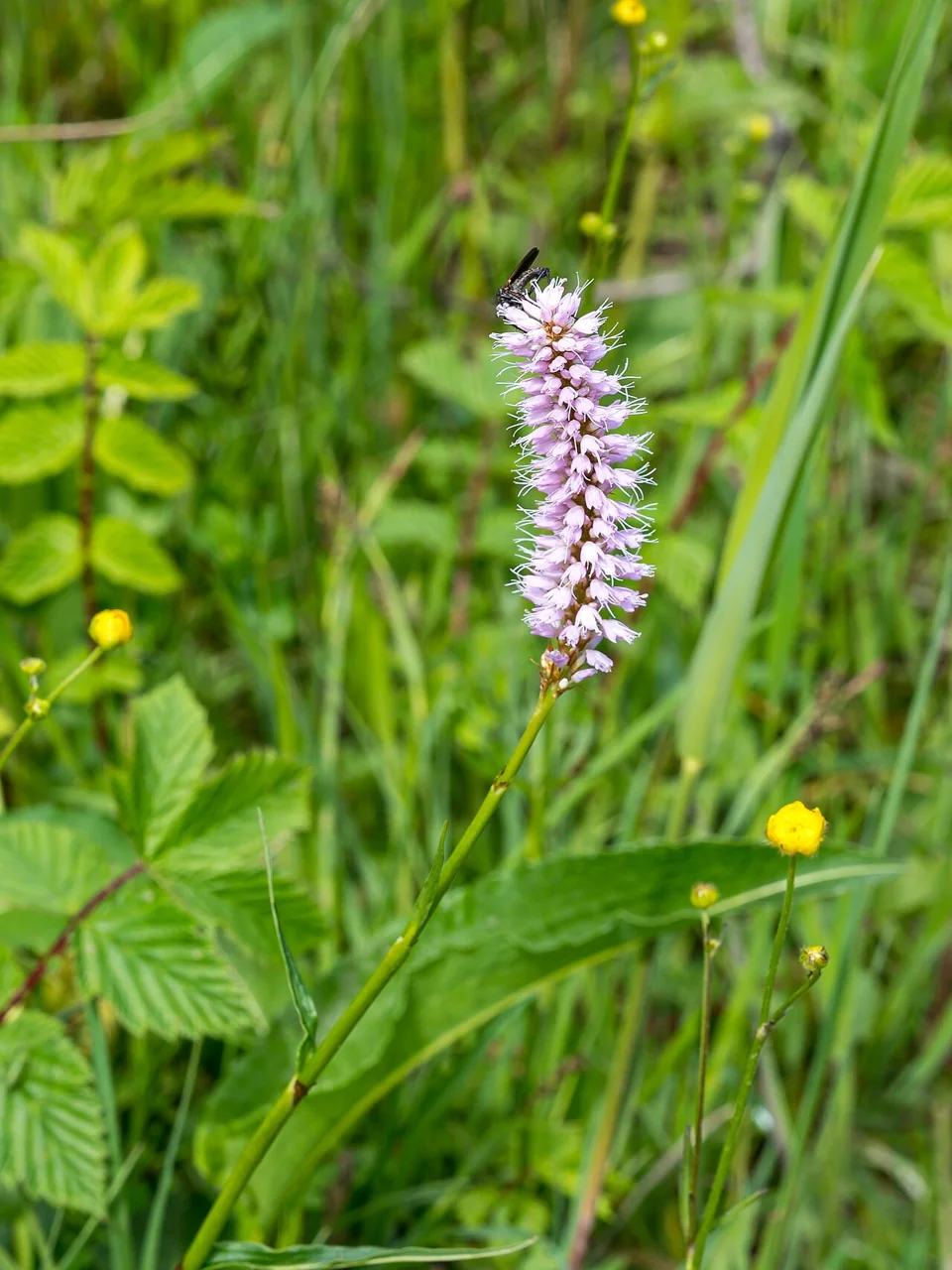
Bistorta officinalis in flower.
Isiwal / Wikimedia Commons / CC BY-SA 4.0

Photo details
Resized and converted to WebP. No content edits.
Source: File:Roßleithen Gierer Streuwiese Schlangen-Knöterich Bistorta officinalis-3905.jpg
Reviewed . Source identification, photograph and license reviewed. The image illustrates the named plant; it does not verify dimensions or other plant traits.
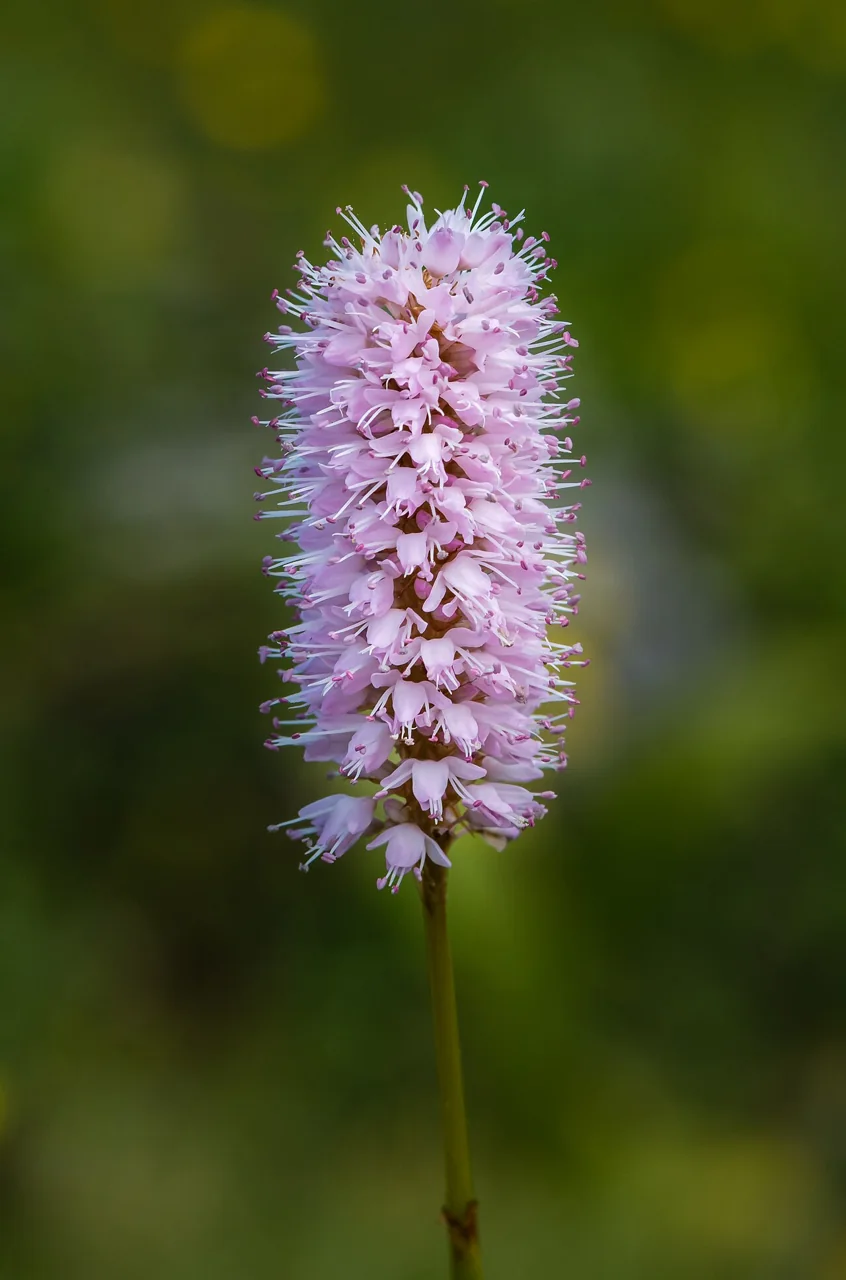
Flowers of Bistorta officinalis.
Uoaei1 / Wikimedia Commons / CC BY-SA 3.0

Photo details
Resized and converted to WebP. No content edits.
Source: File:Bistorta officinalis 01.JPG
Reviewed . Source identification, photograph and license reviewed. The image illustrates the named plant; it does not verify dimensions or other plant traits.
Common names
6 names · 3 languages- EnglishYour language
-
- Bistort
- Meadow bistort
- Snakeweed
Other languages (2)
- Dutch
-
- Addertong
- Adderwortel
- French
-
- Renouée bistorte
Sources & name notes
Names recorded in our plant catalogue, grouped by language. Usage can vary by region.
General information
Accepted in the cited taxonomic treatment. Botanical references may use alternative names.
Sources [1]Kew's family placement for the genus Polygonum (WCVP v16).
Sources [1]Plant characteristics
Growing conditions
Moist, Wet
Sand (light) Loam (medium) Clay (heavy)
Acidic Neutral Alkaline
Partial shade, Full sun
Uses
Leaves, Root, Seed
None
Description
Leaves: Raw or cooked. Young leaves have a mild flavor, while older leaves are bitter. The raw leaves are tough in texture and can effectively replace spinach. In Northern England, the leaves are used in a bitter Easter pudding. They are usually available from late winter to early autumn and are a good source of vitamins A and C. Seeds: Raw or cooked. The seeds are very small and difficult to handle. Root: Raw or cooked. Roots are rich in starch and tannins. Soaking and roasting them can reduce the tannin content. They have a pleasant flavor and are nutritious, making them ideal for cooking or adding to soups and stews. Roots can also be dried and ground into a powder that can be used in bread making.
Harvest
Sources and references
References for the information marked with source numbers on this page.
-
Royal Botanic Gardens, Kew
World Checklist of Vascular Plants, version 16, extracted 4 June 2026
Relevant sections
- Taxonomy: WCVP version 16, wcvp_names.csv: Polygonum bistorta L., name ID 2574619, row 677468; Persicaria bistorta (L.) Samp., name ID 2571994, row 669049; Bistorta officinalis Delarbre, name ID 2676824, row 1328600
- Botanical family: WCVP v16, wcvp_names.csv row 314361; name ID 2566799; Polygonum L.. Family column.
Source checked on .
Source data licence: CC BY 3.0.