Pinus Sibrica
Siberian nut pine
Explore the size, hardiness, soil, light, edible uses and harvest period of Pinus Sibrica.
Plant photos
2 photos · Select to enlarge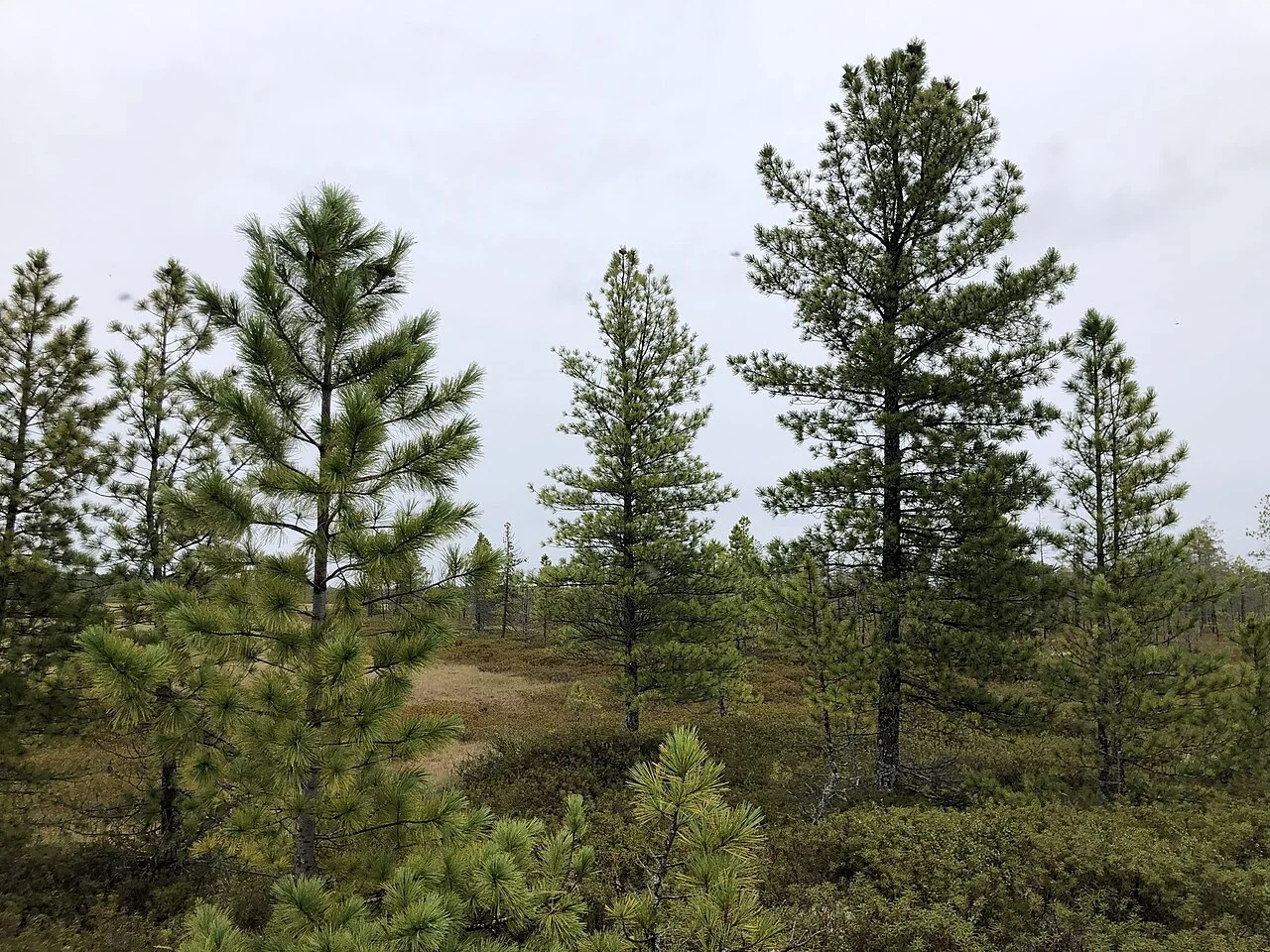
Pinus sibirica trees growing near Beloyarsky, Russia.
(c) Valerii Glazunov / Wikimedia Commons / CC BY 4.0

Photo details
Resized and converted to WebP. No content edits.
Source: File:Pinus sibirica Taiga 149104692.jpg
Reviewed . Source identification, photograph and license reviewed. This image illustrates the named plant; it does not verify dimensions or other plant traits.
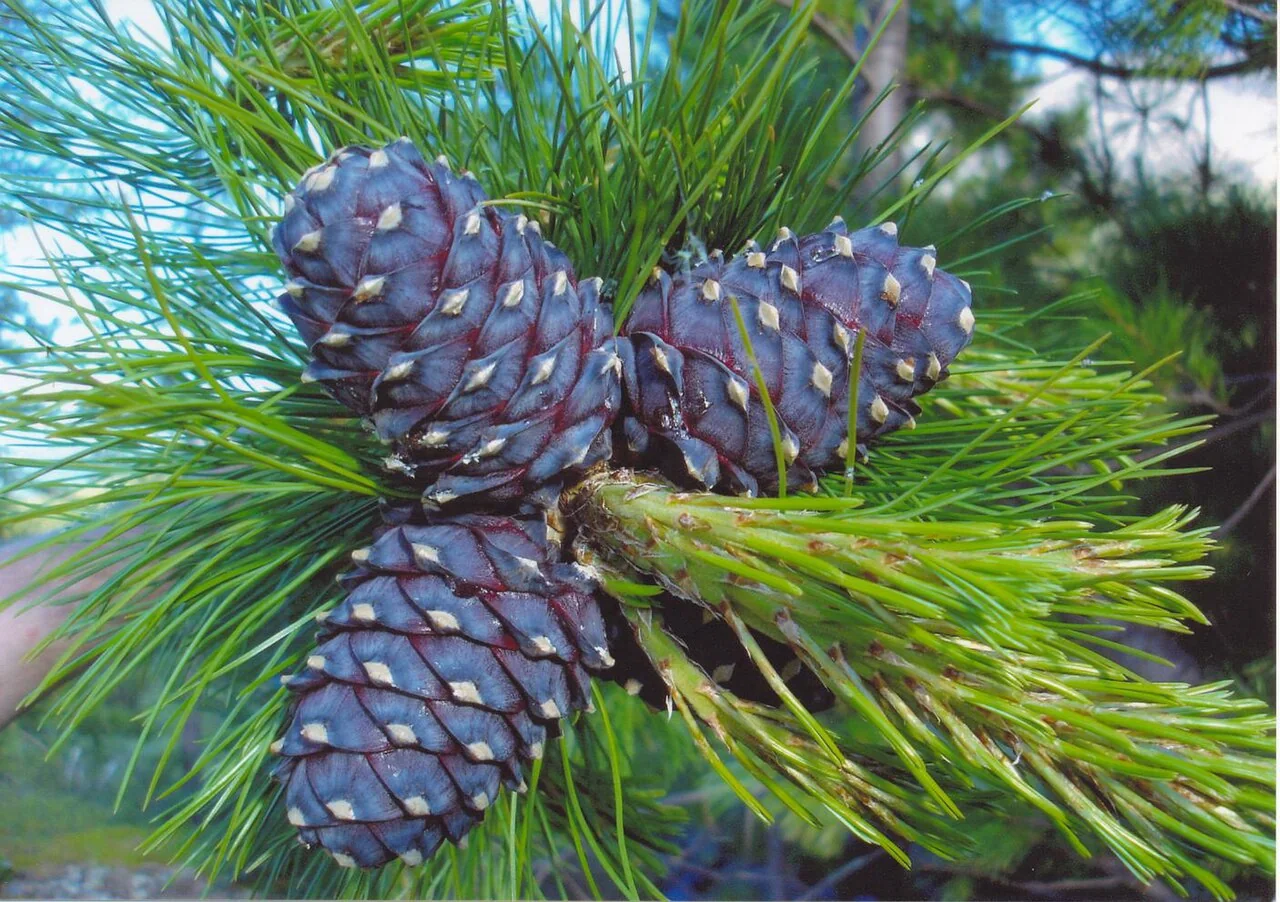
Cones of Pinus sibirica.
ugraland / Wikimedia Commons / CC BY 2.0

Photo details
Resized and converted to WebP. No content edits.
Source: File:Pinus sibirica Urals1.jpg
Reviewed . Source identification, photograph and license reviewed. The image illustrates the named plant; it does not verify dimensions or other plant traits.
Common names
3 names · 3 languages- EnglishYour language
-
- Siberian nut pine
Other languages (2)
- Dutch
-
- Siberische den
- French
-
- Pin de Sibérie
Sources & name notes
Names recorded in our plant catalogue, grouped by language. Usage can vary by region.
General information
Accepted in the cited taxonomic treatment. Botanical references may use alternative names.
Sources [1]Plant characteristics
Growing conditions
Well-drained, Moist
Sand (light) Loam (medium) Clay (heavy)
Acidic Neutral
Full sun
Uses
Condiment, Oil, Seed
Dye, Herbicide, Oil, Wood, Carbon farming
Description
Seeds of the Siberian pine can be eaten raw or cooked. This tree species serves as an important local food source in Siberia and China, due to the rich seeds that have a delicious flavor with a hint of turpentine. These seeds are approximately 10 mm by 8 mm in size. During the processing of the wood, a vanillin aroma is released as a byproduct of other resins. Additionally, the Siberian pine can be utilized for carbon farming, which means that carbon is stored in agricultural land. This tree species also produces oil with proteins that can be used as a staple food.
Harvest
Crown
Sources and references
References for the information marked with source numbers on this page.
-
Royal Botanic Gardens, Kew
World Checklist of Vascular Plants, version 16, extracted 4 June 2026
Relevant sections
- Taxonomy: WCVP version 16, wcvp_names.csv: Pinus sibirica Du Tour, name ID 380017, row 1217275; Pinus sibirica (Ledeb.) Turcz., name ID 379993, row 1220187
- Botanical family: WCVP v16, wcvp_names.csv row 836404; name ID 380659; Pinus L.. Family column.
Source checked on .
Source data licence: CC BY 3.0.