Pimpinella anisum
Aniseed
Explore the size, hardiness, soil, light, edible uses and harvest period of Pimpinella anisum.
Plant photos
2 photos · Select to enlarge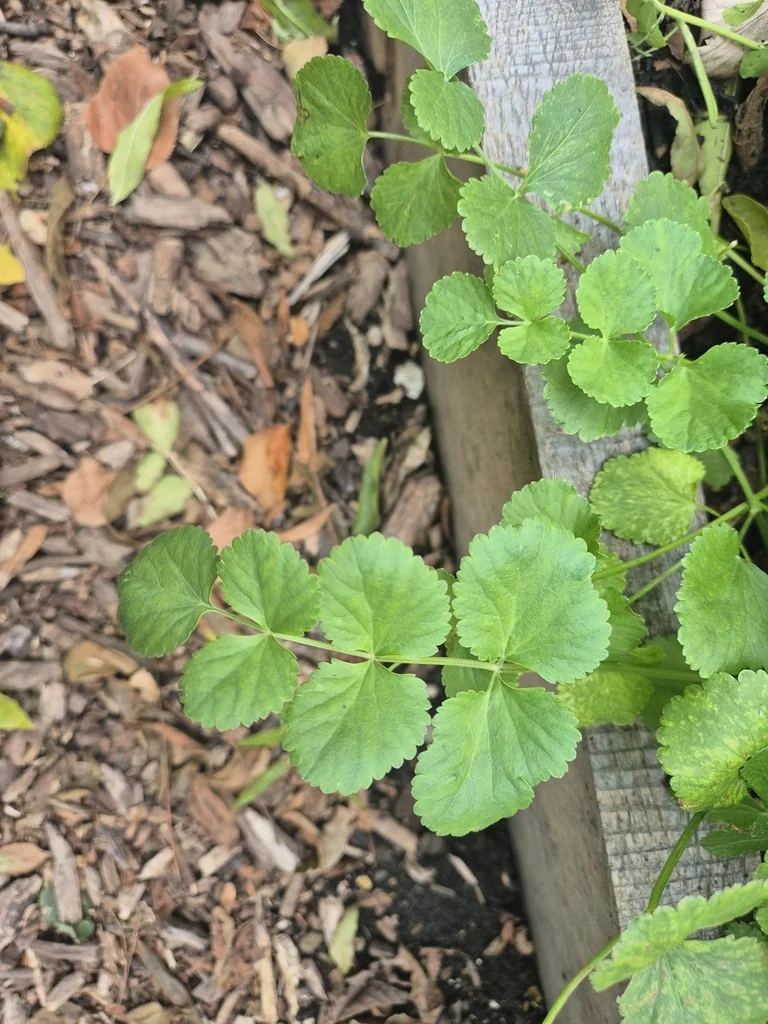
Young cultivated Pimpinella anisum plants with rounded, toothed basal leaves.
(c) Bobo-X / iNaturalist / CC BY 4.0
Photo details
Resized and converted to WebP. No content edits.
Source: iNaturalist photo 577258176
View the observation and community identifications on iNaturalist.
Reviewed . The photographed view, exact taxon scope, current community identifications, per-photo license and source attribution were reviewed. The observation is marked cultivated and casual, with two current agreeing community identifiers; it is not presented as research grade. The image illustrates plant appearance; it does not establish botanical measurements.
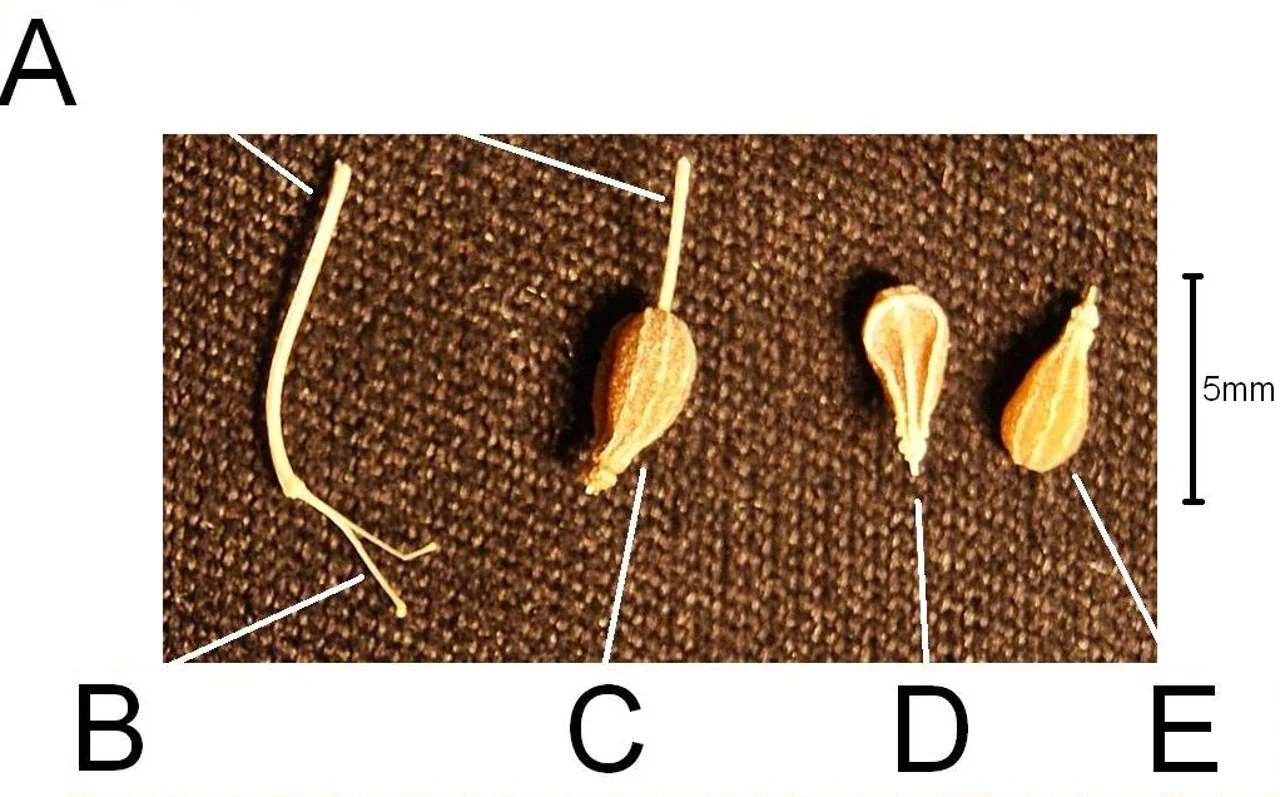
Close views of Pimpinella anisum fruit, commonly called anise seeds, with a 5 mm scale.
Danny Steven S. / Wikimedia Commons / CC BY-SA 3.0

Photo details
Resized and converted to WebP. No content edits.
Source: File:Pimpinella anisum Seed by Danny S. - 002.JPG
Reviewed . Source identification, photograph and license reviewed. The image illustrates the named plant; it does not verify dimensions or other plant traits.
Common names
29 names · 23 languagesOther languages (22)
- Dutch
-
- Anijs[1]
- French
-
- Anis vert[1]
- Afrikaans
-
- Anys[1]
- Armenian
-
- Անիսոն սովորական[1]
- Chinese (Simplified)
-
- 大茴香[1]
- Chinese (Traditional)
-
- 大茴香[1]
- Czech
-
- bedrník anýz[1]
- Estonian
-
- harilik aniis[1]
- Finnish
-
- anisruoho[1]
- German
-
- Anis[1]
- Hebrew
-
- כמנון האניס[1]
- Hungarian
-
- ánizs[1]
- Japanese
-
- アニス[1]
- Portuguese
-
- Anis[1]
- Russian
-
- Анис[1]
- Slovak
-
- bedrovník lekársky[1]
- Swedish
-
- anis[1]
- Thai
-
- เทียนสัตตบุษย์[1]
- Turkish
-
- anason[1]
Sources & name notes (1)
Names recorded in our plant catalogue and botanical sources, grouped by language. Usage can vary by region.
Numbered references identify names recorded by an external source. Other names are from our plant catalogue.
Community-curated iNaturalist taxonomy; common-name attestation, not an independent botanical determination.
Source records
- Anise — results[0].names[0]; taxon id 166878; Pimpinella anisum.
- Anis vert — results[0].names[1]; taxon id 166878; Pimpinella anisum.
- Anís — results[0].names[3]; taxon id 166878; Pimpinella anisum.
- matalahúva — results[0].names[4]; taxon id 166878; Pimpinella anisum.
- Anis — results[0].names[5]; taxon id 166878; Pimpinella anisum.
- bedrník anýz — results[0].names[6]; taxon id 166878; Pimpinella anisum.
- anisruoho — results[0].names[7]; taxon id 166878; Pimpinella anisum.
- harilik aniis — results[0].names[8]; taxon id 166878; Pimpinella anisum.
- Anís Verde — results[0].names[9]; taxon id 166878; Pimpinella anisum.
- Matalahúga — results[0].names[10]; taxon id 166878; Pimpinella anisum.
- Anis — results[0].names[11]; taxon id 166878; Pimpinella anisum.
- アニス — results[0].names[12]; taxon id 166878; Pimpinella anisum.
- Анис — results[0].names[13]; taxon id 166878; Pimpinella anisum.
- Անիսոն սովորական — results[0].names[14]; taxon id 166878; Pimpinella anisum.
- Anijs — results[0].names[15]; taxon id 166878; Pimpinella anisum.
- anason — results[0].names[16]; taxon id 166878; Pimpinella anisum.
- Anys — results[0].names[17]; taxon id 166878; Pimpinella anisum.
- anis — results[0].names[18]; taxon id 166878; Pimpinella anisum.
- anice comune — results[0].names[19]; taxon id 166878; Pimpinella anisum.
- anice verde — results[0].names[20]; taxon id 166878; Pimpinella anisum.
- 大茴香 — results[0].names[21]; taxon id 166878; Pimpinella anisum.
- 大茴香 — results[0].names[22]; taxon id 166878; Pimpinella anisum.
- aniseed — results[0].names[23]; taxon id 166878; Pimpinella anisum.
- Biedrzeniec anyż — results[0].names[24]; taxon id 166878; Pimpinella anisum.
- Anyż — results[0].names[25]; taxon id 166878; Pimpinella anisum.
- ánizs — results[0].names[26]; taxon id 166878; Pimpinella anisum.
- เทียนสัตตบุษย์ — results[0].names[27]; taxon id 166878; Pimpinella anisum.
- כמנון האניס — results[0].names[28]; taxon id 166878; Pimpinella anisum.
- bedrovník lekársky — results[0].names[29]; taxon id 166878; Pimpinella anisum.
General information
Accepted in the cited Kew taxonomic treatment.
Sources [1]Growing conditions
Moist, Well-drained
Sand (light) Loam (medium)
Acidic Neutral Alkaline
Uses
Leaves, Seed, Condiment, Tea
Essential oil, Insecticide, Repellent, Fragrant
Description
Young leaves of this plant can be eaten either raw or cooked. They have a sweet anise-like flavor and are refreshing to chew on. You can use them as a seasoning in salads, puddings, soups, and stews. If you add them to hot dishes, do so only in the last few minutes of cooking to preserve the flavor. The aromatic seeds can be eaten raw or used as a seasoning in both raw and cooked dishes such as soups, pies, bread, and cakes. They have a sweet licorice-like taste and help improve digestion. To harvest the seeds, cut the entire plant once the seeds are ripe. Let the plants dry in a warm, dry place for a week, and then thresh them to collect the seeds. Store the seeds in an airtight container in a dark place. The essential oil from the seeds is used as a food flavoring in candies, ice cream, gum, and pickles. It is also often used to flavor alcoholic beverages such as Pernod, ouzo, and anisette. You can use both the leaves and the seeds to make a sweet, licorice-like tea.
Harvest
Sources and references
References for the information marked with source numbers on this page.
-
Royal Botanic Gardens, Kew
World Checklist of Vascular Plants, version 16, extracted 4 June 2026
Relevant sections
- Botanical family: WCVP v16, wcvp_names.csv row 124787; name ID 2402470; Pimpinella L.. Family column.
- Taxonomy: WCVP v16, wcvp_names.csv row 124699; name ID 2402426; Pimpinella anisum L..
Source checked on .
Source data licence: CC BY 3.0.
-
NC State Extension, North Carolina State University
Pimpinella anisum — Extension Gardener Plant Toolbox
Relevant sections
- Growth habit: Habit/Form
- Life cycle: Life Cycle
- Light: Light
Source checked on .