Ocimum basilicum - L.
Sweet Basil, Common Basil, Thai Basil, Tropical Basil
Explore the size, hardiness, soil, light, edible uses and harvest period of Ocimum basilicum - L..
Plant photos
2 photos · Select to enlarge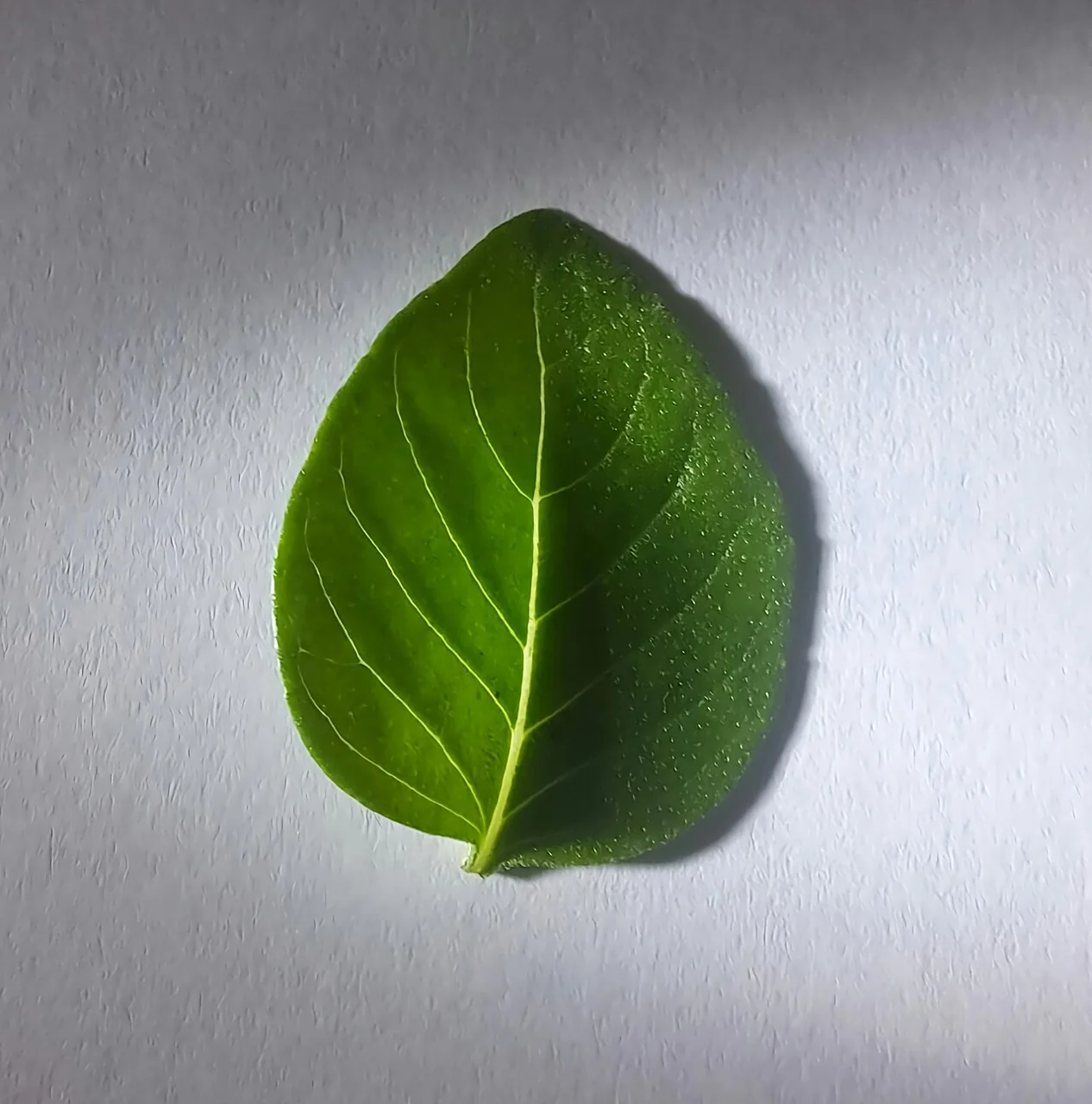
Leaves of Ocimum basilicum.
BernaBotto / Wikimedia Commons / CC BY-SA 4.0

Photo details
Resized and converted to WebP. No content edits.
Source: File:Ocimum Basilicum leaf lighted by the left.jpg
Reviewed . Source identification, photograph and license reviewed. The image illustrates the named plant; it does not verify dimensions or other plant traits.
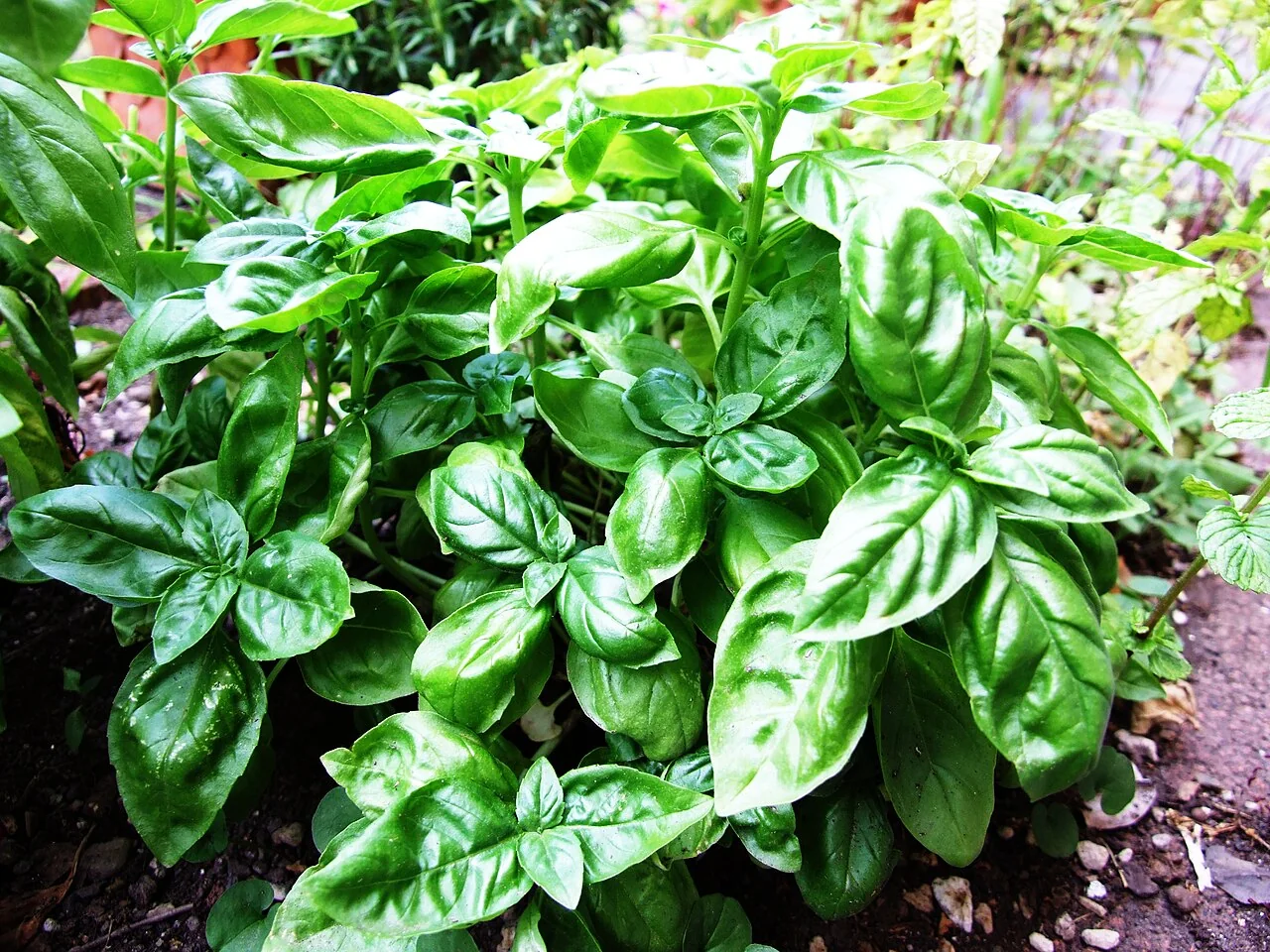
Leaves of cultivated Ocimum basilicum.
Castielli / Wikimedia Commons / CC BY-SA 3.0

Photo details
Resized and converted to WebP. No content edits.
Source: File:Basil-Basilico-Ocimum basilicum-albahaca.jpg
Reviewed . Source identification, photograph and license reviewed. The image illustrates the named plant; it does not verify dimensions or other plant traits.
Common names
6 names · 3 languages- EnglishYour language
-
- Common Basil
- Sweet Basil
- Thai Basil
+1 more nameShow fewer names
- Tropical Basil
Other languages (2)
- Dutch
-
- Basilicum
- French
-
- Basilic
Sources & name notes
Names recorded in our plant catalogue, grouped by language. Usage can vary by region.
General information
Accepted in the cited taxonomic treatment. Botanical references may use alternative names.
Sources [1]Plant characteristics
Growing conditions
Moist
Sand (light) Loam (medium)
Acidic Neutral Alkaline
Full sun
Uses
Leaves, Seed
Repellent, Essential oil
Description
Leaves and flowers - raw or cooked. They are used as a seasoning or as spinach, especially in tomato dishes, pasta sauces, beans, bell peppers, and eggplants. The leaves are usually used fresh but can also be dried for use in winter. They are a very fine addition to salads due to their delightful clove aroma. Use the leaves sparingly in the kitchen, as heat concentrates the flavor. A refreshing tea can be made from the leaves. The seeds can be eaten on their own or added to bread dough as a seasoning. When soaked in water, they become slimy and can be turned into a refreshing drink called 'sherbet tokhum' in the Mediterranean region. An essential oil obtained from the plant is used as a flavoring in mustard, sauces, vinegars, etc.
Harvest
Sources and references
References for the information marked with source numbers on this page.
-
Royal Botanic Gardens, Kew
World Checklist of Vascular Plants, version 16, extracted 4 June 2026
Relevant sections
- Taxonomy: WCVP version 16, wcvp_names.csv: Ocimum basilicum L., name ID 136820, row 1062209
- Botanical family: WCVP v16, wcvp_names.csv row 128492; name ID 136790; Ocimum L.. Family column.
Source checked on .
Source data licence: CC BY 3.0.