Lepidium sativum
Cress
Explore the size, hardiness, soil, light, edible uses and harvest period of Lepidium sativum.
Plant photos
2 photos · Select to enlarge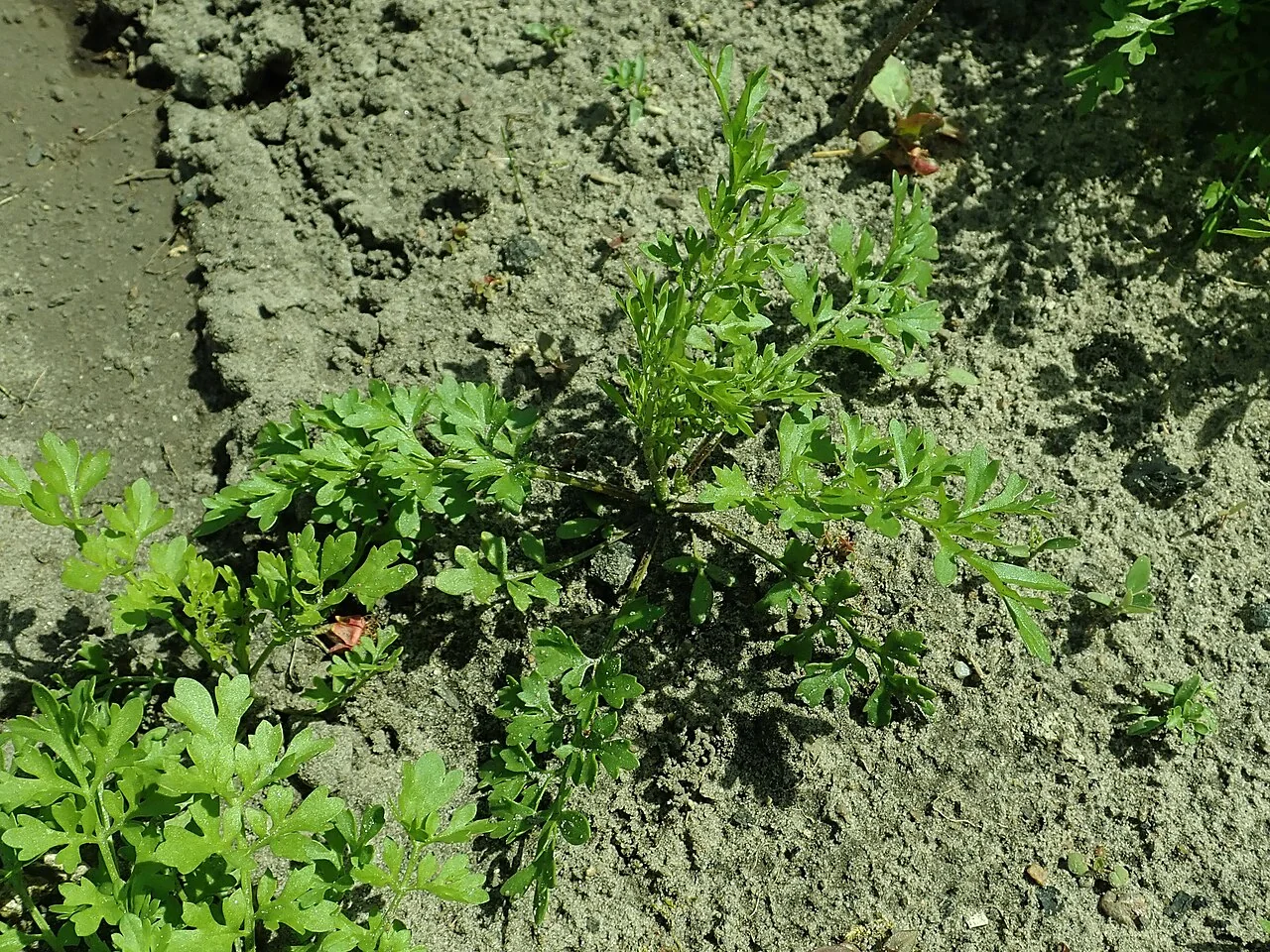
The growth habit of Lepidium sativum.
Salicyna / Wikimedia Commons / CC BY-SA 4.0

Photo details
Resized and converted to WebP. No content edits.
Source: File:Lepidium sativum 2019-05-12 3196.jpg
Reviewed . Source identification, photograph and license reviewed. The image illustrates the named plant; it does not verify dimensions or other plant traits.
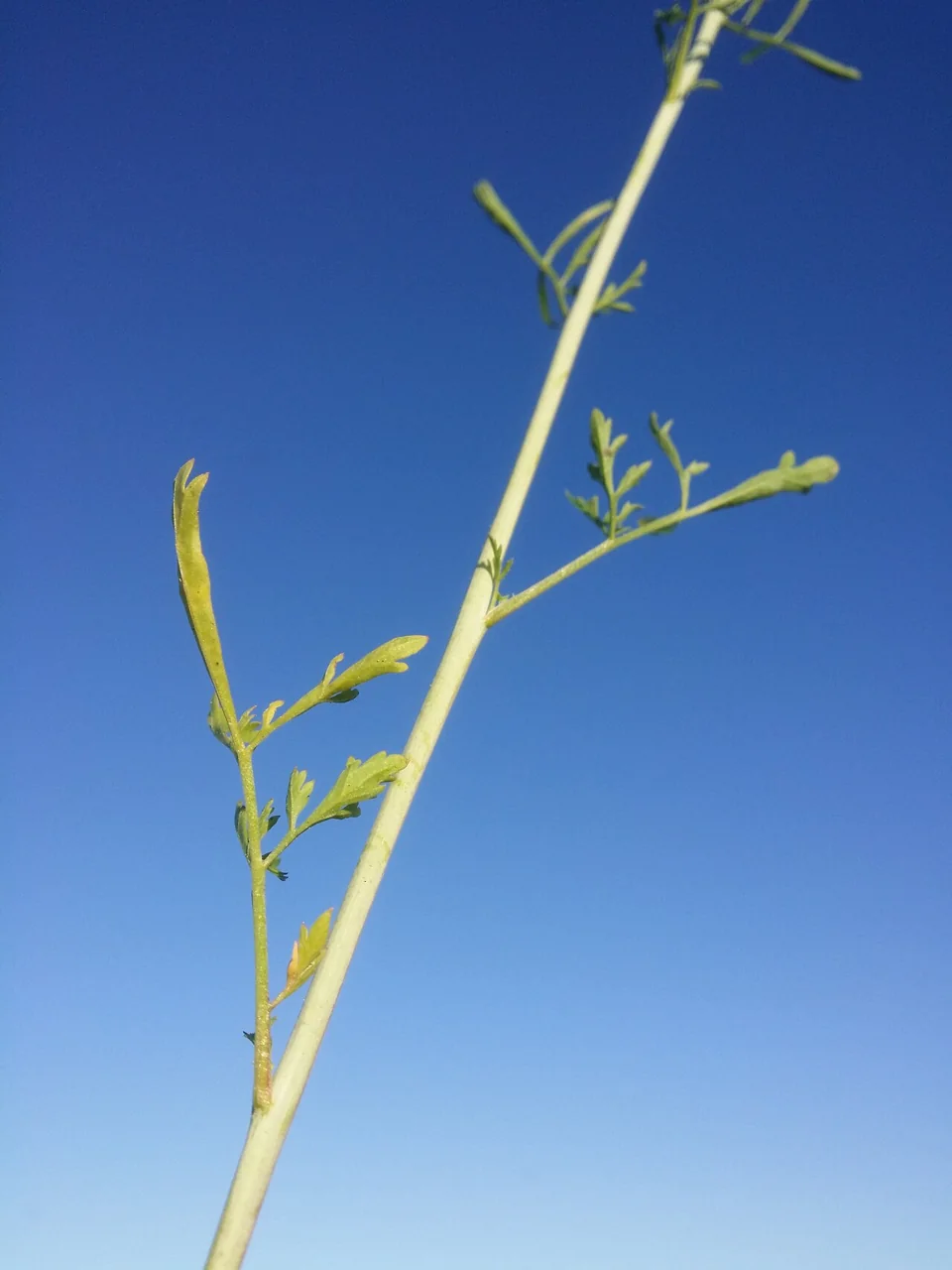
A stem and narrow upper leaves of Lepidium sativum.
Stefan.lefnaer / Wikimedia Commons / CC BY-SA 4.0

Photo details
Resized and converted to WebP. No content edits.
Source: File:Lepidium sativum sl32.jpg
Reviewed . Source identification, photograph and license reviewed. The image illustrates the named plant; it does not verify dimensions or other plant traits.
Common names
30 names · 23 languagesOther languages (22)
- Dutch
-
- Tuinkers[1]
- Arabic
-
- رشاد مزروع[1]
- Chinese (Simplified)
-
- 家独行菜[1]
- Chinese (Traditional)
-
- 家獨行菜[1]
- Czech
-
- řeřicha setá[1]
- Finnish
-
- vihanneskrassi[1]
- German
-
- Gartenkresse[1]
- Hebrew
-
- שחליים תרבותיים[1]
- Hungarian
-
- Kerti zsázsa[1]
- Italian
-
- crescione inglese[1]
- Japanese
-
- コショウソウ[1]
- Kannada
-
- alavibija[1]
- Norwegian
-
- matkarse[1]
- Polish
-
- pieprzyca siewna[1]
- Portuguese
-
- Mastruço-ordinário[1]
- Slovak
-
- žerucha siata[1]
- Slovenian
-
- vrtna kreša[1]
- Swedish
-
+1 more nameShow fewer names
- trädgårdskrasse[1]
- Turkish
-
- tere[1]
- Ukrainian
-
- Хрінниця сійна, крес-салат[1]
Sources & name notes (1)
Names recorded in our plant catalogue and botanical sources, grouped by language. Usage can vary by region.
Numbered references identify names recorded by an external source. Other names are from our plant catalogue.
Community-curated iNaturalist taxonomy; common-name attestation, not an independent botanical determination.
Source records
- Garden Cress — results[0].names[2]; taxon id 164527; Lepidium sativum.
- Mastruço-ordinário — results[0].names[3]; taxon id 164527; Lepidium sativum.
- Cress — results[0].names[4]; taxon id 164527; Lepidium sativum.
- Passerage cultivée — results[0].names[5]; taxon id 164527; Lepidium sativum.
- alavibija — results[0].names[6]; taxon id 164527; Lepidium sativum.
- שחליים תרבותיים — results[0].names[7]; taxon id 164527; Lepidium sativum.
- řeřicha setá — results[0].names[8]; taxon id 164527; Lepidium sativum.
- Gartenkresse — results[0].names[9]; taxon id 164527; Lepidium sativum.
- matkarse — results[0].names[10]; taxon id 164527; Lepidium sativum.
- vihanneskrassi — results[0].names[11]; taxon id 164527; Lepidium sativum.
- رشاد مزروع — results[0].names[12]; taxon id 164527; Lepidium sativum.
- コショウソウ — results[0].names[13]; taxon id 164527; Lepidium sativum.
- smörgåskrasse — results[0].names[14]; taxon id 164527; Lepidium sativum.
- kryddkrassing — results[0].names[15]; taxon id 164527; Lepidium sativum.
- kryddkrasse — results[0].names[16]; taxon id 164527; Lepidium sativum.
- trädgårdskrasse — results[0].names[17]; taxon id 164527; Lepidium sativum.
- Клоповник посевной — results[0].names[18]; taxon id 164527; Lepidium sativum.
- Tuinkers — results[0].names[19]; taxon id 164527; Lepidium sativum.
- tere — results[0].names[20]; taxon id 164527; Lepidium sativum.
- crescione inglese — results[0].names[21]; taxon id 164527; Lepidium sativum.
- 家独行菜 — results[0].names[22]; taxon id 164527; Lepidium sativum.
- Хрінниця сійна, крес-салат — results[0].names[23]; taxon id 164527; Lepidium sativum.
- pieprzyca siewna — results[0].names[24]; taxon id 164527; Lepidium sativum.
- кресс-салат — results[0].names[25]; taxon id 164527; Lepidium sativum.
- 家獨行菜 — results[0].names[26]; taxon id 164527; Lepidium sativum.
- Kerti zsázsa — results[0].names[27]; taxon id 164527; Lepidium sativum.
- Passerage cressonnette — results[0].names[28]; taxon id 164527; Lepidium sativum.
- Cresson alénois — results[0].names[29]; taxon id 164527; Lepidium sativum.
- vrtna kreša — results[0].names[30]; taxon id 164527; Lepidium sativum.
- žerucha siata — results[0].names[31]; taxon id 164527; Lepidium sativum.
General information
Kew's family placement for the genus Lepidium (WCVP v16).
Sources [1]Plant characteristics
Growing conditions
Moist
Sand (light) Loam (medium) Clay (heavy)
Acidic Neutral Alkaline
Full sun, Partial shade
Uses
Leaves, Oil, Condiment
Oil
Description
Young leaves can be eaten raw or cooked. They have a spicy flavor, similar to watercress, and are a great addition to salads in small quantities. The roots of this plant are used as a spice and have a sharp taste, but they are quite small and have a woody texture. Fresh or dried seed pods can serve as a sharp flavoring. The seeds can be sprouted by giving them little light until the shoots are a few centimeters long, after which they can be added to salads. The sprouting process takes about 7 days, and the shoots have a pleasantly spicy flavor. Edible oil can be obtained from the seeds.
Harvest
Sources and references
References for the information marked with source numbers on this page.
-
Royal Botanic Gardens, Kew
World Checklist of Vascular Plants, version 16, extracted 4 June 2026
Relevant sections
- Botanical family: WCVP v16, wcvp_names.csv row 46896; name ID 2338293; Lepidium L.. Family column.
- Taxonomy: WCVP v16, wcvp_names.csv row 494322; name ID 2338547; Lepidium sativum L..
Source checked on .
Source data licence: CC BY 3.0.
-
Catalogue of Life
Catalogue of Life 2026-08-20 — Lepidium sativum
Taxonomic data from World Plants, version 26.05, reproduced in Catalogue of Life 2026-08-20.
Supports: TaxonomyRelevant sections
- Taxonomy: COL 2026-08-20, NameUsage.tsv line 2280051, ID 6PBBR: Lepidium sativum L. (accepted).
Source checked on .