Lavandula x intermedia
Lavender, Lavandula
Explore the size, hardiness, soil, light, harvest period and uses of Lavandula x intermedia.
Plant photos
1 photo · Select to enlarge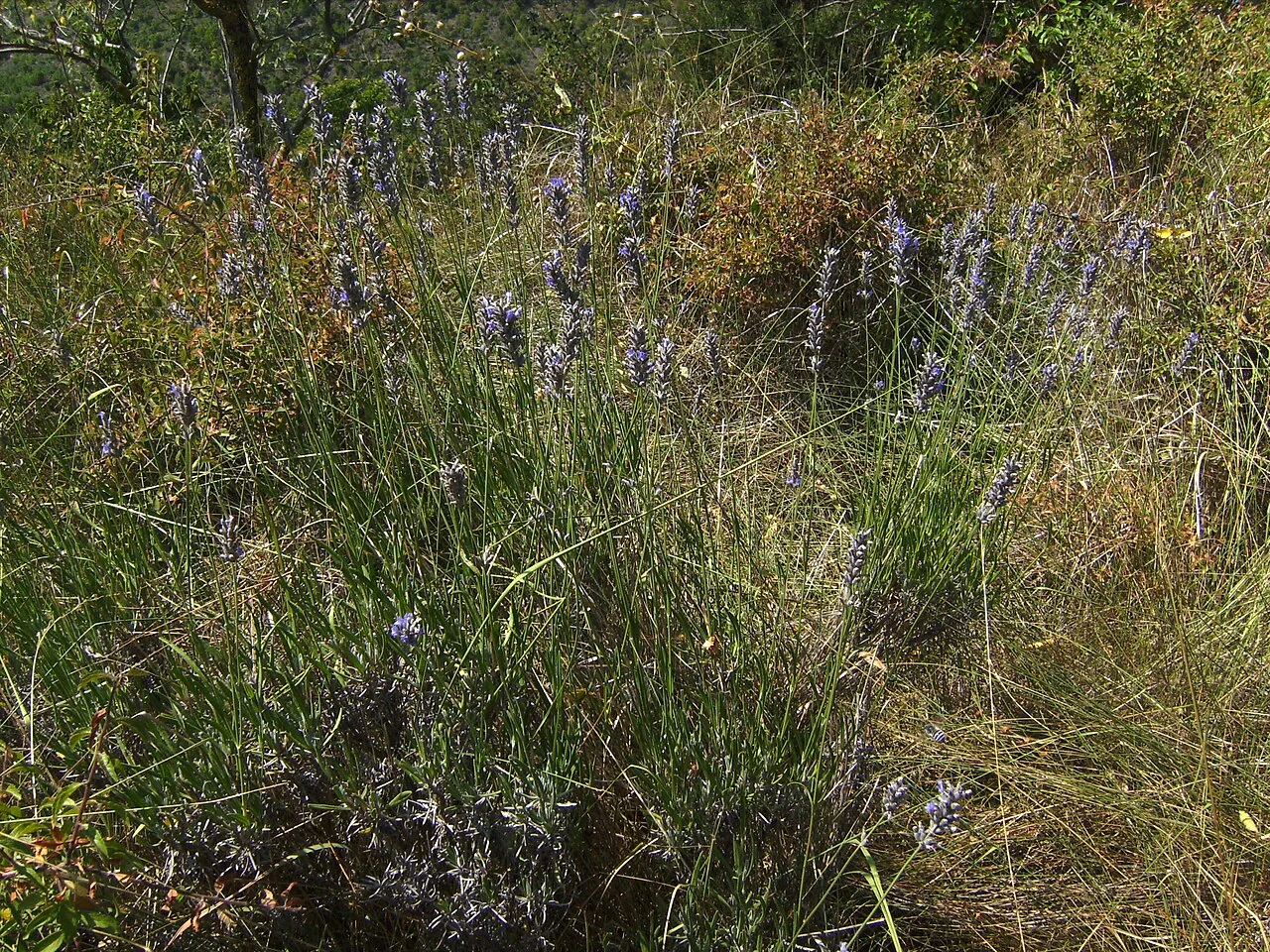
Lavandula × intermedia in flower.
Victor M. Vicente Selvas / Wikimedia Commons / CC BY-SA 3.0

Photo details
Resized and converted to WebP. No content edits.
Source: File:Lavandí 2012.JPG
Reviewed . Source identification, photograph and license reviewed. The image illustrates the named plant; it does not verify dimensions or other plant traits.
Common names
5 names · 3 languages- EnglishYour language
-
- Lavandula
- Lavender
Other languages (2)
- Dutch
-
- Hybridelavendel
- Lavandin
- French
-
- Lavande
Sources & name notes
Names recorded in our plant catalogue, grouped by language. Usage can vary by region.
General information
Plant characteristics
NC State landscape size range; converted from feet and inches. Size varies with site, age and management.
Sources [3]NC State landscape size range; converted from feet and inches. Size varies with site, age and management.
Sources [3]Whole-plant habit and form as described by NC State.
Sources [3]Uses
Oil, Insecticide, Essential oil, Incense, Hedge
Harvest
Sources and references
References for the information marked with source numbers on this page.
-
Royal Botanic Gardens, Kew
World Checklist of Vascular Plants, version 16, extracted 4 June 2026
Relevant sections
- Taxonomy: WCVP version 16, wcvp_names.csv: Lavandula × intermedia Emeric ex Loisel., name ID 109030, row 1039277
- Botanical family: WCVP v16, wcvp_names.csv row 1039173; name ID 108966; Lavandula L.. Family column.
Source checked on .
Source data licence: CC BY 3.0.
-
Catalogue of Life
Catalogue of Life 2026-08-20 — Lavandula × intermedia
Taxonomic data from World Plants, version 26.05, reproduced in Catalogue of Life 2026-08-20.
Supports: TaxonomyRelevant sections
- Taxonomy: COL 2026-08-20, NameUsage.tsv line 2275292, ID 6P487: Lavandula × intermedia Emeric ex Loisel. (accepted).
Source checked on .
-
NC State Extension, North Carolina State University
Lavandula x intermedia
(Hybrid Lavender, Lavandin)
|
North Carolina Extension Gardener Plant Toolbox
Supports: DescriptionHeightSpreadGrowth rateFoliageGrowth habitLife cycleLightSoil moistureSoil textureSoil pHUSDA hardiness
Relevant sections
- Description: Description; Whole Plant Traits; Edibility; Poison Symptoms and Toxic Principle, where applicable
- Height: Dimensions > Height; Height: 2 ft. 0 in. - 3 ft. 0 in.
- Spread: Dimensions > Width; Width: 2 ft. 0 in. - 3 ft. 0 in.
- Growth rate: Growth Rate
- Foliage: Woody Plant Leaf Characteristics
- Growth habit: Habit/Form
- Life cycle: Life Cycle
- Light: Light
- Soil moisture: Soil Drainage
- Soil texture: Soil Texture
- Soil pH: Soil pH
- USDA hardiness: USDA Plant Hardiness Zone
Source checked on .
-
World Health Organization
Snakebite envenoming: Treatment
Supports: Description
Relevant sections
- Description: Treatment guidance; avoidance of traditional remedies and prompt medical care
Source checked on .