Epilobium angustifolium
Willow Herb
Explore the size, hardiness, soil, light, edible uses and harvest period of Epilobium angustifolium.
Plant photos
2 photos · Select to enlarge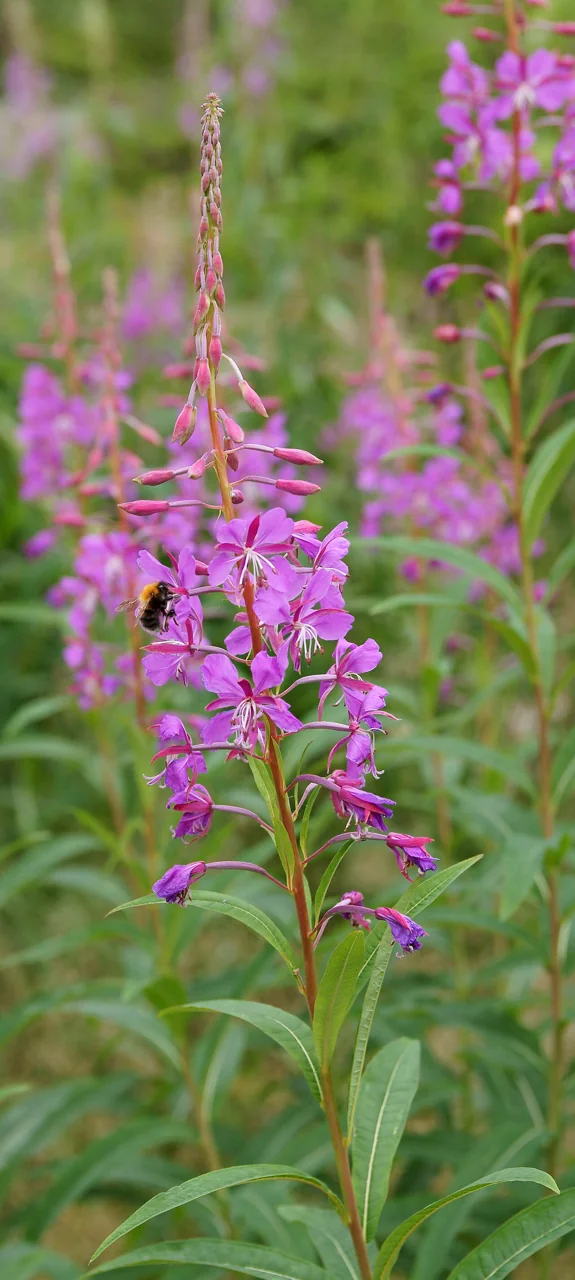
Epilobium angustifolium in flower.
kallerna / Wikimedia Commons / CC BY-SA 3.0
.JPG)
Photo details
Resized and converted to WebP. No content edits.
Source: File:Maitohorsma (Epilobium angustifolium).JPG
Reviewed . Source identification, photograph and license reviewed. The image illustrates the named plant; it does not verify dimensions or other plant traits.
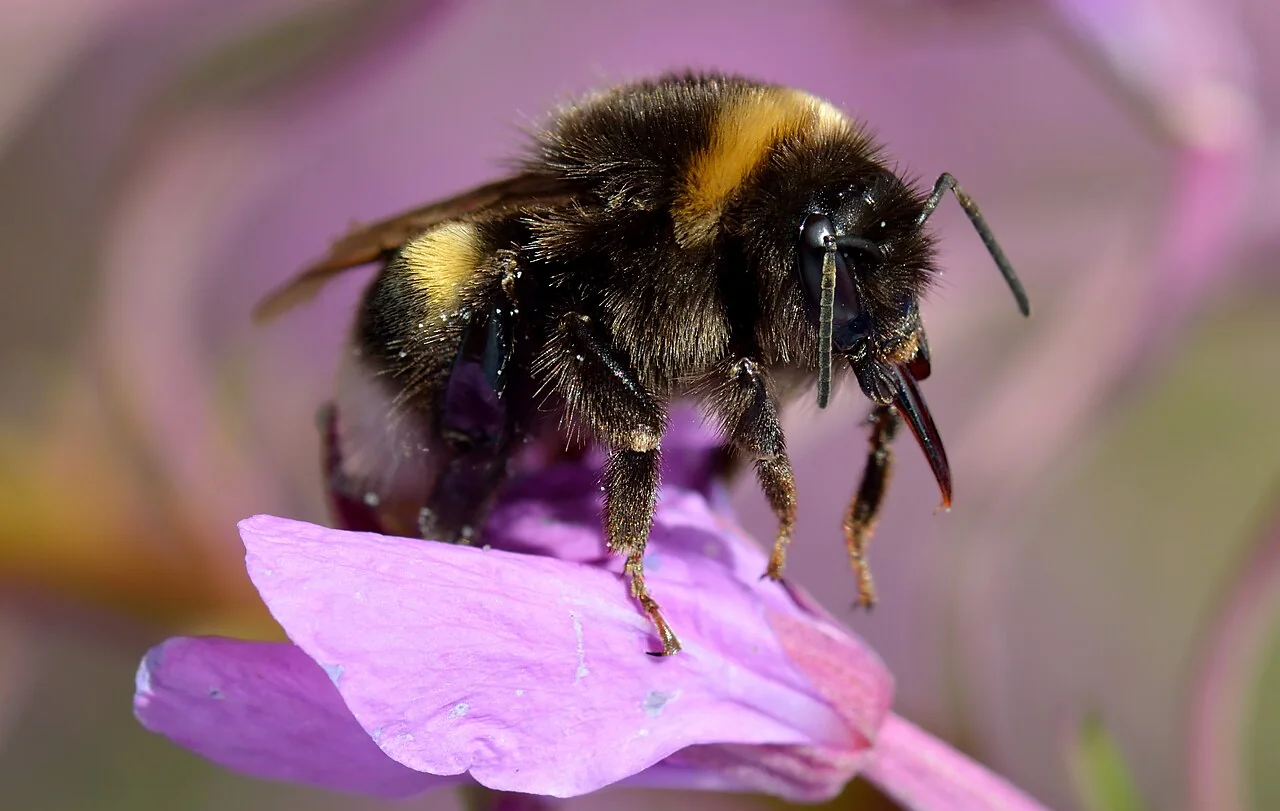
A white-tailed bumblebee visiting an Epilobium angustifolium flower.
Ivar Leidus / Wikimedia Commons / CC BY-SA 4.0

Photo details
Resized and converted to WebP. No content edits.
Source: File:Bombus lucorum - Epilobium angustifolium - Keila.jpg
Reviewed . Source identification, photograph and license reviewed. The image illustrates the named plant; it does not verify dimensions or other plant traits.
Common names
3 names · 3 languages- EnglishYour language
-
- Willow Herb
Other languages (2)
- Dutch
-
- Wilgenroosje
- French
-
- Épilobe en épi
Sources & name notes
Names recorded in our plant catalogue, grouped by language. Usage can vary by region.
General information
Accepted in the cited Kew taxonomic treatment.
Sources [1]Plant characteristics
NC State landscape size range; converted from feet and inches. Size varies with site, age and management.
Sources [2]NC State landscape size range; converted from feet and inches. Size varies with site, age and management.
Sources [2]Growing conditions
USDA zones listed by NC State; winter survival does not establish reliable cropping.
Sources [2]Uses
Leaves, Flowers, Root, Stems, Tea
Fibre, Stuffing, Bee forage
Description
Leaves and the tips of young shoots of the willowherb can be eaten raw or cooked, for example in salads or as a vegetable. This plant contains a lot of vitamins A and C. Only the young leaves should be used, and they can also be dried to make sweet tea, also known as 'kaporie' tea in Russia. The young shoots can be cooked and serve as a good substitute for asparagus. The root of the willowherb can be eaten raw, cooked, or dried. The dried root can be ground into powder and has a sweet taste. Flower stems of the plant are suitable for adding raw or cooked to salads when the flowers are still in bud. The pith of the stem is sweet, tender, and limited in quantity, but can be used as a flavoring in soups due to its gelatinous texture. The willowherb is known as a mild laxative, but it is advised not to consume it on an empty stomach.
Harvest
Sources and references
References for the information marked with source numbers on this page.
-
Royal Botanic Gardens, Kew
World Checklist of Vascular Plants, version 16, extracted 4 June 2026
Relevant sections
- Botanical family: WCVP v16, wcvp_names.csv row 1380823; name ID 2790034; Epilobium Dill. ex L.. Family column.
- Taxonomy: WCVP v16, wcvp_names.csv row 1383026; name ID 2790112; Epilobium angustifolium L..
Source checked on .
Source data licence: CC BY 3.0.
-
NC State Extension, North Carolina State University
Epilobium angustifolium — Extension Gardener Plant Toolbox
Supports: HeightSpreadGrowth rateFoliageGrowth habitLife cycleLightSoil moistureSoil textureSoil pHUSDA hardiness
Relevant sections
- Height: Dimensions > Height; Height: 2 ft. 0 in. - 5 ft. 0 in.
- Spread: Dimensions > Width; Width: 1 ft. 0 in. - 3 ft. 0 in.
- Growth rate: Growth Rate
- Foliage: Woody Plant Leaf Characteristics
- Growth habit: Habit/Form
- Life cycle: Life Cycle
- Light: Light
- Soil moisture: Soil Drainage
- Soil texture: Soil Texture
- Soil pH: Soil pH
- USDA hardiness: USDA Plant Hardiness Zone
Source checked on .