Duchesnea indica
Mock Strawberry
Explore the size, hardiness, soil, light, edible uses and harvest period of Duchesnea indica.
Plant photos
2 photos · Select to enlarge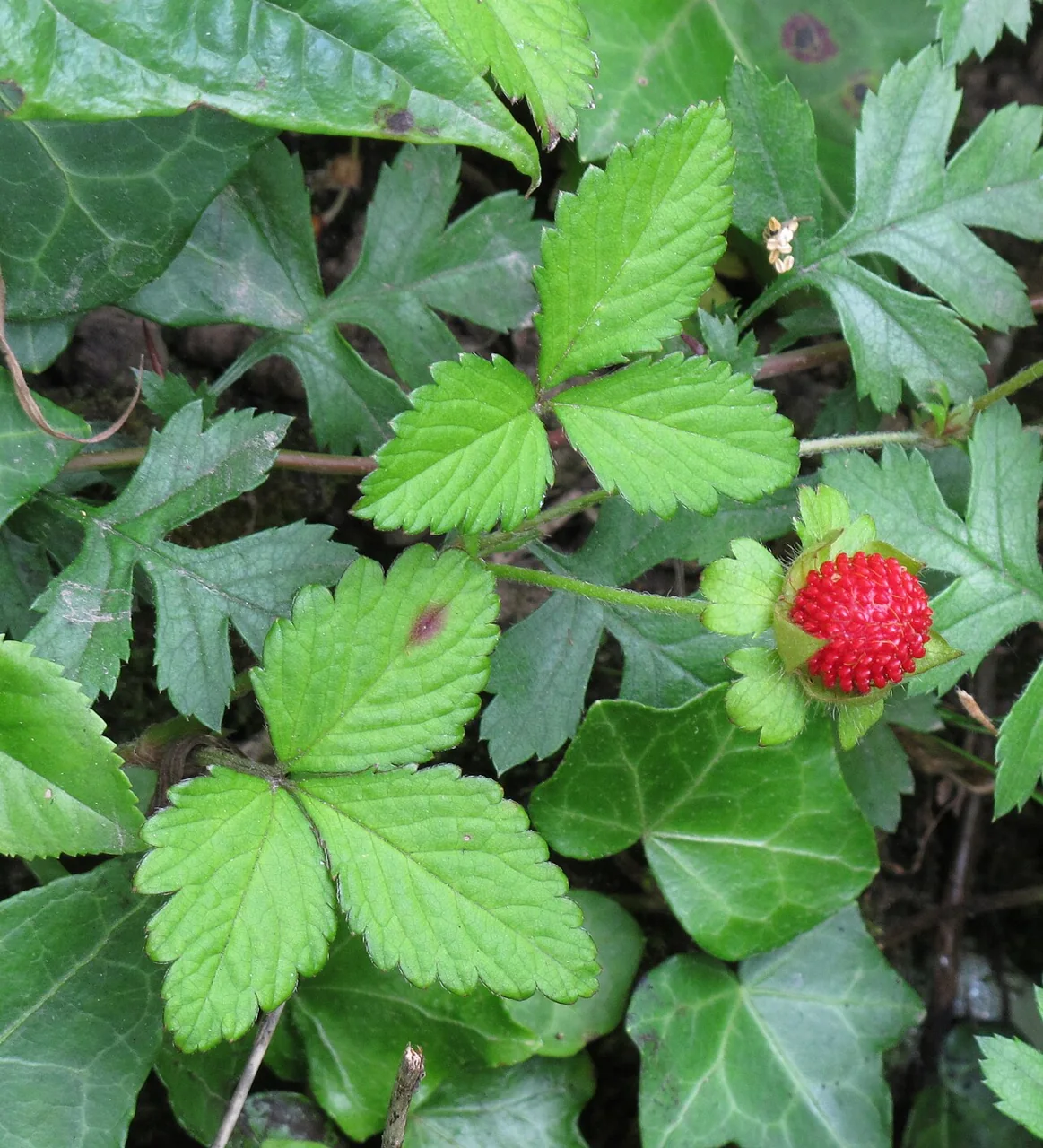
A fruiting Potentilla indica plant.
Robert Flogaus-Faust / Wikimedia Commons / CC BY 4.0

Photo details
Resized and converted to WebP. No content edits.
Source: File:Potentilla indica RF.jpg
Reviewed . Source identification, photograph and license reviewed. The image illustrates the named plant; it does not verify dimensions or other plant traits.
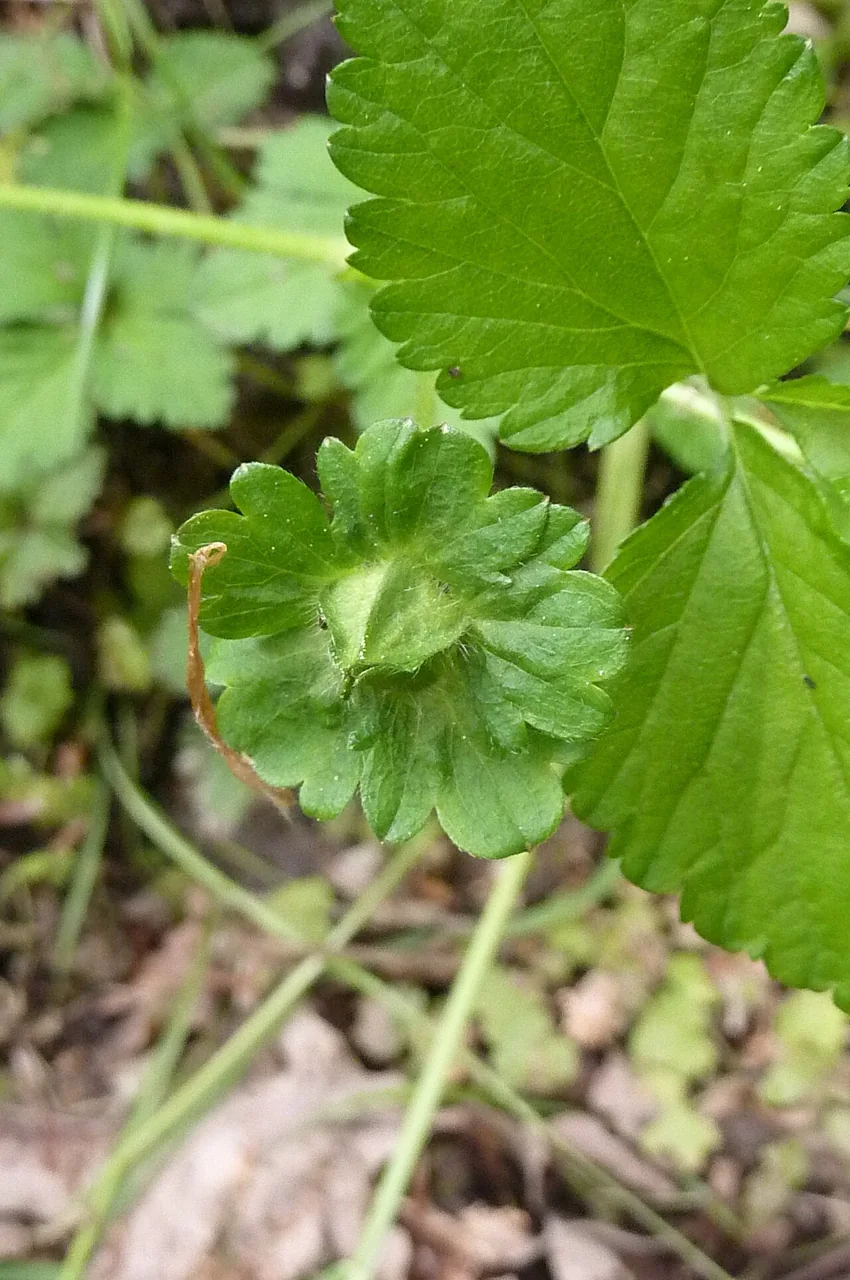
Developing fruit of Potentilla indica.
Katrin Schneider, korina.info – CC-BY-SA-4.0 / Wikimedia Commons / CC BY-SA 4.0

Photo details
Resized and converted to WebP. No content edits.
Source: File:Korina 2011-05-14 Potentilla indica 2.jpg
Reviewed . Source identification, photograph and license reviewed. The image illustrates the named plant; it does not verify dimensions or other plant traits.
Common names
4 names · 3 languages- EnglishYour language
-
- Mock Strawberry
Other languages (2)
- Dutch
-
- Indische aardbei
- Schijnaardbei
- French
-
- Fraisier des Indes
Sources & name notes
Names recorded in our plant catalogue, grouped by language. Usage can vary by region.
General information
Accepted in the cited taxonomic treatment. Botanical references may use alternative names.
Sources [1]Plant characteristics
NC State landscape size range; converted from feet and inches. Size varies with site, age and management.
Sources [2]NC State landscape size range; converted from feet and inches. Size varies with site, age and management.
Sources [2]Growing conditions
USDA zones listed by NC State; winter survival does not establish reliable cropping.
Sources [2]Moist
Sand (light) Loam (medium) Clay (heavy)
Acidic Neutral Alkaline
Uses
Fruit, Leaves
Ground cover
Description
Fruit - raw. The fruit is dry and tasteless. Some describe the taste as somewhat similar to a watermelon, although this may be more imagination than reality. The fruit contains about 3.4% sugar, 1.5% protein, and 1.6% ash. The vitamin C content is 6.3 mg per 100 ml of juice. The fruit has a diameter of about 10 mm, resembles a strawberry in appearance and texture, but has very little taste. A plant of 2.5 m² produces about 150 g of fruit per year. The leaves can be cooked and eaten.
Harvest
Sources and references
References for the information marked with source numbers on this page.
-
Royal Botanic Gardens, Kew
World Checklist of Vascular Plants, version 16, extracted 4 June 2026
Relevant sections
- Taxonomy: WCVP version 16, wcvp_names.csv: Duchesnea indica (Andrews) Teschem., name ID 2948241, row 1439363; Potentilla indica (Andrews) Th.Wolf, name ID 2955403, row 1439356
- Botanical family: WCVP v16, wcvp_names.csv row 1438673; name ID 2948231; Duchesnea Sm.. Family column.
Source checked on .
Source data licence: CC BY 3.0.
-
NC State Extension, North Carolina State University
Potentilla indica — Extension Gardener Plant Toolbox
Relevant sections
- Height: Dimensions > Height; Height: 0 ft. 3 in. - 0 ft. 8 in.
- Spread: Dimensions > Width; Width: 1 ft. 0 in. - 2 ft. 0 in.
- Growth rate: Growth Rate
- Foliage: Woody Plant Leaf Characteristics
- Growth habit: Habit/Form
- Life cycle: Life Cycle
- Light: Light
- USDA hardiness: USDA Plant Hardiness Zone
Source checked on .