Cynara scolymus
Globe Artichoke
Explore the size, hardiness, soil, light, edible uses and harvest period of Cynara scolymus.
Plant photos
2 photos · Select to enlarge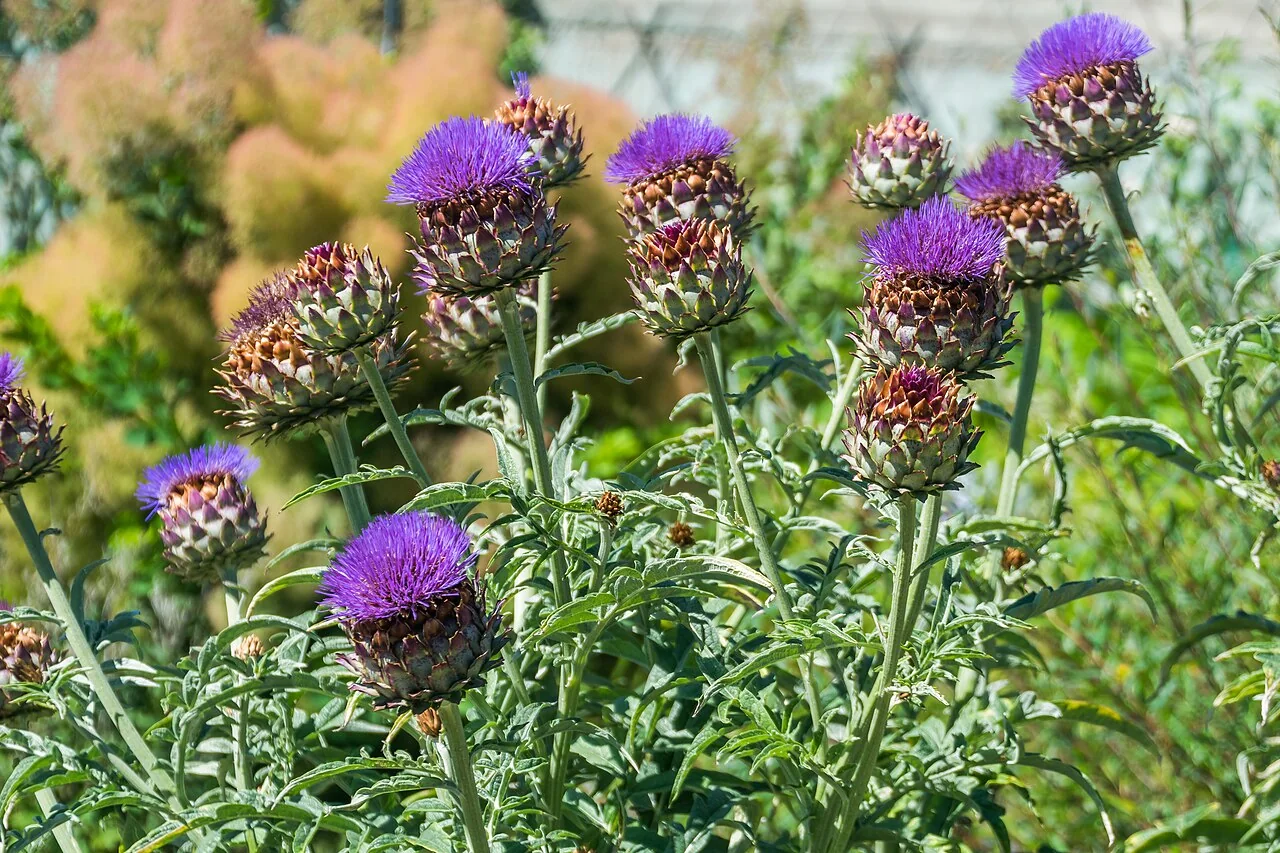
Cynara scolymus in flower.
Krzysztof Golik / Wikimedia Commons / CC BY-SA 4.0

Photo details
Resized and converted to WebP. No content edits.
Source: File:Cynara scolymus in Jardin botanique de la Charme 01.jpg
Reviewed . Source identification, photograph and license reviewed. The image illustrates the named plant; it does not verify dimensions or other plant traits.
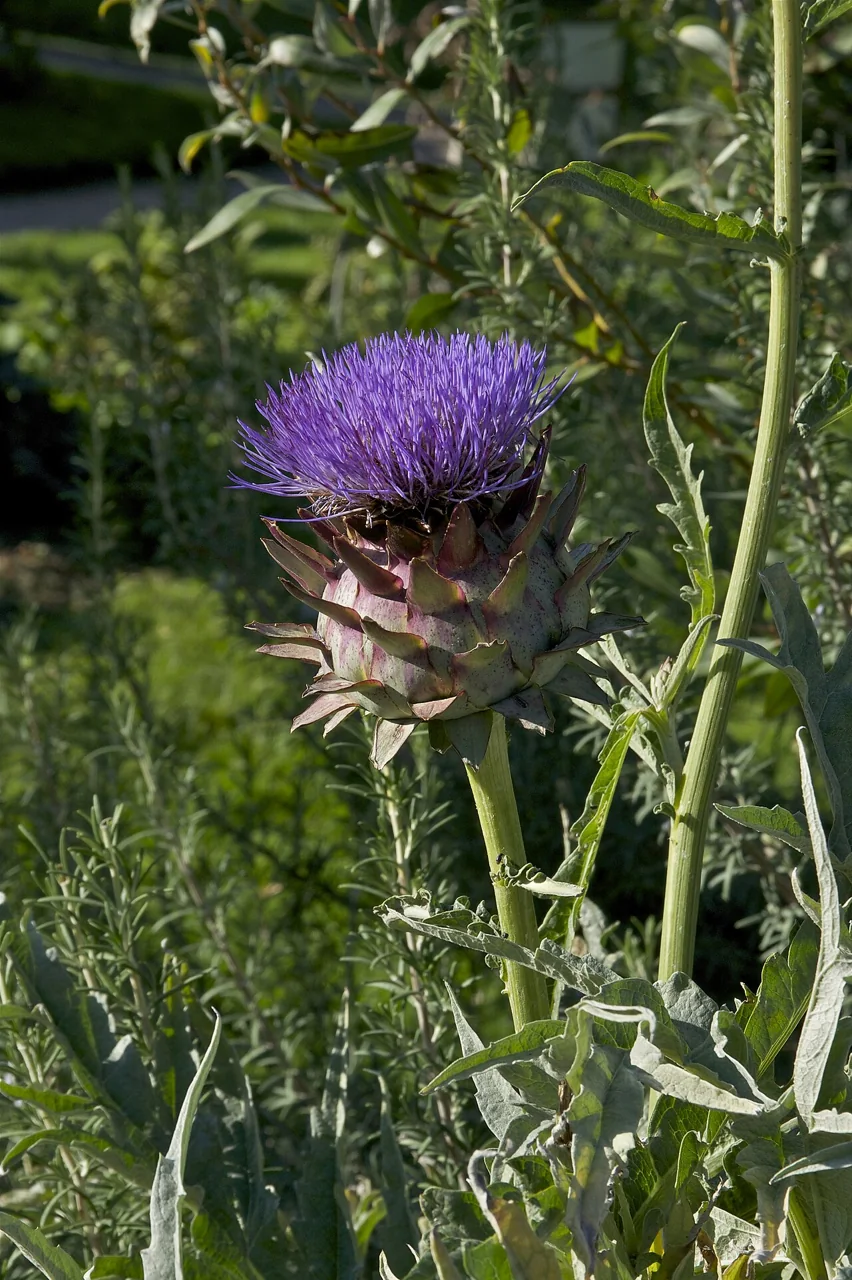
Flowers of Cynara scolymus.
Jebulon / Wikimedia Commons / CC0

Photo details
Resized and converted to WebP. No content edits.
Source: File:Cynara cardunculus var. scolymus in Jardin des Plante de Paris.jpg
Reviewed . Source identification, photograph and license reviewed. The image illustrates the named plant; it does not verify dimensions or other plant traits.
Common names
3 names · 3 languages- EnglishYour language
-
- Globe Artichoke
Other languages (2)
- Dutch
-
- Artisjok
- French
-
- Artichaut
Sources & name notes
Names recorded in our plant catalogue, grouped by language. Usage can vary by region.
General information
This record describes globe artichoke. The accepted subspecies also covers other plant material.
Sources [1]Plant characteristics
Growing conditions
Moist, Well-drained
Sand (light) Loam (medium) Clay (heavy)
Acidic Neutral Alkaline
Full sun
Uses
Fruit, Leaves, Stems
Dye, Carbon farming
Description
When harvesting globe artichokes, flower buds that have not yet opened are used. These have a mild and pleasant flavor. Although globe artichokes are considered a delicacy, they can be difficult to eat. Only the base of the involucral leaves and the 'heart' from which the petals grow are consumed. Baby artichokes on side stems can be pickled or added to soups and stews. The plants produce about 5 to 6 main heads per year starting from the second year. Flower stems can be eaten both raw and cooked and have a sweet, nutty flavor. Young leaf stems can serve as a substitute for celery. To reduce bitterness, they are usually blanched before being consumed raw or cooked. The leaves have a bitter taste and are eaten cooked. Dried flowers can be used as a rennet substitute when curdling plant milk.
Harvest
Sources and references
References for the information marked with source numbers on this page.
-
Royal Botanic Gardens, Kew
World Checklist of Vascular Plants, version 16, extracted 4 June 2026
Relevant sections
- Taxonomy: WCVP version 16, wcvp_names.csv: Cynara scolymus L., name ID 2910164, row 836358; Cynara cardunculus subsp. cardunculus , name ID 3265625, row 697949
- Botanical family: WCVP v16, wcvp_names.csv row 560388; name ID 3134409; Cynara L.. Family column.
Source checked on .
Source data licence: CC BY 3.0.