Crataegus tanacetifolia
Tansy-Leaved Thorn
Explore the size, hardiness, soil, light, edible uses and harvest period of Crataegus tanacetifolia.
Plant photos
2 photos · Select to enlarge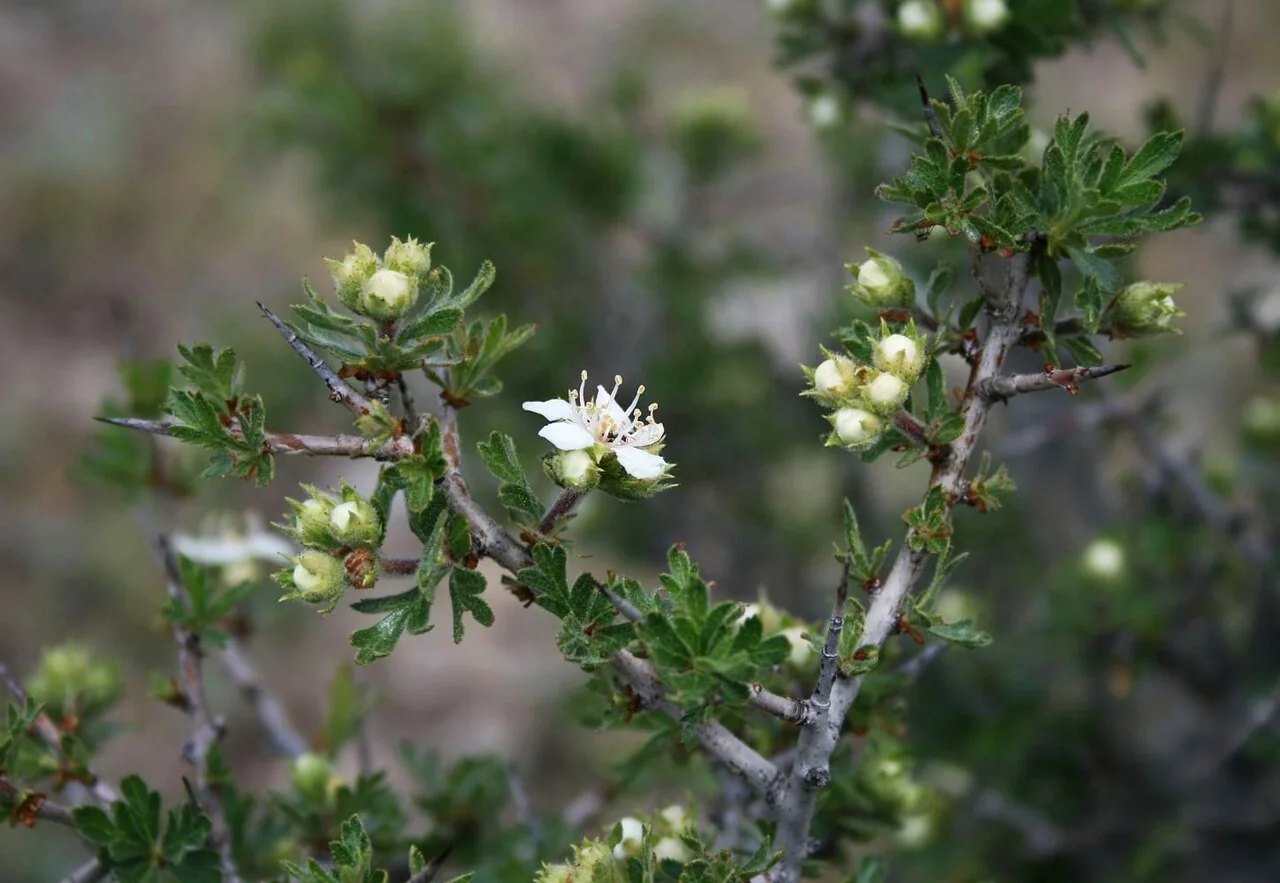
Flowers of Crataegus tanacetifolia.
Franz Xaver / Wikimedia Commons / CC BY-SA 3.0

Photo details
Resized and converted to WebP. No content edits.
Source: File:Crataegus tanacetifolia 2.jpg
Reviewed . Source identification, photograph and license reviewed. The image illustrates the named plant; it does not verify dimensions or other plant traits.
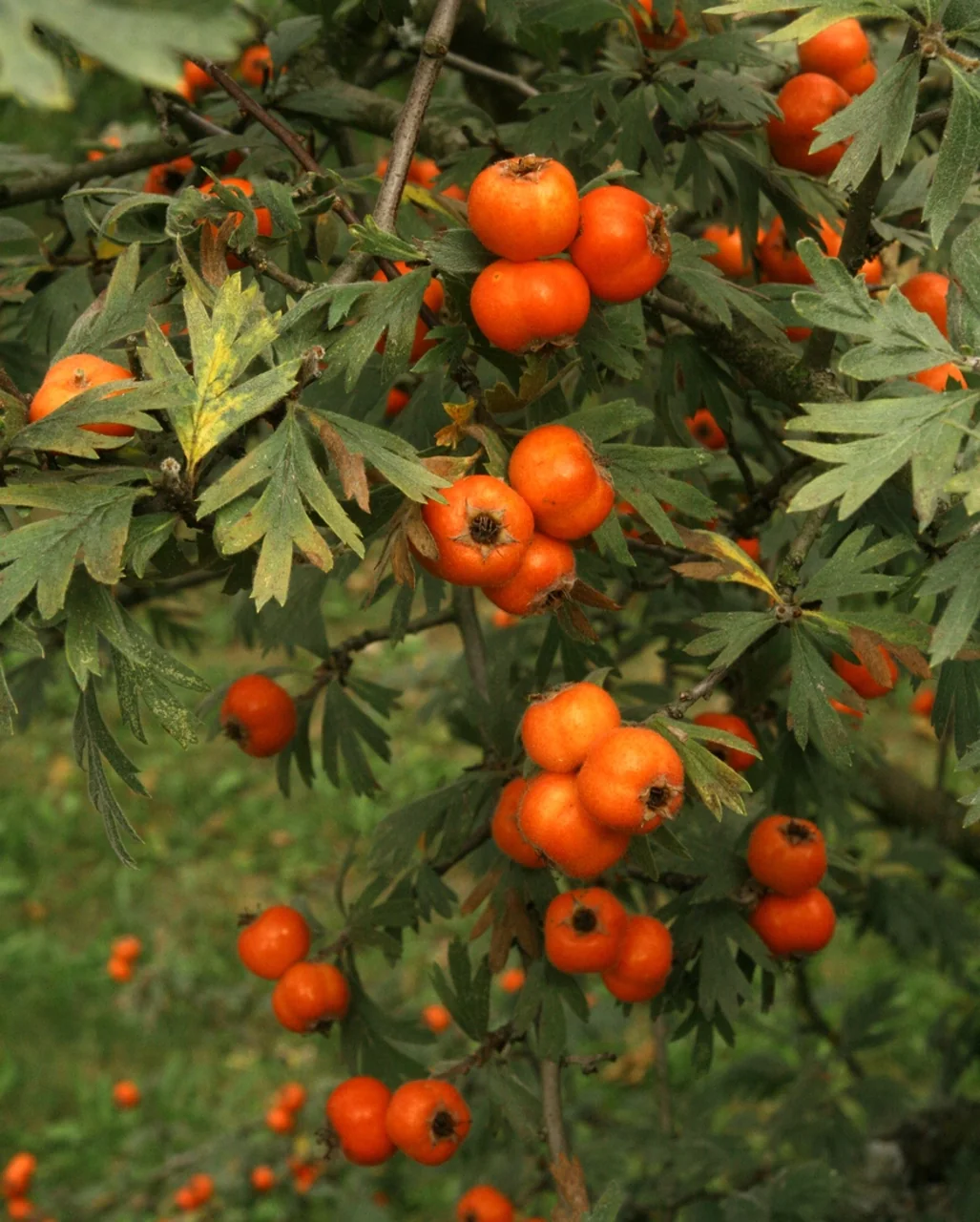
Fruit of Crataegus tanacetifolia.
Vojtěch Zavadil / Wikimedia Commons / CC BY-SA 4.0

Photo details
Resized and converted to WebP. No content edits.
Source: File:6998-Crataegus tanacetifolia-DZ-09.15.JPG
Reviewed . Source identification, photograph and license reviewed. The image illustrates the named plant; it does not verify dimensions or other plant traits.
Common names
6 names · 5 languages- EnglishYour language
-
- Tansy-Leaved Thorn
Other languages (4)
- Dutch
-
- Grijsbladige meidoorn
- French
-
- Aubépine à feuilles de tanaisie
- Slovak
-
- hloh vratičolistý[1]
Sources & name notes (1)
Names recorded in our plant catalogue and botanical sources, grouped by language. Usage can vary by region.
Numbered references identify names recorded by an external source. Other names are from our plant catalogue.
Community-curated iNaturalist taxonomy; common-name attestation, not an independent botanical determination.
Source records
- hloh vratičolistý — results[1].names[1]; taxon id 1437512; Crataegus tanacetifolia.
- Sarı Alıç — results[1].names[2]; taxon id 1437512; Crataegus tanacetifolia.
- Kotan Alıcı — results[1].names[3]; taxon id 1437512; Crataegus tanacetifolia.
General information
Accepted in the cited Kew taxonomic treatment.
Sources [1]Plant characteristics
Growing conditions
Moist, Well-drained, Wet
Sand (light) Loam (medium) Clay (heavy)
Acidic Neutral Alkaline
Partial shade, Full sun
Uses
Fruit
Wood, Fragrant
Description
Fruit - edible in raw form or cooked. This fruit has a good size with a soft, juicy texture and a sour-sweet, apple-like flavor when fully ripe. It is very suitable for consumption. Additionally, the fruit can be used to make pies, jams, and can be dried for later use. The fruit has a diameter of about 25 mm and contains up to five fairly large seeds in the center. These seeds are often clustered together, resembling the experience of eating a cherry-like fruit with a single pit.
Harvest
Sources and references
References for the information marked with source numbers on this page.
-
Royal Botanic Gardens, Kew
World Checklist of Vascular Plants, version 16, extracted 4 June 2026
Relevant sections
- Botanical family: WCVP v16, wcvp_names.csv row 840805; name ID 2944742; Crataegus L.. Family column.
- Taxonomy: WCVP v16, wcvp_names.csv row 296362; name ID 2947404; Crataegus tanacetifolia (Poir.) Pers..
Source checked on .
Source data licence: CC BY 3.0.