Crataegus pennsylvanica
Pennsylvanian Hawthorn
Explore the size, hardiness, soil, light, edible uses and harvest period of Crataegus pennsylvanica.
Plant photos
2 photos · Select to enlarge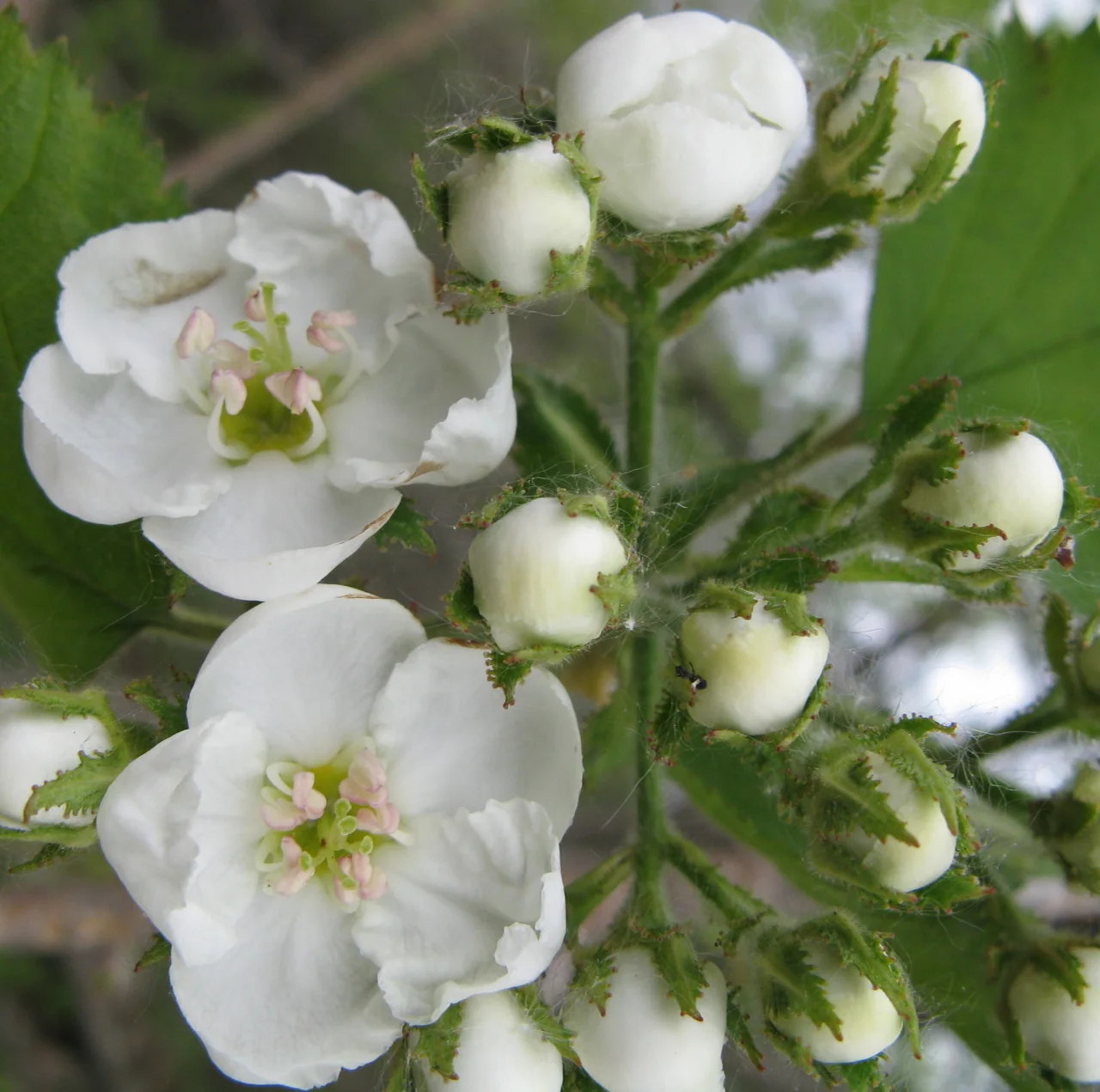
Flowers of Crataegus pennsylvanica.
Nadiatalent / Wikimedia Commons / CC BY-SA 4.0

Photo details
Resized and converted to WebP. No content edits.
Source: File:Crataegus pennsylvanica flowers.jpg
Reviewed . Source identification, photograph and license reviewed. The image illustrates the named plant; it does not verify dimensions or other plant traits.
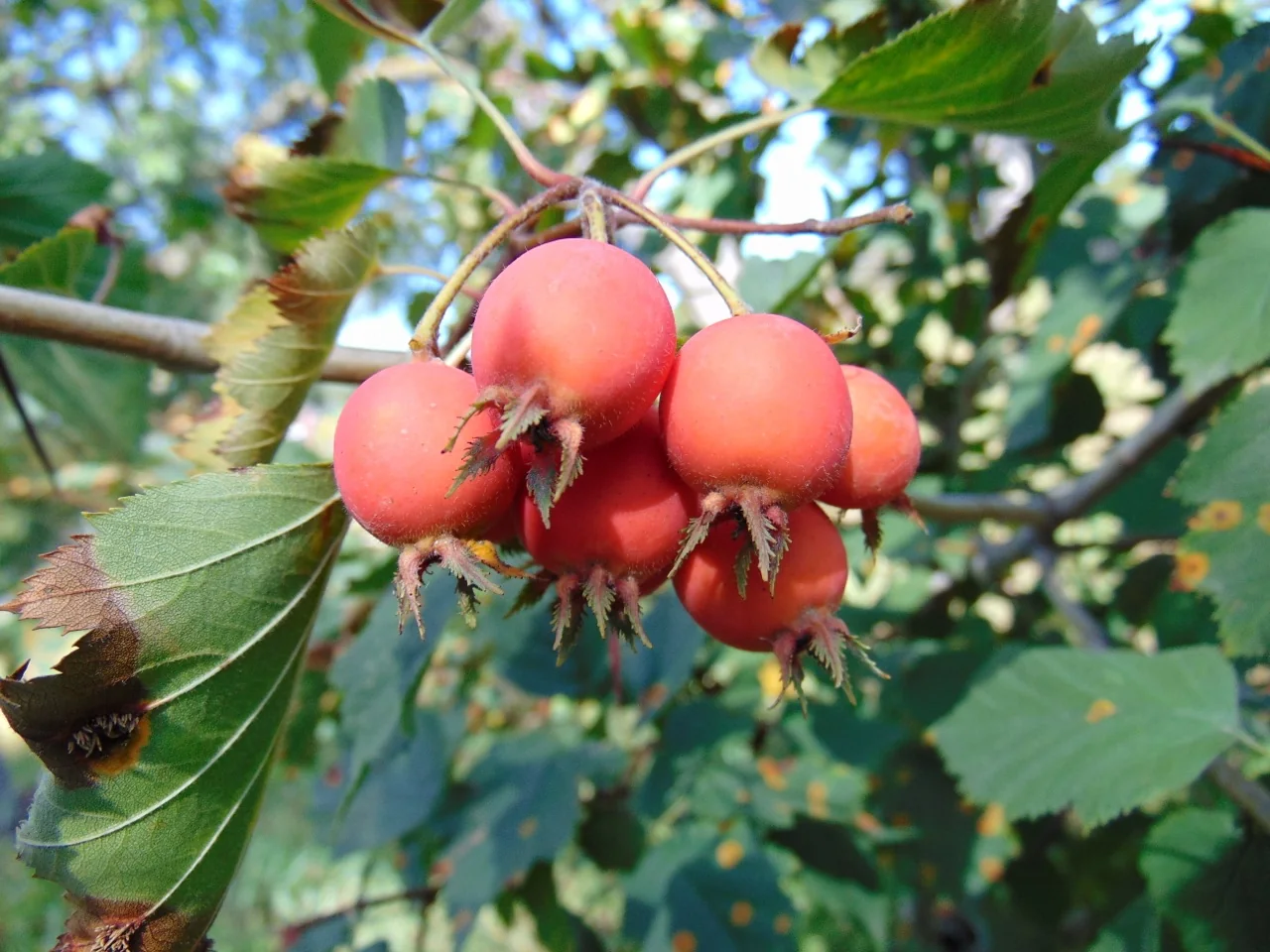
Fruit of Crataegus pennsylvanica.
Nadiatalent / Wikimedia Commons / CC BY-SA 4.0

Photo details
Resized and converted to WebP. No content edits.
Source: File:Crataegus pennsylvanica fruit.jpg
Reviewed . Source identification, photograph and license reviewed. The image illustrates the named plant; it does not verify dimensions or other plant traits.
Common names
6 names · 5 languagesOther languages (4)
Sources & name notes (2)
Names recorded in our plant catalogue and botanical sources, grouped by language. Usage can vary by region.
Numbered references identify names recorded by an external source. Other names are from our plant catalogue.
Common names from World Plants, version 26.05, reproduced in Catalogue of Life 2026-08-20. License: CC BY.
Source records
- Pennsylvania hawthorn (EN) — VernacularName.tsv, line 171978; taxon 6BB72.
Community-curated iNaturalist taxonomy; common-name attestation, not an independent botanical determination.
Source records
- Pennsylvania Hawthorn — results[0].names[1]; taxon id 161063; Crataegus pennsylvanica.
- pensilvaania viirpuu — results[0].names[2]; taxon id 161063; Crataegus pennsylvanica.
- 宾州山楂 — results[0].names[3]; taxon id 161063; Crataegus pennsylvanica.
General information
Plant characteristics
Growing conditions
Moist, Wet
Sand (light) Loam (medium) Clay (heavy)
Acidic Neutral Alkaline
Partial shade, Full sun
Uses
Fruit
Wood
Description
Fruit - fresh or cooked. With a diameter of up to 25 mm, this is a very tasty fruit, with a delightful semi-sweet flavor, even when it is not fully ripe. It can be eaten as a dessert and can also be made into jelly or dried for later use. The fruits grow in clusters of 4-12 and are easy to harvest. Each fruit contains up to five fairly large seeds, which often stay together, making it seem like enjoying a cherry-like fruit with a single pit.
Harvest
Sources and references
References for the information marked with source numbers on this page.
-
Royal Botanic Gardens, Kew
World Checklist of Vascular Plants, version 16, extracted 4 June 2026
Relevant sections
- Botanical family: WCVP v16, wcvp_names.csv row 840805; name ID 2944742; Crataegus L.. Family column.
- Taxonomy: WCVP v16, wcvp_names.csv row 1436776; name ID 2946804; Crataegus pennsylvanica Ashe.
Source checked on .
Source data licence: CC BY 3.0.
-
Catalogue of Life
Catalogue of Life 2026-08-20 — Crataegus pennsylvanica
Taxonomic data from World Plants, version 26.05, reproduced in Catalogue of Life 2026-08-20.
Supports: TaxonomyRelevant sections
- Taxonomy: COL 2026-08-20, NameUsage.tsv line 2036164, ID 6BB72: Crataegus pennsylvanica Ashe (accepted).
Source checked on .