Atriplex halimus
Sea Orach, Saltbush
Explore the size, hardiness, soil, light, edible uses and harvest period of Atriplex halimus.
Plant photos
2 photos · Select to enlarge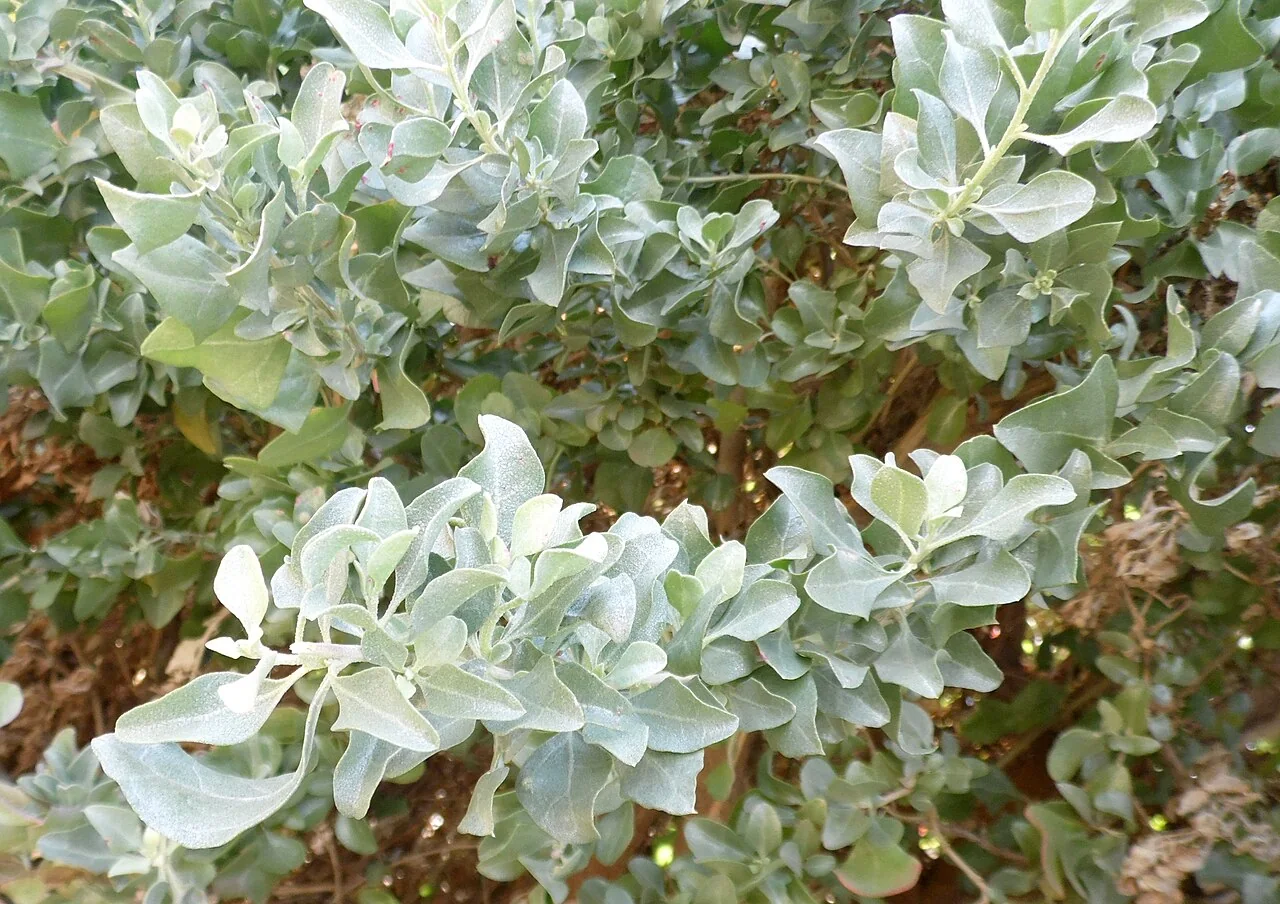
Leaves of Atriplex halimus.
Krzysztof Ziarnek, Kenraiz / Wikimedia Commons / CC BY-SA 3.0

Photo details
Resized and converted to WebP. No content edits.
Source: File:Atriplex halimus kz1.JPG
Reviewed . Source identification, photograph and license reviewed. The image illustrates the named plant; it does not verify dimensions or other plant traits.
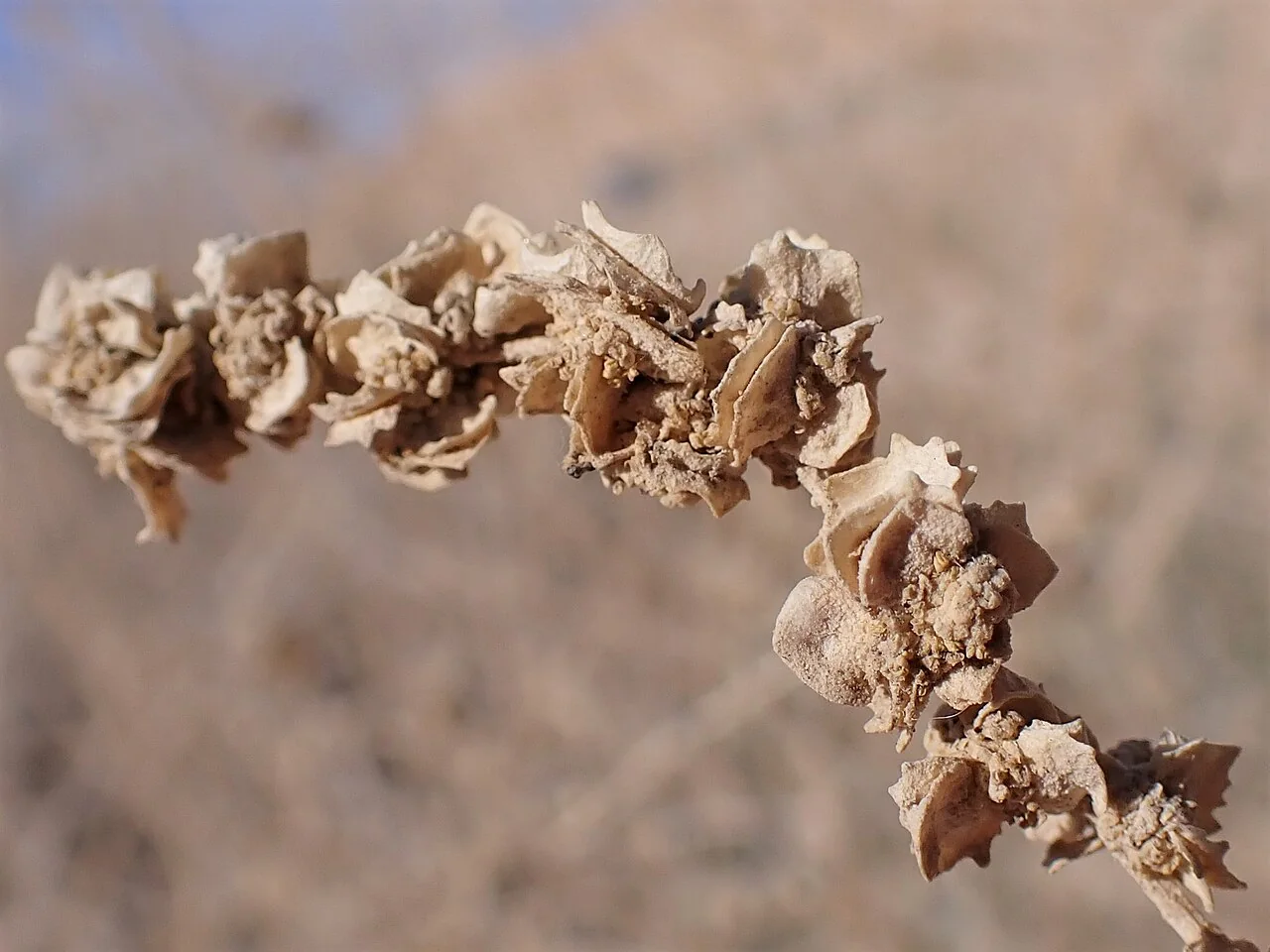
Dry fruiting structures of Atriplex halimus.
Krzysztof Ziarnek, Kenraiz / Wikimedia Commons / CC BY-SA 4.0

Photo details
Resized and converted to WebP. No content edits.
Source: File:Atriplex halimus kz04.jpg
Reviewed . Source identification, photograph and license reviewed. The image illustrates the named plant; it does not verify dimensions or other plant traits.
Common names
26 names · 17 languagesOther languages (16)
- Dutch
-
- Struikmelde[1]
- Zeemelde
- Zoutmelde
+1 more nameShow fewer names
- Zoutstruik
- Arabic
-
- رغل ملحي[1]
- Catalan
-
- Salat blanc[1]
- Chinese (Simplified)
-
- 海滨藜[1]
- Czech
-
- lebeda slanomilná[1]
- Finnish
-
- risumaltsa[1]
- German
-
- Strauch-Melde[1]
- Greek
-
- Αλιμιά[1]
- Hebrew
-
- מלוח קיפח[1]
- Italian
-
- Atriplice alimo[1]
- Lithuanian
-
- Sultingoji balandūnė[1]
- Portuguese
-
- Salgadeira[1]
- Russian
-
- Лебеда алимская[1]
- Slovak
-
- loboda slanomilná[1]
- Turkish
-
- Akdeniz Tuzlu Çalısı[1]
Sources & name notes (1)
Names recorded in our plant catalogue and botanical sources, grouped by language. Usage can vary by region.
Numbered references identify names recorded by an external source. Other names are from our plant catalogue.
Community-curated iNaturalist taxonomy; common-name attestation, not an independent botanical determination.
Source records
- Mediterranean Saltbush — results[0].names[1]; taxon id 82671; Atriplex halimus.
- Shrubby Orache — results[0].names[2]; taxon id 82671; Atriplex halimus.
- Sea Orache — results[0].names[3]; taxon id 82671; Atriplex halimus.
- Arroche halime — results[0].names[4]; taxon id 82671; Atriplex halimus.
- Pourpier de mer — results[0].names[5]; taxon id 82671; Atriplex halimus.
- Arroche marine — results[0].names[6]; taxon id 82671; Atriplex halimus.
- מלוח קיפח — results[0].names[7]; taxon id 82671; Atriplex halimus.
- Struikmelde — results[0].names[8]; taxon id 82671; Atriplex halimus.
- lebeda slanomilná — results[0].names[9]; taxon id 82671; Atriplex halimus.
- رغل ملحي — results[0].names[10]; taxon id 82671; Atriplex halimus.
- Salat blanc — results[0].names[11]; taxon id 82671; Atriplex halimus.
- Salgadeira — results[0].names[12]; taxon id 82671; Atriplex halimus.
- 海滨藜 — results[0].names[13]; taxon id 82671; Atriplex halimus.
- Лебеда алимская — results[0].names[14]; taxon id 82671; Atriplex halimus.
- Sultingoji balandūnė — results[0].names[15]; taxon id 82671; Atriplex halimus.
- Αλιμιά — results[0].names[16]; taxon id 82671; Atriplex halimus.
- Atriplice alimo — results[0].names[17]; taxon id 82671; Atriplex halimus.
- risumaltsa — results[0].names[18]; taxon id 82671; Atriplex halimus.
- loboda slanomilná — results[0].names[19]; taxon id 82671; Atriplex halimus.
- Strauch-Melde — results[0].names[20]; taxon id 82671; Atriplex halimus.
- Akdeniz Tuzlu Çalısı — results[0].names[21]; taxon id 82671; Atriplex halimus.
General information
Accepted in the cited Kew taxonomic treatment.
Sources [1]Kew's family placement for the genus Atriplex (WCVP v16).
Sources [1]Plant characteristics
Growing conditions
Well-drained, Moist
Sand (light) Loam (medium)
Acidic Neutral Alkaline
Full sun
Uses
Leaves, Seed, Manna
Hedge
Description
Leaves can be eaten both raw and cooked. Some varieties are consumed raw, but they are certainly not only intended for famine situations; on the contrary, they are among the popular crops currently being cultivated. The leaves have a pleasant salty taste and can be added to salads or cooked like spinach. When lightly steamed, they retain their crunchiness and serve as a delicious substitute for spinach. Even when grown in non-salty soils, the leaves maintain their briny flavor. They are usable year-round, but when harvesting in winter, one must consider that the plant grows less during that time. The seeds can be cooked and ground into flour to be used as a thickening agent in soups or mixed with grains to make bread. Although the seeds are small and tricky to handle, they are a valuable addition.
Harvest
Sources and references
References for the information marked with source numbers on this page.
-
Royal Botanic Gardens, Kew
World Checklist of Vascular Plants, version 16, extracted 4 June 2026
Relevant sections
- Botanical family: WCVP v16, wcvp_names.csv row 1321445; name ID 2664993; Atriplex L.. Family column.
- Taxonomy: WCVP v16, wcvp_names.csv row 1322162; name ID 2665336; Atriplex halimus L..
Source checked on .
Source data licence: CC BY 3.0.